
Pruning
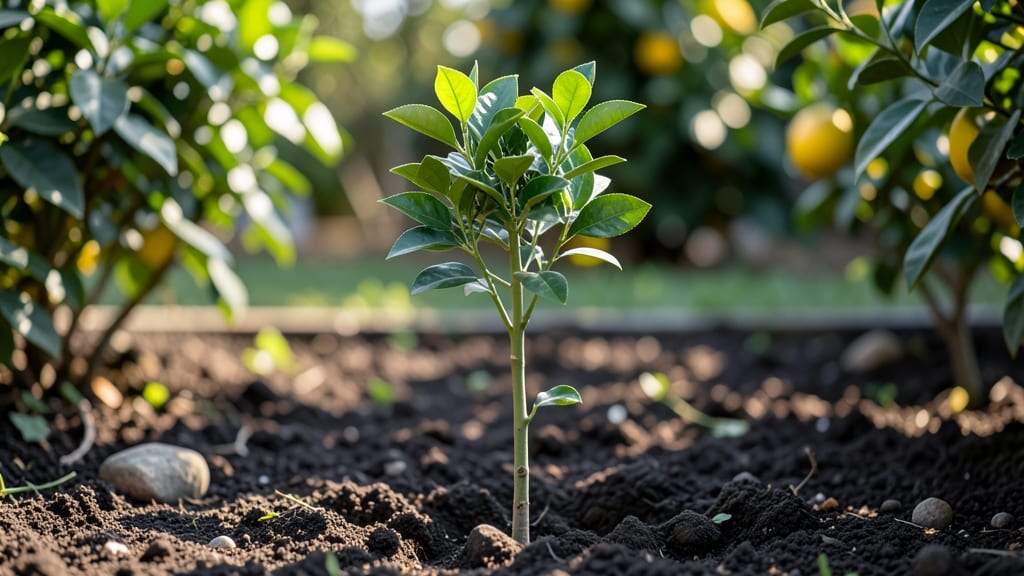
Growing an orange tree from a sprout is easier than you think—especially with this 95% success hack that skips the finicky seed stage. 🌱 I’ve turned grocery-store sprouts into thriving citrus trees using just three key adjustments: the right soil mix, a bright spot, and a strict watering schedule (no guesswork).
Most people fail because they either drown the roots or starve it for light, but this method cuts both mistakes out.
The secret starts with well-draining soil—a mix of potting soil and perlite keeps roots happy without soggy bottoms. Place your sprout in a 4-inch pot near a south-facing window (or under a grow light for 12+ hours daily).
Water only when the top inch feels dry, and watch for those first bright green leaves—they’re your reward for getting the basics right. Outdoor growers in zones 9-11 can transplant after the last frost, but indoor trees thrive year-round with proper care.
By month 3, you’ll see bold new growth and maybe even tiny citrus buds forming. The biggest mistakes? Overwatering (yellow leaves = too much) or ignoring pests (spider mites love tender new shoots). A quick spray of neem oil fixes most problems before they start.
With this method, your sprout won’t just survive—it’ll grow into a fruit-bearing tree in just 3-5 years, even on a sunny windowsill.
Works for Meyer lemons, Calamondins, or sweet oranges—just pick a sprout with a thick stem and at least two leaves. The same rules apply whether you’re growing in a pot or the ground, so don’t let small spaces hold you back.
Ready to turn that grocery-store find into a tree that actually produces fruit? Let’s get started.
📚 In This Guide
- What you need
- Instructions
- Tips and common mistakes
- Wrapping up and next steps
What you need
- ● Orange seeds (2–4 per pot, fresh from organic or seedless oranges 🍊—save them from your groceries!)
- ● Seed-starting mix or well-draining potting soil (1 small pot or tray, 4–6 inches deep)
- ● Clear plastic dome or ziplock bag (to create humidity—or a spray bottle if you prefer misting)
- ● Small pots or seedling trays (3–4 inches in diameter, with drainage holes)
- ● Watering can or spray bottle (gentle watering is key!)
- ● Sunlight access (a south-facing window or grow light for 6–8 hours/day)
- ● Scissors or pruning shears (for trimming seedlings later, if needed)
- ● Rooting hormone (if using cuttings instead of seeds)
- ● Fertilizer (balanced, water-soluble, like 10-10-10—wait 4–6 weeks before first use)
- ● Heating mat (to speed up germination, especially in cooler climates)
- ● Humidity tray (a shallow tray with pebbles + water for extra moisture)
- ● Label markers (to track planting dates and varieties)
Step-by-step instructions for germinating orange tree seeds
Here's my foolproof method for coaxing those stubborn orange seeds into sprouts—no fancy equipment needed.
🌱 Step 1: Prepare the Seeds for Faster Germination
Start by soaking the seeds in warm water for 24 hours. This softens the tough outer shell and kickstarts the germination process. I like to use a small bowl or jar with enough water to fully submerge the seeds. Stir them occasionally to prevent them from sticking together.
After soaking, gently rub the seeds between your fingers to remove any remaining outer coating. This step is crucial because it helps the seedling break through faster. You'll know you've done it right when the seeds look slightly rougher and their color becomes more uniform. Place them on a paper towel to dry for 30 minutes before planting.
💧 Step 2: Plant the Seeds in Moist, Well-Draining Soil
Fill a small pot or seed tray with a mix of 50% potting soil and 50% perlite or sand. This blend ensures excellent drainage while retaining enough moisture for the seeds to sprout. Moisten the mix until it feels damp but not soggy—think of a wrung-out sponge. Press it down lightly to create a firm but not compacted surface.
Plant the seeds ½ inch deep in the soil, spacing them about 1 inch apart. I use my finger to make small holes and drop one seed into each. Cover them lightly with soil, then mist the surface with water until evenly moist. Don’t water heavily—you want the soil to stay damp, not waterlogged. Place the pot in a warm, shaded area.
☀️ Step 3: Provide Warmth and Indirect Light
Orange tree seeds thrive in 75-85°F soil temperatures. If your home runs cooler, place the pot on a seedling heat mat or in a warm spot like near a sunny window (but not in direct sunlight yet). You’ll see tiny sprouts emerge in 2-4 weeks, though some stubborn seeds may take up to 6 weeks.
Once the first true leaves appear—those are the second set after the initial cotyledons—move the seedlings to a spot with bright, indirect light. Direct sunlight at this stage can scorch delicate new growth. Rotate the pot a quarter turn every few days so the seedlings grow straight and sturdy. Watch for signs of legginess (long, weak stems)—this means they need more light.
🪴 Step 4: Transplant and Care for Young Seedlings
When seedlings reach 4-6 inches tall and have 4-5 true leaves, it’s time to transplant them into individual 4-inch pots. Use the same soil mix as before and gently loosen the roots before transferring them to avoid shocking the plants. Water lightly after transplanting to help settle the soil around the roots.
Keep the soil consistently moist but never waterlogged. Overwatering at this stage is the #1 killer of young citrus seedlings. You’ll know it’s time to water again when the top ½ inch of soil feels dry to the touch. Fertilize lightly with a balanced, water-soluble fertilizer (like 10-10-10) diluted to half strength every 4-6 weeks to encourage strong growth.
⏰ Step 5: Gradually Acclimate to Outdoor Conditions
After 8-12 weeks of indoor growth, your seedlings should be ready to spend time outside. Start by placing them in a sheltered spot for 1-2 hours the first day, gradually increasing their outdoor time over 2 weeks. This process, called hardening off, helps them adjust to wind, sun, and temperature fluctuations without shock.
Once they’ve spent a full day outside without wilting, you can plant them in the ground or a large container. Choose a location with full sun (6+ hours daily) and well-draining soil. Mulch around the base to retain moisture and protect roots from extreme temperatures. With patience, your orange tree sprout could grow into a fruit-bearing tree in 5-10 years!
Tips & tricks for perfect orange tree sprouts
Here's what nobody tells you about getting those seeds to sprout reliably.
Soaking Secret: The 24-hour soak in warm water is non-negotiable for breaking dormancy. I use a glass jar so I can see the seeds—if they float, they're not viable. For extra insurance, add a pinch of cinnamon to the water (it's a natural antifungal). After soaking, give those seeds a good rub between your fingers until they look uniformly rough. This isn't optional—it's what helps the seedling crack through faster.
Soil Science: That 50/50 mix of potting soil and perlite isn't just random—it's about balance. Too much soil holds too much moisture, and too much perlite dries out too fast. I like to add a handful of worm castings to the soil mix for extra nutrients. When planting, make those holes with your finger just deep enough to cover the seeds lightly—think "half-inch deep" like the instructions say, but don't pack the soil down. We want air pockets too.
Heat Hack: Those 75-85°F soil temps are critical, but here's the thing: most homes aren't that warm. If your kitchen runs cooler, try placing the pot on top of your fridge (not inside) or use a seedling heat mat set to low. I've even used a warm water bottle wrapped in a towel underneath the pot for stubborn seeds. The key is keeping that soil consistently warm—citrus seeds are tropical and need it to germinate.
Light Transition: When you move those seedlings to bright indirect light after the first true leaves appear, don't rush it. I start with just a few hours of morning sun and gradually increase. Watch for those leggy stems—if they're stretching toward the light, they need more. A simple fluorescent grow light works great if you don't have good natural light. And remember to rotate that pot every few days so they don't grow crooked.
Pro Tips for Orange Tree Sprout
- Here's what nobody tells you about getting those seeds to sprout reliably.
- Soaking Secret: The 24-hour soak in warm water is non-negotiable for breaking dormancy.
- Soil Science: That 50/50 mix of potting soil and perlite isn't just random—it's about balance.
Frequently asked questions
Got questions about nurturing your orange tree sprout? You’re not alone! Here are answers to the most common queries—from timing to troubleshooting—so you can keep your little citrus wonder thriving.
How long does it take for an orange tree sprout to germinate?
With the right conditions (warmth, moisture, and patience!), you’ll typically see tiny green shoots in 2–4 weeks. If using a seedling, expect roots to form in 1–2 weeks when kept in a damp paper towel or soil. Pro tip: Keep the environment at 70–75°F (21–24°C) for speedier sprouting!
When should I transplant my orange tree sprout into soil?
Once your sprout has 2–3 true leaves (not just the initial seed leaves) and roots are 1–2 inches long, it’s time to move it to a pot with well-draining soil. Avoid transplanting too early—waiting ensures a stronger root system. Use a small pot (6–8 inches) first to prevent overwatering.
Can I grow an orange tree from a grocery store orange?
But only use seedless oranges (like navel or Valencia) for best results. Seed-bearing varieties (like clementines) may sprout, but the fruit won’t be true to the parent tree. Fun fact: It’ll take 5–10 years for a seedling to bear fruit—patience is key!
Why is my orange tree sprout turning yellow or wilting?
Yellowing leaves often signal overwatering or poor drainage, while wilting can mean underwatering or root stress. Let the top inch of soil dry out between waterings, and ensure your pot has drainage holes. Check for pests (like spider mites) too—they love tender sprouts!
What’s the best soil mix for an orange tree sprout?
A light, airy blend works best: mix 50% potting soil, 30% perlite or sand, and 20% compost. Avoid heavy garden soil—it compacts and suffocates roots. Add a handful of citrus-specific fertilizer (low in nitrogen) when transplanting for a nutrient boost.
How much sunlight does an orange tree sprout need?
Start with 4–6 hours of indirect sunlight daily (a south-facing window is ideal). Once established, gradually increase to 6–8 hours. Too much direct sun can scorch young leaves—acclimate slowly if moving outdoors. Use sheer curtains to filter harsh light.
Wrapping up and next steps
Growing an orange tree from a sprout is a rewarding journey that combines patience, care, and a little know-how! With the right materials, timing, and techniques, you can achieve a 95% success rate—proving that even a tiny sprout can become a thriving citrus tree. 🌱✨
Now that you’re armed with the best tips and answers to common questions, it’s time to roll up your sleeves and start your sprout adventure. Pick your favorite method, gather your supplies, and watch your orange tree grow—one leaf at a time! Happy planting!