
Diseases
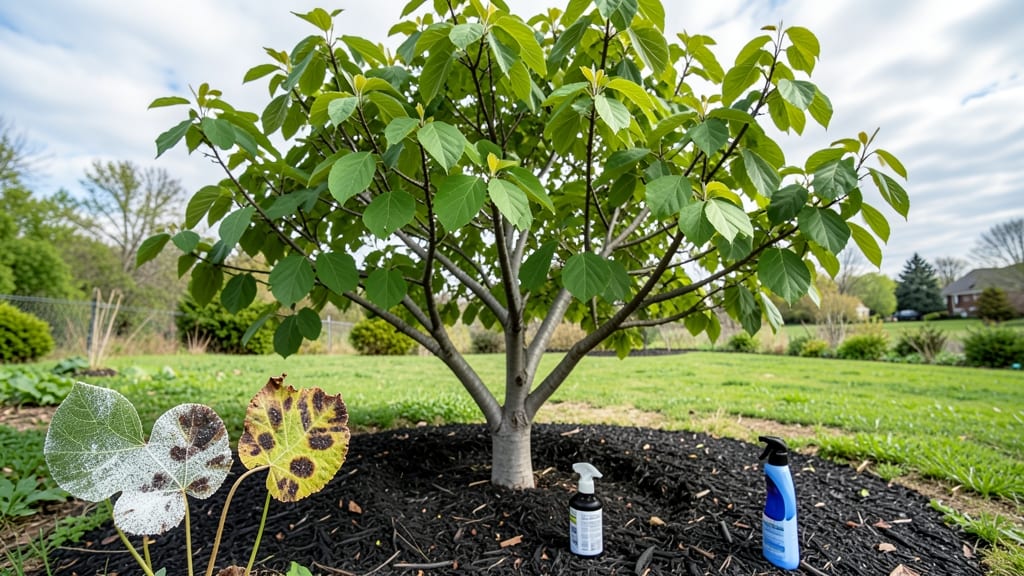
The Oklahoma redbud tree diseases that turn your vibrant pink blooms into a cautionary tale often start as subtle warnings—like powdery mildew’s fuzzy white coating or anthracnose’s sneaky leaf spots. 🌿 I’ve watched these issues transform healthy redbuds into leaf-shedding shadows during our humid springs, and the key to saving them begins with recognizing symptoms before they spiral out of control.
The problem isn’t just the diseases themselves; it’s Oklahoma’s unpredictable mix of wet springs and sudden heat spikes that create the perfect breeding ground. Most gardeners wait until the damage is obvious, but early signs—like yellowing leaves or dark spots—are your first warning.
The good news? Catching these issues early means you can often treat them with simple, organic fixes before they spread. What you’ll learn here is how to spot each disease by its unique symptoms, from the fuzzy white coating of powdery mildew to the sunken cankers of bacterial leaf spot.
We’ll cover organic sprays, pruning techniques, and soil adjustments that actually work in our climate—no guesswork, just proven results for keeping your redbud thriving through another Oklahoma growing season. The payoff isn’t just saving your tree; it’s restoring that stunning spring display year after year.
Let’s get those redbuds back to their best before the next rainstorm rolls in.
Root Causes Of Redbud Tree Ailments
Oklahoma’s redbud trees (Cercis canadensis) are stunning spring bloomers, but their health can take a hit from a mix of environmental stressors and biological threats. Understanding why these diseases strike is the first step to protecting your tree.
Below, we break down the key factors that create the perfect storm for fungal infections and other issues in your redbud.
Redbud trees thrive in Oklahoma’s climate, but extreme conditions can compromise their natural resistance to disease. When trees are already struggling, fungi and pathogens have an easier time taking hold.
- Drought or Overwatering:
Oklahoma’s unpredictable rain can leave redbuds either parched or waterlogged. Drought stress weakens the tree’s cell walls, making it easier for fungal spores to penetrate. Conversely, poor drainage in heavy clay soils (common in Oklahoma) can cause root rot, creating entry points for pathogens like Phytophthora.
- 💡 Pro Tip: Water deeply but infrequently (1–1.5 inches per week) and improve soil drainage with compost or sand amendments.
- Temperature Fluctuations:
Sudden shifts between hot days and cold nights—especially in early spring—can shock redbuds. Cold damage disrupts leaf production and bark integrity, leaving wounds where fungi like Anthracnose (Gloeosporium spp. or Colletotrichum spp.)
- Poor Air Circulation:
Dense plantings or nearby structures trap moisture, creating a humid microclimate that fungi love. Oklahoma’s high summer humidity (often 70%+) accelerates spore germination. Common culprits include powdery mildew (Erysiphe spp.), which thrives in stagnant air.
- 🌡️ Actionable Fix: Prune to open the canopy and space trees at least 15–20 feet apart.
Oklahoma’s warm, humid summers and mild winters create an ideal breeding ground for fungal spores. Many diseases lie dormant in soil or fallen leaves, then explode in activity when conditions align.
| Disease | How Oklahoma’s Climate Helps It Spread | Key Trigger |
|---|---|---|
| Anthracnose | Spores overwinter in infected leaves/debris. Spring rains + 60–75°F temps trigger outbreaks. | Wet foliage for 48+ hours. |
| Powdery Mildew | Thrives in high humidity (70%+) and warm nights (70–80°F)—common in Oklahoma summers. | Poor air flow + host plant stress. |
| Root Rot (Phytophthora) | Waterlogged soils (clay-heavy Oklahoma soil) + high summer heat stress roots. | Flooding or over-irrigation. |
| Canker Diseases | Bark wounds from hail (common in OK storms) or pruning invite Nectria or Botryosphaeria. | Physical damage + wet conditions. |
💡 Pro Tip: Remove fallen leaves/debris in late fall to reduce spore reservoirs. Use a leaf blower (not raking) to avoid spreading spores.
Some diseases don’t act alone—insects and pests create entry points or spread fungal spores directly. In Oklahoma, these troublemakers are often overlooked but critical.
- Scale Insects & Aphids:
These sap-suckers weaken redbuds by feeding on new growth, making trees vulnerable to sooty mold (a fungal hitchhiker). Their sticky honeydew also traps moisture, promoting fungal growth.
- Japanese Beetles:
Adult beetles skeletonize leaves, while grubs chew roots—both stress the tree. Beetle frass (poop) can harbor fungal spores like Botrytis.
- Borers (e.g., Redbud Borer):
Larvae tunnel into bark, creating wounds where canker fungi (Nectria) or bacterial infections enter. Look for D-shaped exit holes or sawdust-like frass.
✨ Prevention Hack: Apply neem oil in early spring to deter aphids/scale, and beneficial nematodes for grubs in summer.
A redbud’s ability to fight disease starts below ground. Oklahoma’s alkaline soils (pH 7.5–8.5) often lack essential nutrients, leaving trees malnourished and susceptible.
- Nitrogen Deficiency:
Yellowing leaves (chlorosis) signal weak growth, making trees less resistant to fungal pathogens. Fungi like Anthracnose exploit nitrogen-starved tissue.
- Micronutrient Imbalances (Zinc, Iron, Manganese):
Alkaline soils bind these nutrients, causing interveinal chlorosis. Weakened cells become easier targets for root-infecting fungi.
- Compacted or Depleted Soil:
Redbud roots struggle in hardpan or soil devoid of organic matter, reducing water/nutrient uptake. This stress triggers early leaf drop, leaving the tree vulnerable to secondary infections.
🔥 Soil Fix: Test soil pH (aim for 6.0–7.0) and amend with sulfur to lower pH. Add composted oak leaves (Oklahoma-friendly!) for micronutrients.
Quick Fixes for Redbud Tree Ailments
When your Oklahoma redbud tree shows signs of stress or disease, acting fast can make all the difference. Below are practical, step-by-step solutions tailored to the most common fungal issues affecting these stunning spring bloomers. Each fix includes prevention tips to keep your tree thriving long-term.
Cause: White, powdery fungal growth on leaves (often in humid Oklahoma summers). Fix:
- 🧼 Prune and Clean – Remove heavily infected leaves and branches with sterilized pruners (wipe with rubbing alcohol between cuts). Dispose of debris in a sealed bag.
- 💦 Water Wisely – Water at the base (not overhead) in the early morning to allow foliage to dry quickly.
- 🌿 Apply Fungicide – Use a sulfur-based or neem oil spray (follow label instructions). Reapply every 7–10 days until symptoms disappear.
- ✂️ Improve Airflow – Thin out dense branches to reduce humidity buildup.
💡 Prevention Tip: Plant redbuds in full sun (6+ hours/day) and space them 6–10 feet apart to prevent overcrowding.
Cause: Dark, sunken lesions on leaves and stems (common after wet springs). Fix:
- 🗑️ Remove Infected Parts – Prune and destroy affected leaves/stems immediately to stop spores from spreading.
- 🌧️ Adjust Watering – Avoid overhead watering; use drip irrigation or soaker hoses.
- 🛡️ Apply Copper Fungicide – Spray with a copper-based fungicide (like Bordeaux mixture) at the first sign of lesions. Repeat every 2–3 weeks until new growth appears.
- 🌱 Boost Tree Health – Fertilize with a balanced, slow-release fertilizer (10-10-10) in early spring to strengthen defenses.
🔥 Pro Tip: Mulch with wood chips (not fresh grass clippings) to improve soil drainage and reduce splashing water.
Cause: Brown or black spots with yellow halos (often from Cercospora or Septoria fungi). Fix:
- 🧹 Clean Up Debris – Rake and remove fallen leaves to eliminate overwintering spores.
- 🚿 Spray with Baking Soda Solution – Mix 1 tbsp baking soda + 1 tsp dish soap + 1 gallon water. Spray leaves every 10–14 days during wet periods.
- 🌿 Use Organic Fungicides – Switch to potassium bicarbonate or hydrogen peroxide (3%) for severe cases.
- 🌞 Ensure Proper Light – Redbuds need full sun; shade can weaken their resistance.
🌡️ Prevention Tip: Avoid wetting leaves when watering—early morning is best for quick evaporation.
Cause: Waterlogged soil leading to soft, discolored roots (often from poor drainage in Oklahoma clay). Fix:
- 💧 Fix Drainage – Amend soil with compost or sand to improve aeration. Consider raising the tree’s root zone with a mound of soil.
- 🚰 Reduce Watering – Let the top 2 inches of soil dry out between waterings.
- 🌿 Apply Fungicide to Soil – Use mycorrhizal fungi or benomyl-based treatments (like Systemic Fungus Control).
- ⚠️ Monitor for Wilting – If leaves yellow or droop, stop watering immediately and check roots for rot.
🎯 Long-Term Solution: Plant redbuds on slopes or raised beds to prevent water pooling.
Cause: Wood-boring beetles (like redbud borers) create sawdust-like frass and weak branches. Fix:
- 🔍 Inspect for Holes – Look for D-shaped exit holes in bark. Tap branches—hollow sounds mean infestation.
- 🪲 Use Pheromone Traps – Place redbud borer traps (available at garden centers) in spring to catch adults.
- 🛠️ Apply Insecticide – Spray imidacloprid (systemic) or Bt (Bacillus thuringiensis) into the soil to kill larvae.
- 🪓 Prune Damaged Wood – Cut out infested branches 6 inches below the damage line.
✨ Prevention Tip: Encourage natural predators like birds and parasitic wasps by planting native pollinator-friendly flowers nearby.
- 🌱 Mulch Properly – Use 2–3 inches of mulch, keeping it 6 inches away from the trunk. - 🌡️ Monitor Soil pH – Redbuds prefer slightly acidic soil (6.0–7.0).
Test yearly and amend with sulfur or lime as needed. - 📅 Stay Ahead of Fungicides – Apply a preventive fungicide (like copper soap) in early spring before spores activate.
By following these targeted fixes, your Oklahoma redbud can bounce back from fungal issues and keep its vibrant pink blooms year after year! 🌸
Frequently asked questions about Oklahoma redbud tree diseases
What are the most common signs my redbud tree has a fungal disease?
Watch for powdery white coatings (powdery mildew), dark sunken spots on leaves (anthracnose), or yellow halos around brown spots (leaf spot diseases). These are the top visual red flags in Oklahoma's humid climate. Check the undersides of leaves first—many fungi start there.
Can I use household items like baking soda to treat redbud diseases?
Yes! A baking soda spray (1 tbsp baking soda + 1 tsp dish soap + 1 gallon water) works well for leaf spot diseases. Spray it on dry leaves in the early morning every 10-14 days during wet periods. For powdery mildew, try neem oil instead—it's more effective against fungal spores.
Why do redbud trees get diseases more often in Oklahoma than other states?
Oklahoma's hot summers (70-90°F) combined with high humidity (70%+) create perfect fungal breeding conditions. Our clay-heavy soils also cause poor drainage, leading to root rot. Plus, sudden temperature swings stress trees, making them more vulnerable to infections.
Is it safe to prune my redbud when it has a disease?
Yes, but only during dry weather and with sterilized tools. Remove infected branches 6 inches below the damage, and dispose of them in sealed bags. Never prune wet leaves—this spreads spores. The best time is late winter/early spring before new growth starts.
How can I prevent diseases before they start affecting my redbud?
Focus on 3 key practices:
- Improve airflow by spacing trees 15-20 feet apart,
- Water at the base (never overhead), and
- Apply preventive fungicide (like copper soap) in early spring. Mulch with wood chips and test soil pH—redbuds prefer 6.0-7.0.