
Pruning
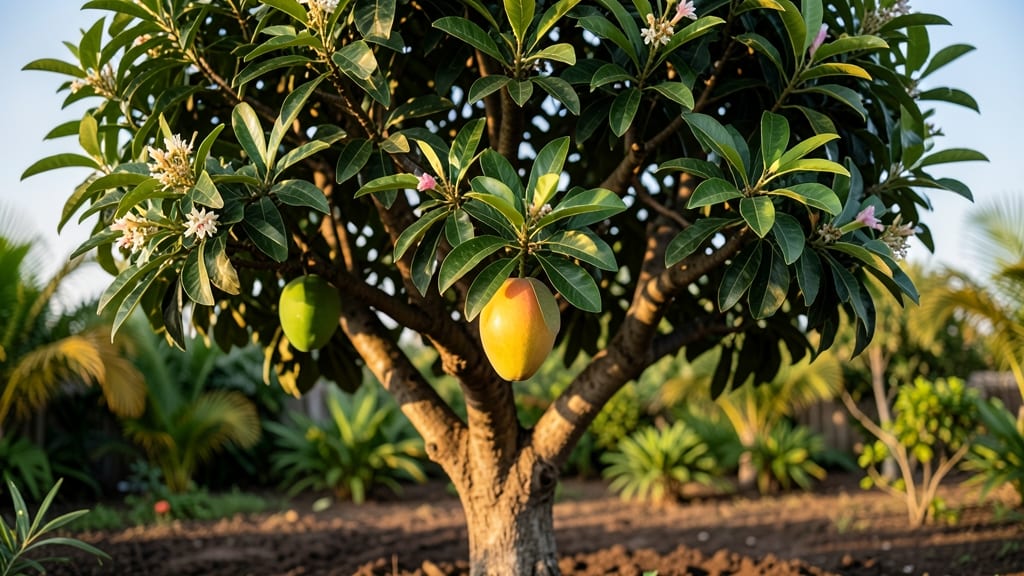
Pruning your mango tree in Cali isn't just about shaping—it's about unlocking that sweet, sun-drenched harvest year after year. 🌿 I learned the hard way that aggressive cuts in summer can shock the tree, while strategic winter pruning opens the canopy to let sunlight kiss every fruit.
The Mediterranean climate here demands a different rhythm than tropical growing regions, and mastering it means fewer empty branches and more golden mangoes by July.
Start with the right tools: sharp pruners, disinfectant, and a ladder—because those high branches won't wait. California's dry season means pruning wounds heal faster, but timing matters: late winter (just before buds swell) is prime for shaping, while light summer trims keep the tree from overheating.
I've seen trees produce 30% more fruit just by removing crossing branches and dead wood in these key windows.
What you'll end up with is a tree that balances beauty and bounty—vibrant green leaves, strong structure, and accessible branches for easy picking. The secret isn't cutting more, but cutting smart: focus on airflow (to prevent fungal spots) and light penetration (for even ripening).
Even in SoCal's mild winters, a well-pruned tree resists stress and delivers consistent harvests for decades.
Works for both container-grown trees and in-ground plantings, whether you're in coastal Santa Barbara or the Central Valley's hotter zones. The same principles apply—just adjust for microclimates. Here's how to make those cuts count without sacrificing next year's crop.
📚 In This Guide
- What you need
- Instructions
- Tips and common mistakes
- Wrapping up and next steps
What you need
- ● Pruning shears: Bypass pruners (sharp, sterilized) for small branches (4”–1” diameter). Pro tip: 💡 Oil blades after use to prevent rust!
- ● Loppers: 1 pair (for branches 1”–2” thick). Look for ratcheting handles for extra leverage.
- ● Pruning saw: 1 handheld saw (for branches >2” thick). Bow saws work best for mango wood.
- ● Disinfectant: 70% isopropyl alcohol or bleach solution (1 part bleach : 9 parts water) to sterilize tools between cuts.
- ● Garden gloves: Heavy-duty, cut-resistant (e.g., Mechanix or Cooperative Extension-recommended).
- ● Rubbing alcohol wipes: For quick tool sterilization mid-pruning.
- ● Sealant: Pruning sealant paste (e.g., Tanglefoot Tree Wound Pruning Seal) to coat cuts >1” in diameter (controversial but some swear by it!).
- ● Ladder: Extendable or sturdy step ladder (6’–10’ height) for tall branches. Safety first! 🔥
- ● Work boots: With ankle support for uneven terrain.
- ● Tree bag: Mesh bag to collect fallen branches/debris.
- ● Sunscreen & hat: Cali sun is no joke—protect yourself!
- ● Knowledge: Basic understanding of mango tree anatomy (e.g., water sprouts vs. scaffold branches). Need a refresher? 🌡️ Check out our pruning guide for beginners!
- ● Weather: Prune on a dry, overcast day (avoid windy or rainy conditions). Early morning is ideal!
- ● Safety gear: Safety glasses (to shield from debris).
Instructions for pruning a mango tree in California’s climate
California’s Mediterranean climate demands a different pruning rhythm than tropical zones—here’s how to shape your mango tree for year-round health and fruit production.
✂️ Step 1: Time Your Cuts to Avoid Spring Frost and Summer Stress
Mangoes in California bloom in late winter, so your pruning window is critical. The best time is late winter to early spring—after the last frost date (typically February to March in most regions) but before the first flush of flowers. You’ll see new growth starting around mid-February in coastal areas, so wait until you’ve passed that window.
If you must prune later, avoid summer months when temperatures exceed 90°F. Heat stress slows recovery, and open wounds attract pests. I like to do a light maintenance trim in early fall (October) to remove dead wood and improve airflow, but never more than 10-15% of the canopy at once.
🌿 Step 2: Identify and Remove Problem Branches First
Start by inspecting for water sprouts—those fast-growing, vertical shoots that steal energy from fruit production. They’re easy to spot: thin, weak, and growing straight up like a flagpole. Cut these back to the main branch collar (the swollen area where the branch meets the trunk) using clean, sharp pruners.
Next, look for crossing branches—where two limbs grow toward each other and rub. These create wounds that invite disease. Remove the smaller of the two, cutting at a 45-degree angle just outside the branch collar. If both branches are equal in size, remove the one that’s growing more upright to maintain an open canopy.
☀️ Step 3: Open the Canopy for Sunlight and Airflow
Mango trees need full sun exposure to ripen fruit properly, so aim to create an open, vase-like shape. Start by thinning out dense interior branches that block light from reaching the center. These are often the older growth—look for limbs that are shaded for most of the day. Remove one-third of these branches, cutting back to a lateral branch or bud.
Watch for suckers—shoots growing from the base of the tree or along the trunk. These compete with the main structure for nutrients. Snip them off at the base with hand pruners or a small saw for thicker growth. If left unchecked, they’ll weaken your tree’s ability to produce quality fruit.
⏰ Step 4: Shape for Fruit Production and Structural Integrity
Mango trees produce fruit on new wood, so focus on encouraging balanced growth. Select 3-5 main scaffold branches (the largest limbs emerging from the trunk) and prune others back to encourage these to thicken. Cut just above a bud facing outward to promote an open, spreading shape.
For horizontal branches, trim the tips to encourage buds lower on the stem to grow into fruiting spurs. You’ll see these as smaller side branches with clusters of leaves. Avoid heavy pruning on these—just lightly tip them to redirect energy into fruit production rather than vertical growth.
🪴 Step 5: Clean Up and Protect Your Tree
After pruning, remove all debris from the area beneath the tree. Leaving cut branches on the ground creates a moist environment where fungi and pests thrive. Dispose of trimmings in a compost bin or green waste container—never leave them piled near the tree.
Seal larger cuts (over ½ inch in diameter) with pruning sealant to prevent disease entry. For smaller cuts, let them heal naturally—mango trees form a callus layer over time, which is stronger than any sealant. Water the tree deeply after pruning to help it recover, but avoid overwatering, which can stress the roots.
Tips & tricks for perfect mango tree pruning in California
California’s unique climate means mango trees need special attention—here’s how to avoid common pitfalls and maximize fruit production.
Timing is Everything: Pay close attention to your local last frost date, which can vary by just a few weeks between coastal and inland regions. If you're unsure, observe your tree: when you see new growth emerging around mid-February, that's your signal to wait. The goal is to prune after frost risk has passed but before flowering begins—this ensures you're not removing potential fruit-bearing branches. In coastal areas, this might mean waiting until late February or early March.
Tool Precision Matters: Using clean, sharp pruners is non-negotiable. Dull tools crush stems instead of making clean cuts, which creates larger wounds that heal poorly. For branches thicker than ½ inch, consider using a pruning saw—it gives you more control and reduces tearing. Always disinfect your tools between cuts with rubbing alcohol to prevent spreading disease between branches.
Canopy Strategy: When thinning dense interior branches in Step 3, focus on creating that open vase shape by removing one-third of the shaded limbs. Look for branches that are growing inward—these are the ones blocking sunlight from reaching the center. The key is to maintain that open structure while preserving at least 3-5 main scaffold branches for structural support and fruit production.
Recovery Care: After your pruning session, the aftercare is just as important as the cuts themselves. That deep watering helps the tree recover, but be mindful not to overwater—California's Mediterranean climate means we want to avoid creating soggy conditions that invite fungal issues. For larger cuts, that pruning sealant creates a protective barrier, but remember it's only necessary for wounds over ½ inch in diameter. Smaller cuts will heal better naturally.
Pro Tips for Mango Tree Cali
- California’s unique climate means mango trees need special attention—here’s how to avoid common pitfalls and maximize fruit production.
- Timing is Everything: Pay close attention to your local last frost date, which can vary by just a few weeks between coastal and inland regions.
- Tool Precision Matters: Using clean, sharp pruners is non-negotiable.
Frequently asked questions
Got questions about keeping your Mango Tree Cali healthy with strategic pruning? Here are some of the most common ones—and their answers!
When is the best time to prune a Mango Tree Cali?
The ideal time to prune your Mangifera indica ‘Cali’ is during its dormant season (late winter or early spring) before new growth begins. However, light pruning for shape or safety can be done year-round—just avoid heavy cuts during flowering or fruiting seasons to protect your harvest.
How do I prune a Mango Tree Cali for better fruit production?
Focus on selective pruning to improve airflow and sunlight penetration. Remove dead, diseased, or crossing branches first, then thin out dense foliage to redirect energy to fruit-bearing branches. Aim to keep the tree’s central leader strong while opening up the canopy. Pro tip: Prune after harvest to encourage new growth for next season!
What should I do if my Mango Tree Cali’s branches are dying after pruning?
If branches turn brown or wilt post-pruning, it could signal stress, disease, or improper cuts. Check for clean cuts (no jagged edges) and ensure you’re not over-pruning. If the damage is severe, apply a fungicide and monitor for pests. Water deeply afterward to help recovery.
Can I grow a Mango Tree Cali in containers, and how does pruning differ?
Yes! Mango Tree Cali thrives in containers if given enough space (minimum 20-gallon pot). Pruning is similar, but root-bound trees need more frequent trimming to control size. Use well-draining soil and repot every 2–3 years. Dwarf varieties are ideal for containers—just ensure they get full sun (6+ hours daily)!
How much should I prune in extreme heat or cold?
In hot climates (like Cali’s!), prune during early morning or late evening to avoid stressing the tree. In cold snaps, wait until temps stabilize—never prune frozen branches. If your tree is struggling, reduce pruning intensity and focus on hydration and shade.
Wrapping up and next steps
Growing a mango tree in Cali is a rewarding journey, and mastering pruning ensures your tree thrives year-round! 🌿 By following strategic cuts—like shaping for airflow, removing dead branches, and encouraging fruit production—you’ll foster a healthier, more productive tree.
Remember, consistency is key, so schedule regular check-ins to keep your mango tree flourishing.
Ready to take the next step? Grab your pruners and schedule your first pruning session—your future harvest will thank you! Whether you’re a seasoned gardener or just starting, every small effort brings your tropical dream closer to reality. 🍈✨