
Pruning
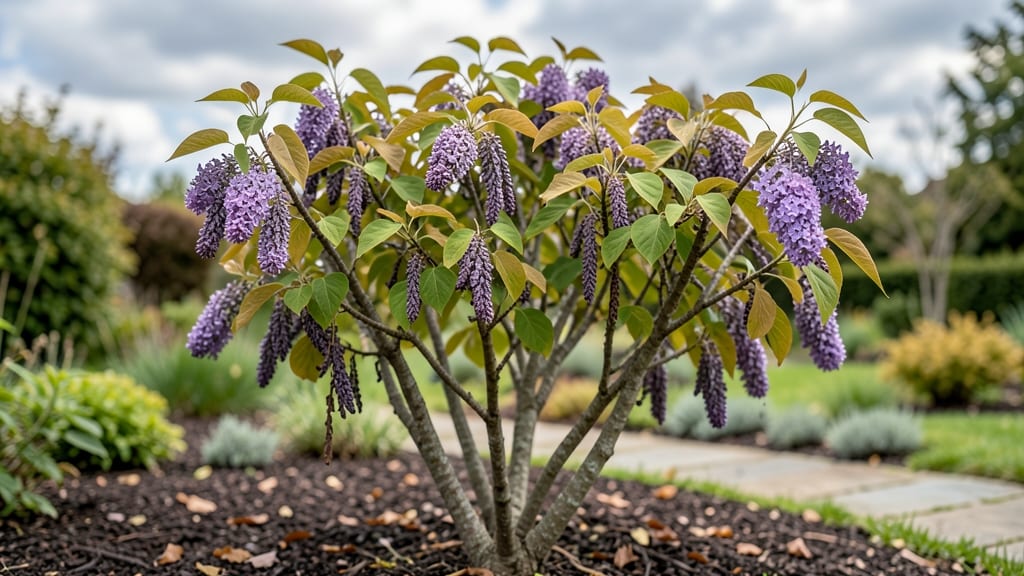
Your lilac tree’s autumn transformation starts with the right cuts. ✂️ This is the season to shape next year’s blooms while protecting against winter damage—no guesswork, just strategic trimming that keeps your lilac thriving for decades.
The key is timing: prune after leaves fall but before hard frost, focusing on removing dead or crossing branches while leaving healthy stems with 3-5 buds. Over-pruning now means fewer flowers next spring, so keep it light.
I’ve seen lilacs bounce back beautifully when treated this way—even after years of neglect. You’ll end up with a tree that looks neat and intentional in winter while storing energy for vibrant purple blooms by May.
The branches take on a sculptural quality, and the roots stay healthier through cold snaps. For extra winter prep, mulch around the base to insulate roots—just 2-3 inches of shredded bark or leaves. This simple step makes all the difference in harsh climates.
Ready to transform your lilac into a year-round star?
📚 In This Guide
- What you need
- Instructions
- Tips and common mistakes
- Wrapping up and next steps
What you need
- ● Pruning shears: Bypass pruners (for small branches, 3–6 inches in diameter). Pro tip: Sharpen them beforehand for clean cuts! ✨
- ● Loppers: 8–12 inch loppers (for thicker branches, up to 2 inches in diameter).
- ● Pruning saw: Curved-tooth saw (for branches over 2 inches thick).
- ● Disinfectant: 70% isopropyl alcohol or 10% bleach solution (to sterilize tools between cuts).
- ● Gloves: Heavy-duty gardening gloves (to protect against thorns and sap).
- ● Rag or paper towels: For wiping tools between cuts.
- ● Trash bags: Heavy-duty bags (to collect pruned branches for disposal or compost).
- ● Hand pruners: For delicate trimming of small stems.
- ● Extension pole: If your lilac is tall (to reach higher branches safely).
- ○ Pruning sealant: (Optional) For larger cuts to prevent disease entry.
- ● Notebook & pen: To jot down notes on your pruning plan or observations.
- ● Safety glasses: If dealing with large branches or debris.
- ● Check the weather: Prune on a dry, overcast day (avoid rainy or windy conditions).
- ● Know your lilac’s age: Young trees (under 3 years) need minimal pruning; mature trees benefit from more aggressive cuts.
- ● Identify dead, diseased, or crossing branches before starting.
How to prune your lilac tree in autumn for next year’s blooms
This is the secret to keeping your lilac bush lush and flowering for decades. Timing and technique make all the difference.
✂️ Step 1: Wait for the Right Time to Prune
Autumn pruning works best after the lilac has finished blooming but before hard frost—typically between late September and mid-October. You’ll know it’s time when the flowers have faded completely and new growth has slowed. Pruning too early leaves next year’s buds vulnerable, while pruning too late risks winter dieback.
I always check the weather forecast first. If frost is predicted within a week, delay pruning until spring instead. The goal is to give the tree time to heal before dormancy sets in. Healthy lilacs can handle light trimming in autumn, but heavy cuts should wait until late winter or early spring.
✂️ Step 2: Remove Dead, Diseased, or Weak Wood
Start by scanning the entire bush for branches that are dead, diseased, or crossing. Dead wood is easy to spot—it’s brown, brittle, and doesn’t bend. Diseased branches may have black spots, mold, or oozing sap. Weak wood often grows at odd angles or looks thinner than others.
Use sharp, clean pruning shears to make 45-degree cuts just above a healthy outward-facing bud. Avoid leaving stubs—these invite rot and pests. If a branch is thicker than your wrist, use a pruning saw instead. I always disinfect my tools with rubbing alcohol between cuts to prevent spreading disease.
✂️ Step 3: Thin Out Crowded Branches
Lilacs bloom on old wood, so never cut back into last year’s growth. Instead, focus on thinning out crowded stems to improve airflow and sunlight penetration. Aim to remove about one-third of the oldest stems at the base, cutting them back to the ground. This encourages fresh, vigorous growth from the center.
Look for branches that rub against each other or grow inward—they’ll eventually break or block light. Step back every few cuts to visualize the shape. A well-thinned lilac should have an open, vase-like structure. If you’re unsure which branches to remove, prioritize the thickest, oldest stems first.
✂️ Step 4: Shape Lightly for Balance
Lilacs naturally grow in a rounded form, but a little shaping after thinning helps maintain their classic silhouette. Use your shears to shorten only the longest branches by about one-third of their length. Avoid heavy pruning—this stresses the tree and can reduce next year’s flowers.
Focus on the outer edges to create a slightly tapered shape. Never remove more than 25% of the total foliage in one season. If you’re pruning a mature lilac, spread the work over two years to avoid shock. After shaping, rake up all clippings to prevent fungal diseases from overwintering in the debris.
🌿 Step 5: Clean Up and Protect for Winter
Once pruning is done, give the tree a final inspection for any remaining dead or damaged wood. Apply a balanced, slow-release fertilizer (like 10-10-10) around the base to replenish nutrients lost during pruning. Water deeply if your autumn has been dry—this helps the roots recover before dormancy.
Mulch the base with 2-3 inches of organic mulch (like shredded bark) to insulate the roots. Keep the mulch 6 inches away from the trunk to prevent rot. If your winters are harsh, consider wrapping the base with burlap for extra protection against cold winds. This small step makes a big difference in spring recovery.
Tips & tricks for perfect lilac tree autumn pruning
Autumn pruning transforms your lilac into a blooming powerhouse—here's how to avoid common mistakes and maximize results.
Timing is Everything: The late September to mid-October window is non-negotiable for autumn pruning. I learned this the hard way after seeing buds fail to form when I pruned too early. Watch for completely faded flowers and slowed new growth—these are your cues. If frost threatens within a week, delay until late winter or early spring when the tree is fully dormant. The goal is to give your lilac time to heal before winter stress sets in.
Tool Prep Matters: Never underestimate the importance of sharp, clean tools. I always disinfect my pruning shears with rubbing alcohol between cuts to prevent disease spread. For branches thicker than your wrist, switch to a pruning saw—your shears will thank you. Pro tip: Make clean 45-degree cuts just above a healthy outward-facing bud. This encourages proper regrowth and prevents unsightly stubs that invite pests.
Thinning Strategy: Remember, lilacs bloom on old wood—never cut back into last year's growth. Focus on removing about one-third of the oldest stems at the base to improve airflow and sunlight penetration. I like to visualize the bush from a distance every few cuts to maintain that open, vase-like structure. Prioritize thick, older stems first—they're the ones crowding out new growth. This single step makes all the difference in next year's bloom quality.
Winter Protection: After pruning, don't skip the winter protection steps. Apply a balanced 10-10-10 fertilizer to replenish nutrients, then mulch with 2-3 inches of organic material. Keep that mulch 6 inches away from the trunk to prevent rot. In harsh climates, I've found wrapping the base with burlap adds an extra layer of protection against winter winds. These small steps ensure your lilac wakes up strong in spring.
Pro Tips for Lilac Tree In Autumn
- Autumn pruning transforms your lilac into a blooming powerhouse—here's how to avoid common mistakes and maximize results.
- Timing is Everything: The late September to mid-October window is non-negotiable for autumn pruning.
- Tool Prep Matters: Never underestimate the importance of sharp, clean tools.
Frequently asked questions
Got questions about keeping your lilac tree beautiful in autumn? We’ve got answers! Whether you’re prepping for pruning, curious about timing, or wondering how to handle pests, here’s what you need to know:
When is the best time to prune lilacs in autumn?
Prune lilacs right after they finish blooming in late spring or early summer—never in autumn! Autumn pruning can stimulate new growth that won’t harden off before winter, leaving them vulnerable to frost damage. If you missed the spring window, wait until late winter or early spring (just before buds swell) for minimal stress.
Can I prune lilacs in autumn if they’re overgrown or diseased?
Yes, but prioritize removing dead, diseased, or crossing branches first—these can harm the tree year-round. For heavy pruning, focus on shaping in late winter/early spring. In autumn, limit cuts to 10-15% of the canopy to avoid stress. If pests (like borers) are present, prune infected areas immediately and dispose of debris.
Will pruning lilacs in autumn affect next year’s blooms?
Pruning at the wrong time can reduce next year’s flowers, but autumn cuts (if minimal) won’t drastically impact blooms. The real risk? New growth from autumn pruning may not mature enough to survive winter. For maximum blooms, stick to late spring/early summer pruning—this ensures next year’s flower buds form properly.
How do I protect lilacs from pests or disease after autumn pruning?
After pruning, sterilize tools with rubbing alcohol to prevent spreading disease. Remove fallen leaves/debris (pests love hiding there!) and apply organic fungicide if you spot powdery mildew or leaf spots. For borers, inject beneficial nematodes into the soil. Mulch lightly (2–3 inches) to retain moisture and deter pests.
What if my lilac tree didn’t bloom this year? Could autumn pruning be the cause?
Unlikely! Lilacs bloom on old wood, so autumn pruning isn’t the culprit. Check these first:
- Age: Young trees (under 3 years) may not bloom yet.
- Location: Too much shade or poor drainage can stunt blooms.
- Over-fertilizing: Too much nitrogen = leafy growth, fewer flowers.
- Winter damage: Frost can kill flower buds.
Wrapping up and next steps
Autumn pruning your lilac tree isn’t just about tidying up—it’s a game-changer for year-round beauty! 🌿 By following strategic cuts and timing, you’ll encourage vibrant blooms, healthier growth, and a stunning silhouette that stands out in every season.
Whether you’re a pruning pro or just starting, the key is confidence and consistency.
Ready to transform your lilac into a showstopper? Grab your tools, mark your calendar, and give your tree the love it deserves. Next steps:
- Schedule your autumn pruning for right after blooming (or early spring if you missed autumn!).
- Monitor your tree’s progress and adjust cuts as needed.
- Share your before-and-after results—we’d love to see your lilac’s glow-up! 🌸