
Pruning
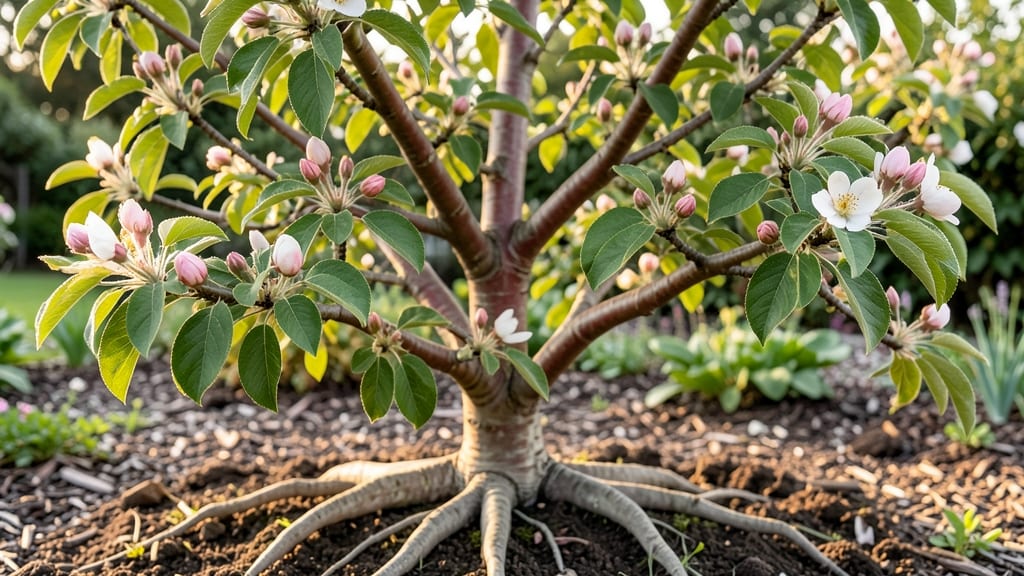
Those tiny peach tree flower buds hold the promise of your entire harvest. 🌸 I’ve watched my own trees go from bare branches to blossom-heavy limbs in just a few weeks—and the secret lies in understanding when and how to protect them from frost, pests, and overzealous pruning.
Healthy buds are plump, reddish-brown, and tightly clustered along last year’s wood. If they’re shriveled, black, or falling off, it’s a sign of winter damage or disease.
The best time to check them is late winter, when the ground is still frozen but the buds have swollen slightly—this is when you can still adjust your pruning or add frost protection.
With the right care, you’ll see buds burst into delicate pink blooms by early spring, leading to fruit in just 6-8 weeks. The key is balancing pruning to open the canopy for sunlight while preserving last year’s branches, where most buds form.
A little extra attention now means a bountiful summer harvest.
Even experienced gardeners sometimes struggle with bud failure—whether from late frosts, aphid infestations, or improper pruning. I’ll walk you through how to spot problems early and fix them before they derail your crop. Let’s make sure those buds turn into fruit, not disappointment.
📚 In This Guide
- What you need
- Instructions
- Tips and common mistakes
- Wrapping up and next steps
What you need
- ● Pruning shears: Bypass pruners (sharp, clean, and disinfected—think Felco F-2 or Gonicc TGP-121 for precision). 1 pair (or 2 if pruning large branches).
- ● Loppers: For thicker branches (1.5"–2" diameter). 1 pair (e.g., Fiskars X27).
- ● Pruning saw: For branches >2" thick. 1 (e.g., Bahco Ergo).
- ● Gloves: Heavy-duty, cut-resistant (e.g., Wolverine Waffle Grip). 1 pair.
- ● Disinfectant: 70% isopropyl alcohol or bleach solution (1 part bleach : 9 parts water) to sterilize tools. Small spray bottle or rag.
- ● Rag or paper towels: For wiping tools between cuts. 5–10 sheets.
- ○ Pruning sealant (optional): Tree wound dressing (e.g., Tanglefoot Tree Wound Pruning Seal) for large cuts. Small tube.
- ● Safety glasses: To protect eyes from debris. 1 pair.
- ● Long sleeves/pants: Wear long clothing to avoid thorns or sap irritation.
- ● Ladder or stool: If your tree is tall (>6 ft). 1 (ensure it’s stable!).
- ● Trash bag: For collecting pruned branches. 1–2 large bags.
- ● Notebook/pencil: To sketch your pruning plan or mark branches. 1.
- ● Dormant season: Prune in late winter/early spring (before buds swell but after frost risk). Ideal temps: 40–60°F.
- ● Dry weather: Avoid pruning if rain is forecasted within 24 hours.
- ● Sunny day: Bright light helps you spot buds and angles clearly.
Instructions: how to revive peach tree flower buds through strategic pruning
Here’s how I transform a peach tree’s dormant branches into a spring blooming powerhouse—just a few cuts and timing tweaks make all the difference.
✂️ Step 1: Time Your Pruning for Maximum Bud Revival
Prune your peach tree during its dormant season, ideally in late winter (just before buds swell) or early spring (after last frost but before leaves emerge). This timing ensures you’re cutting when the tree’s energy is still focused on root systems, not active growth. I avoid pruning after buds break—too late, and you risk removing next year’s flowers.
Wait until temperatures stay above 30°F at night to prevent frost damage to fresh cuts. Test by gently scratching a bud—if it’s still firm, hold off. Once buds begin to plump slightly (like a tiny green marble), that’s your cue to start. Real talk: I’ve pruned too early and ended up with bare branches—don’t rush this step.
🌿 Step 2: Remove Dead, Diseased, and Crossing Branches First
Start by eliminating dead wood (gray, brittle branches) and any with blackened cankers or fungal growth. Use clean, sharp pruners to make cuts at a 45-degree angle, about ¼ inch above a healthy bud or branch collar. This prevents water from pooling and rotting the wound.
Next, target crossing branches—where limbs rub together—which creates weak entry points for disease. Also cut out suckers (shoots growing from the base or trunk) and water sprouts (vertical shoots from the trunk). These compete with flower buds for energy. I like to make these cuts first—they’re the easiest and clear the way for better light penetration to remaining buds.
☀️ Step 3: Thin Out Crowded Bud Clusters for Better Blooms
Peach trees often develop dense clusters of buds, but too many compete for nutrients. Thin these clusters by selectively removing ⅓ of the weakest buds, leaving the healthiest, largest buds spaced 6–8 inches apart. Focus on buds that face south or west—they’ll get the most sunlight and bloom first.
Here’s the trick: Look for buds that are plump and slightly sticky (a sign of good health). Snip these clusters back to just above a side bud or lateral branch. Avoid cutting into the collar (the swollen area where branches meet)—this can invite disease. You’ll see a noticeable difference in bloom quality after just one season of thinning.
🪴 Step 4: Shape the Tree for Airflow and Sunlight
Open up the tree’s canopy by pruning inward-growing branches to create a vase-like shape. This improves airflow, reducing humidity that encourages fungal diseases like brown rot. Aim to leave 6–8 main scaffold branches (horizontal limbs) spaced 12–18 inches apart along the trunk.
For each branch you shorten, cut back to a bud that faces outward—this encourages growth in the right direction. Avoid "lion-tailing" (cutting back to a stub with no bud). Instead, make cuts just above a healthy bud at the desired angle. After pruning, step back and visualize sunlight reaching the center—your goal is to eliminate shade spots where buds might fail to thrive.
💧 Step 5: Post-Pruning Care to Protect Buds
Water the tree deeply right after pruning to help it recover. Apply 2–3 inches of mulch (like wood chips) around the base, keeping it 6 inches away from the trunk to prevent rot. This retains moisture and regulates soil temperature, which is critical for bud health.
Now, monitor for aphids or mites, which love fresh pruning wounds. Spray with neem oil if you spot sticky residue (honeydew) on leaves. I also recommend a balanced fertilizer (like 10-10-10) applied in early spring to replenish nutrients lost during pruning. Watch for new leaf growth—this is your signal that the tree is healing and ready to focus on blooming.
Tips & tricks for perfect peach tree pruning
These precision cuts will transform your peach tree's dormant branches into a spring bloom spectacle—here's how to avoid the mistakes that waste years of potential.
Timing is Everything: The dormant season window is narrow—late winter through early spring before buds swell. I check nighttime temperatures first: if they dip below 30°F, wait. Cold snaps can shock fresh cuts, and you'll see it in next year's blooms. Pro move: Mark your calendar for the last frost date in your zone, then count back 2-3 weeks for your pruning window. This ensures you're cutting when the tree's energy is still focused on roots, not leaves.
Tool Prep Prevents Problems: Your pruners are more important than you think. Clean them with rubbing alcohol between cuts to prevent spreading disease from cankers to healthy wood. I sharpen mine on a file before starting—dull blades tear wood instead of making clean cuts, creating larger wounds that heal poorly. Also keep a small spray bottle of water handy: dampen cuts immediately after pruning to reduce water loss and prevent browning. This simple step keeps your tree looking fresh for weeks after pruning.
Bud Selection Secrets: When thinning clusters in Step 3, focus on buds that are plump and slightly sticky to the touch—these are the healthiest candidates. I make my cuts just above a side bud that faces outward, creating an open angle that encourages future growth. For stubborn clusters, I use my thumb to gently press the weakest buds—they'll often snap off cleanly without damaging the main branch. This visual inspection saves me from cutting too aggressively and accidentally removing next year's blooms.
Post-Pruning Inspection: After shaping, do a final walk-around to spot any missed suckers or crossing branches. I look for small shoots growing from the base or trunk—these are energy vampires that will rob your flower buds. For stubborn water sprouts, I use a small pruning saw to cut them at the base, being careful not to damage the trunk. This final check ensures your tree's energy goes where you want it: into spectacular spring blooms.
Pro Tips for Peach Tree Flower Buds
- These precision cuts will transform your peach tree's dormant branches into a spring bloom spectacle—here's how to avoid the mistakes that waste years of potential.
- Timing is Everything: The dormant season window is narrow—late winter through early spring before buds swell.
- Tool Prep Prevents Problems: Your pruners are more important than you think.
Frequently asked questions
Got questions about peach tree flower buds? You’re not alone! Here are some of the most common queries—and their answers—to help you master the art of pruning for a stunning spring bloom.
When should I prune peach tree flower buds for best results?
Prune peach trees during late winter or early spring before buds swell but after the coldest weather passes (typically January–February in most zones). This timing ensures you remove dead wood while preserving next year’s blooms. Avoid pruning in fall, as it can stimulate new growth that’s vulnerable to frost damage.
What if my peach tree buds aren’t opening in spring?
Bud failure can stem from frost damage, disease (like bacterial leaf spot), or improper pruning. Inspect buds for discoloration or mushy spots—these are red flags. If buds are brown and shriveled, they’re likely dead. Thin out crowded branches in winter to improve airflow, and consider applying a copper fungicide if disease is suspected.
Can I prune peach tree flower buds if I miss the ideal window?
Yes, but act quickly! If you miss late winter, prune in early spring as soon as buds show color. Avoid heavy pruning later in the season, as it stresses the tree. Focus on removing only dead, diseased, or crossing branches. Summer pruning is a last resort—limit it to shaping and never cut more than 10% of the canopy.
Do peach trees need special care after pruning flower buds?
After pruning, water deeply to help the tree recover, especially if the weather is dry. Apply a 2–3 inch layer of mulch around the base (but not touching the trunk) to retain moisture and regulate soil temperature. Fertilize lightly in early spring with a balanced 10-10-10 formula to support new growth.
Will pruning flower buds reduce my peach harvest next year?
Not if done correctly! Pruning encourages fruit production by improving sunlight and air circulation. Removing excess buds and dead wood redirects the tree’s energy to healthier blooms and fruit. Just avoid over-pruning—never cut more than 25% of the tree’s canopy in one season. Patience and precision pay off with bigger, juicier peaches!
Wrapping up and next steps
Caring for your peach tree’s flower buds is the secret to a bountiful harvest—and now you’ve got the tools to make it happen! 🌸 From sharpening your pruning shears to timing cuts just right, every step ensures vibrant blooms and sweet peaches ahead. Don’t wait for spring to act: grab your gear, roll up your sleeves, and give your tree the TLC it deserves.
Next steps:
- 📅 Mark your calendar for late winter/early spring—pruning season is coming!
- 🌱 Monitor your tree’s progress and adjust care as needed.
- 🍑 Share your success (or ask questions!) with fellow gardeners—community helps!