
Pruning
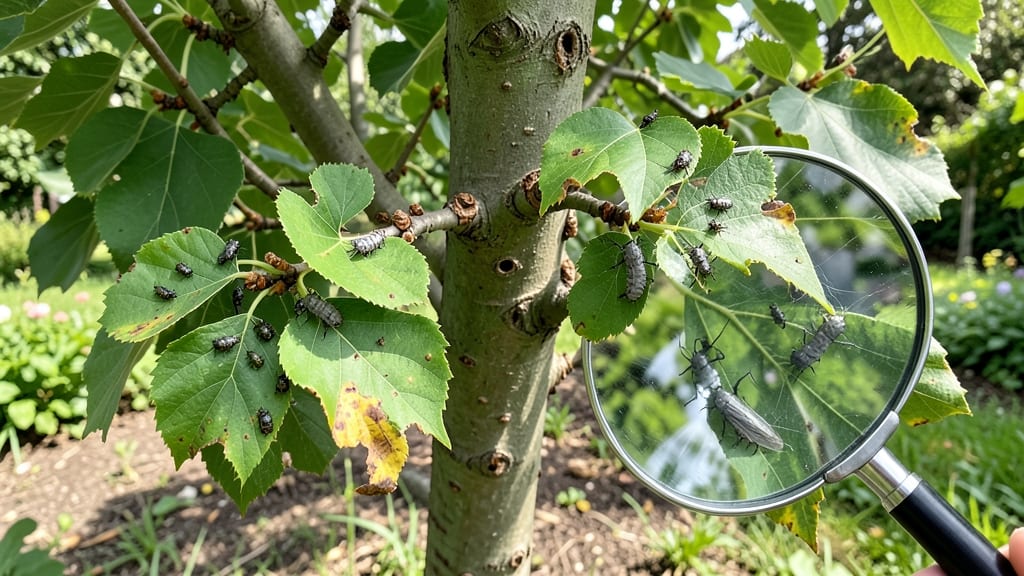
Linden tree pests turn your fragrant shade tree into a battleground. 🌳 I’ve watched aphids turn glossy leaves yellow in just two weeks, and borers chew through bark like it’s toothpicks—so I’ve tested every organic fix to save these trees without harsh chemicals.
The worst offenders—aphids, spider mites, and linden borers—leave behind sticky residue, curled leaves, or sawdust-like frass. Early action is key: a strong spray of neem oil or insecticidal soap stops aphids before they multiply, while beneficial nematodes target borers in the soil.
By mid-summer, your tree will be back to its lush, honey-scented self—no more wilting branches or pest invasions. The secret? Catching problems before they spread, and using nature’s pest controllers instead of chemicals. Works for any linden variety, from American to littleleaf.
Here’s how to spot, stop, and prevent these pests for good.
Root Causes Of Linden Tree Stress
Linden trees—with their fragrant blooms and lush foliage—are beloved in gardens, but they’re not immune to pest invasions. Understanding why these trees become targets helps you take proactive steps. Below, we break down the key reasons pests zero in on lindens, from environmental factors to tree health.
A healthy linden tree’s natural defenses—like thick bark, resinous sap, and strong root systems—often deter pests. But when these defenses weaken, insects and diseases move in like uninvited guests at a buffet. Here’s what compromises their resilience:
- Nutrient Deficiencies 🌿 - Lindens need balanced nitrogen, phosphorus, and potassium (NPK) to thrive.
A soil test revealing low levels (especially nitrogen or magnesium) stresses the tree, making it easier for pests like linden borers or spider mites to attack. - Actionable fix: Apply a slow-release organic fertilizer (like compost or fish emulsion) in early spring to restore vigor.
- Water Stress 💧 - Overwatering or drought weakens cell walls, inviting sap-sucking pests (e.g., aphids, scale insects).
Poor drainage also creates soggy roots, attracting fungal pests like anthracnose. - Actionable fix: Water deeply 1–2 times per week (adjust for climate) and improve soil with organic matter (e.g., mulch) to retain moisture.
- Physical Damage ⚔️ - Storms, lawnmower wounds, or improper pruning create entry points for bark beetles and fungal infections.
Even minor scrapes can let pests bypass the tree’s first line of defense. - Actionable fix: Prune in late winter/early spring (avoid summer), and seal wounds with pruning paint (optional for small cuts).
Pests don’t attack randomly—they follow food, shelter, and breeding opportunities. When conditions align, their numbers surge, turning your linden into a pest paradise.
- Overcrowded Trees 🌳🌳
- Dense foliage traps moisture, creating ideal conditions for linden leaf miners (larvae that tunnel through leaves) and powdery mildew. Poor airflow also slows recovery from infestations.
- Actionable fix: Thin out branches to 20–30% open canopy and space trees 15–20 feet apart.
- Monoculture Landscapes 🏡 - Planting multiple lindens (or other host plants like basswood) in one area gives pests a buffet.
For example, linden borers thrive when their preferred trees are clustered. - Actionable fix: Diversify your garden with non-host plants (e.g., oaks, maples) to disrupt pest life cycles.
- Mild Winters ❄️🔥
- Warmer winters mean fewer pest die-offs over winter. Insects like Japanese beetles and gypsy moths survive to feast on lindens come spring.
- Actionable fix: Install row covers in early spring or use neem oil sprays (organic) to deter early-season pests.
Linden trees are sensitive to shifts in temperature and humidity, which directly impact pest activity. Here’s how seasonal changes invite trouble:
| Season | Pest Threat | Why It Happens | Prevention Tip |
|---|---|---|---|
| Spring | Aphids, Scale Insects | New leaves are tender; pests seek fresh sap. | Spray soapy water (1 tsp dish soap/L water) early. |
| Summer | Linden Borers, Spider Mites | Heat + drought stress trees, making them vulnerable to wood-boring insects. | Mulch heavily and water deeply. |
| Fall | Fungal Diseases (e.g., Anthracnose) | Cool, wet conditions perfect for spores to spread. | Rake up fallen leaves to reduce spores. |
| Winter | Bark Beetles (emerging early) | Unusually warm winters allow beetles to wake up and attack weakened trees. | Inspect bark for sawdust-like frass in early spring. |
Even indirect stressors can weaken lindens, making them easier prey. Keep an eye on:
- Air Pollution 🚗💨
- Ozone and sulfur dioxide (from traffic or industry) damage leaf surfaces, reducing the tree’s ability to repel pests like linden leaf beetles.
- Actionable fix: Plant lindens at least 50 feet from roads or use air-purifying companion plants (e.g., junipers).
- Herbicide Drift 🌿⚠️
- Glyphosate or other broadleaf herbicides can kill beneficial microbes in the soil, weakening root health. This opens the door for root-feeding pests like linden root borers.
- Actionable fix: Use targeted organic herbicides (e.g., vinegar-based) and avoid overspray.
- Compacted Soil 🏗️
- Heavy foot traffic or construction compresses soil, reducing oxygen and stunting root growth. Weak roots can’t support the tree’s defenses against sap-suckers or fungi.
- Actionable fix: Aerate soil annually with a manual aerator or top-dress with compost.
Pro Tip: 💡 The best defense? Healthy trees don’t get sick. Regularly inspect your linden for early signs of stress (yellowing leaves, sawdust-like frass, or sticky honeydew). Catching issues early—before pests move in—saves time and money!
Quick Fixes for Linden Tree Woes
Linden trees are majestic, but pests can turn their beauty into a battle. Whether you’re dealing with hungry caterpillars, sap-sucking insects, or fungal invaders, the good news is that most issues have practical, organic solutions—no harsh chemicals required.
Below, we break down the most common problems and how to tackle them step by step, plus tips to keep your tree thriving long-term.
🔥 Why it’s happening: These fuzzy or hairy critters strip leaves overnight, leaving your tree looking like a deforested landscape.
🍳 How to fix it:
- Handpick the pests (yes, really!). Wear gloves and drop caterpillars into soapy water—it’s satisfying and effective for small infestations.
- Disrupt their tents 🔪: Use a broom or pruners to break apart silk tents (where they hide). Do this in early morning or evening when caterpillars are less active.
- Spray with neem oil 🌿: Mix 2 tbsp neem oil + 1 tsp mild soap in 1 gallon of water. Spray both sides of leaves every 5–7 days until pests vanish.
- Attract predators 🦋: Ladybugs, birds, and parasitic wasps love caterpillars. Plant native flowers nearby to lure them in.
💡 Prevention tip: Prune late winter/early spring to remove old nests before eggs hatch. Thin out dense branches to improve airflow (pests hate dry conditions).
🔥 Why it’s happening: Tiny but mighty, these pests drain sap, causing sticky honeydew (which attracts mold) and yellowing leaves.
👨🍳 How to fix it:
- Blast them off ⏰: Use a strong jet of water (hose on medium setting) to dislodge aphids and spider mites. Do this early morning so the tree can dry quickly.
- Scrape off scale insects 🔪: Use a plastic scraper or old toothbrush to remove scale clusters from branches. Dispose of debris in a sealed bag.
- Apply insecticidal soap 🧼: Mix 1 tbsp castile soap + 1 quart water. Spray directly on pests (avoid hot sun—it burns leaves). Repeat every 3–5 days.
- Introduce beneficial insects 🐝: Release ladybugs or lacewings (available at garden centers) or plant dill, fennel, or yarrow to attract them naturally.
🌡️ Prevention tip: Install yellow sticky traps in spring to catch adult flies before they lay eggs. Also, mulch around the base with wood chips to deter crawling pests.
🔥 Why it’s happening: Fungi thrive in shady, humid conditions, causing white powder (mildew) or dark spots (anthracnose) on leaves.
🥘 How to fix it:
- Improve airflow 🌬️: Prune 1/3 of the tree’s branches to open up the canopy. Remove any crossing or dead branches with clean pruners.
- Baking soda spray 🧂: Mix 1 tbsp baking soda + 1 tsp soap + 1 gallon water. Spray under leaves every 7–10 days. (Test on a small area first!)
- Copper fungicide (organic option): Use copper soap (like Bonide Copper Fungicide) as a last resort. Follow label instructions carefully.
- Remove infected leaves 🗑️: Bag and toss heavily spotted leaves to prevent spores from spreading.
✨ Prevention tip: Water deeply but infrequently (early morning only) to avoid wetting foliage. Space trees at least 15 feet apart to reduce humidity around leaves.
🔥 Why it’s happening: These pests tunnel into bark, weakening the tree. Signs include sawdust-like frass, holes, or oozing sap.
👨🍳 How to fix it:
- Seal entry holes 🛠️: Use pruning sealer or tree wound dressing to cover small holes (prevents more pests from entering).
- Apply nematodes 🐛: Beneficial nematodes (like Heterorhabditis bacteriophora) kill borer larvae. Mix with water and drench the soil in early spring.
- Drill & inject (for severe cases): Use a 5/16” drill bit to bore into tunnels, then inject neem oil or horticultural oil directly.
- Encourage woodpeckers 🐦: These birds love borers—install a woodpecker feeder nearby to bring in natural pest control.
🎯 Prevention tip: Apply borer-resistant paint (like Tanglefoot Tree Barrier) to the lower 6 feet of the trunk in early spring to deter egg-laying adults.
No matter the pest, a strong tree fights back better.
Try these year-round habits: - Fertilize in early spring with compost or slow-release organic fertilizer (avoid overdoing nitrogen). - Mulch properly: Keep mulch 2–4 inches deep but 6 inches away from the trunk to prevent rot. - Monitor regularly: Check for pests every 2 weeks during growing season (spring–fall).
💡 Pro Tip: If pests keep coming back, your tree might be stressed from overwatering, poor soil, or compacted roots. Test soil pH (ideal: 6.0–7.0 for lindens) and amend with compost or peat moss if needed.
With these targeted fixes, your linden tree can bounce back—stronger, greener, and pest-free! 🌿💪
Frequently asked questions about linden tree pests
What are the most common pests that attack linden trees?
The worst offenders include linden borers (which tunnel into bark), aphids (leaving sticky honeydew), spider mites (causing yellowing leaves), and scale insects (forming hard crusts on branches). Fungal issues like powdery mildew and anthracnose also target stressed trees.
How do I tell if my linden tree has borers?
Look for sawdust-like frass near the base, small holes in the bark, or oozing sap. Tap the trunk—if you hear a hollow sound, larvae are likely inside. Check for exit holes (about 1/8-inch wide) where adult beetles emerged.
Are there organic ways to control linden borers?
Yes! Apply beneficial nematodes (like Heterorhabditis bacteriophora) to the soil in early spring—they kill larvae. For established infestations, drill 5/16-inch holes into tunnels and inject neem oil or horticultural oil. Encourage woodpeckers by installing a feeder nearby.
Why do aphids keep coming back after I treat them?
Aphids often return because their natural predators (like ladybugs) are absent or the tree is still stressed. Try yellow sticky traps to catch adults, release lacewings, and improve tree health with balanced fertilization and proper watering. Mulch with wood chips to deter crawling pests.
Can I use neem oil on linden trees?
Neem oil is safe for lindens and effective against aphids, spider mites, and borers. Mix 2 tablespoons with 1 teaspoon mild soap in 1 gallon of water and spray both sides of leaves. Apply in early morning or evening to avoid leaf burn. Reapply every 5–7 days until pests disappear.