
Trees
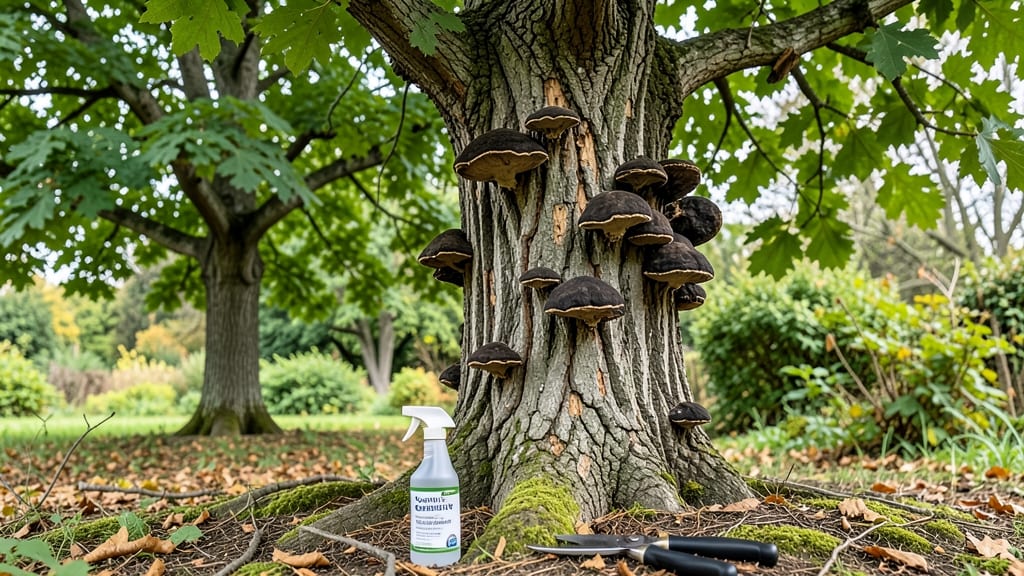
That first brown spot on your oak’s leaves isn’t just age—it’s a sign of the tree infection fungus creeping in. 🌳 I’ve watched anthracnose turn a healthy tree’s canopy into a sad, spotted mess, but there’s hope if you act fast.
The key is catching it early, when organic treatments still work better than harsh chemicals.
Fungal infections like powdery mildew or root rot thrive when trees are stressed—too much shade, poor soil, or overwatering. I learned the hard way that pruning at the wrong time (wet spring days) invites trouble.
The good news? Healthy trees fight infections better, and organic sprays like neem oil or copper fungicide can stop the spread before it’s too late.
You’ll spot the damage first as yellowing leaves, then dark lesions or white powdery growth. With quick action—pruning infected branches, improving airflow, and applying the right treatment—you can restore your tree’s strength.
The goal isn’t just to treat the fungus but to give your tree the best chance to heal naturally.
Works for shade trees, fruit trees, and even young saplings. The sooner you intervene, the easier the fix—and the longer your tree will stand strong in your yard. Let’s get your tree back to its vibrant best.
Root Causes Of Fungal Spread
Fungal infections in trees don’t happen by chance—they thrive due to specific conditions that weaken defenses or invite pathogens. Understanding these triggers helps you spot risks early and take action. Here’s why fungal infections take root (literally) in your trees.
---
Trees, like living organisms, rely on a robust immune system to fend off diseases. When their defenses falter, fungi exploit the opportunity.
- 🌿 Nutrient Deficiencies Trees deprived of essential nutrients—like nitrogen, phosphorus, or micronutrients such as magnesium—become vulnerable. Example: A lack of nitrogen weakens leaves, making them easier targets for fungal spores. Actionable fix: Conduct a soil test and amend with organic compost or slow-release fertilizers like bone meal (for phosphorus) or fish emulsion (for nitrogen).
- 💧 Water Stress Overwatering or drought stress disrupts a tree’s natural resistance. Fungi love moisture: Saturated roots create the perfect breeding ground for pathogens like Phytophthora, while drought weakens cellular integrity, allowing entry points. Actionable fix: Water deeply but infrequently (1–1.5 inches per week) and improve drainage with organic mulch (e.g., wood chips or straw).
- 🌡️ Environmental Shock Sudden temperature swings, frost damage, or extreme heat can shock trees into a stressed state. Example: Late spring frosts on newly budding trees open wounds, inviting fungal invaders like Cryphonectria parasitica (chestnut blight). Actionable fix: Use frost cloths for young trees and avoid pruning during late winter/early spring when frost risk is high.
---
Fungi don’t just appear—they hitch a ride or exploit openings. Here’s how they gain access:
- 🪓 Physical Wounds Cuts from pruning, storm damage, or even burrowing pests create entry points. Example: Improper pruning (cutting too close to the trunk) leaves jagged edges that trap moisture and spores. Actionable fix: Sterilize pruning tools with 70% isopropyl alcohol and make cuts at a 45-degree angle, 1/4 inch above a branch collar.
- 🐛 Pest Activity Insects like bark beetles or borers weaken trees by tunneling into bark, creating pathways for fungi. Example: Sirex noctilio (wood wasp) larvae create galleries that invite Amylostereum areolatum, a deadly fungus. Actionable fix: Monitor for sawdust-like frass at the base of trees and apply organic insecticides like neem oil or kaolin clay as a barrier.
- 🌧️ Standing Water & Poor Drainage Fungal spores thrive in stagnant moisture. Example: Armillaria mellea (honey fungus) spreads via root grafts in waterlogged soil. Actionable fix: Raise soil levels with compost or install French drains to redirect water away from tree roots.
---
Even well-maintained trees can fall prey to fungi if their environment is optimized for spread.
- 🍄 Contaminated Tools or Mulch Fungal spores linger on tools, mulch, or even soil from infected plants. Example: Using the same shovel for a diseased tree and a healthy one transfers spores. Actionable fix: Clean tools with bleach (1 part bleach to 9 parts water) and use sterilized mulch (heat-treated or from certified organic sources).
- 🌳 Overcrowded Plantings Dense tree clusters trap humidity and limit airflow, creating ideal fungal conditions. Example: Maple trees planted too closely suffer from Anthracnose due to prolonged leaf wetness. Actionable fix: Space trees according to their mature size (e.g., 20–30 feet apart for large oaks) and prune lower branches to improve airflow.
- 🌿 Ignored Debris Leaves, fallen branches, or diseased wood harbor spores for years. Example: Heterobasidion annosum (annosum root rot) survives in stumps for decades. Actionable fix: Remove infected debris immediately and chip it for compost (if not severely contaminated).
--- 💡 Pro Tip: Fungal infections often start small—regular inspections (especially after storms or seasonal changes) catch problems before they spread. Use a magnifying glass to check for discoloration, unusual growths, or spore clusters (often powdery or slimy).
How to Treat and Prevent Tree Fungus
Treating a tree infected with fungus requires a mix of early intervention, organic solutions, and preventive care to keep your trees healthy. Below, we break down targeted fixes based on the most common causes—plus proactive tips to stop future outbreaks.
---
If your tree is already showing signs of fungal infection (like discolored leaves, oozing sap, or mushroom growth at the base), quarantine the area immediately. Fungal spores spread fast—especially in damp, shaded spots—so limit foot traffic near infected trees.
#### 🔥 Immediate Actions to Contain the Problem - Prune infected branches (🔪) using sterilized shears (wipe with rubbing alcohol between cuts). - Remove fallen leaves/debris (🍂) within a 3-foot radius—fungus thrives in organic matter. - Rake up mulch from the tree base and replace it with gravel or wood chips (better airflow = less moisture).
#### 🌡️ Organic Fungicides That Work Skip harsh chemicals—these natural treatments fight fungus without harming soil or wildlife: - Neem oil spray (🌿) – Mix 1 tbsp neem oil + 1 tsp mild soap in 1 quart water.
Spray every 7–10 days until symptoms fade. - Baking soda solution (🍞) – 1 tbsp baking soda + 1 tsp oil + 1 gallon water. Best for powdery mildew on leaves. - Copper fungicide (⚡) – Use organic copper-based sprays (like Bonide Copper Fungicide) for stubborn infections like anthracnose.
---
Fungus loves wet roots. If your tree sits in soggy soil or gets excessive water, adjust your care routine.
#### ⏰ Adjust Watering Habits - Water deeply but less often (💧) – Let the top 2–3 inches of soil dry out between waterings. - Improve drainage (🏗️) – Add compost or perlite to heavy clay soil.
For container trees, ensure pots have drainage holes. - Avoid overhead watering (🚫💦) – Use drip irrigation or soaker hoses to keep leaves dry.
#### 🌱 Boost Tree Resilience - Mulch correctly (🍂) – Keep mulch 3–4 inches deep but 6 inches away from the trunk (too much mulch = rot). - Fertilize with compost (🌱) – Weak trees attract fungus. Use well-aged compost or fish emulsion in early spring.
---
Insects like borers or scale create wounds where fungus enters. Treat pests first to prevent secondary infections.
#### 👨🍳 DIY Pest Control - Horticultural oil spray (🛡️) – Apply in early spring (before buds open) to smother eggs/larvae. - Beneficial nematodes (🐛) – Water soil with microscopic nematodes to target grubs. - Encourage natural predators (🐝) – Plant bee-friendly flowers nearby to attract ladybugs and lacewings.
#### 🎯 Strengthen the Tree’s Immune System - Prune for airflow (🌬️) – Thin out dense branches to reduce humidity in the canopy. - Apply mycorrhizal fungi (🍄) – These beneficial fungi (like Rhizophagus) help roots fight pathogens.
---
Fungus flourishes when trees are weak from stress. Adjust the microclimate around your tree.
#### ✨ Long-Term Prevention Tips - Plant fungus-resistant species (🌳) – Choose native trees like oak, hickory, or serviceberry (less prone to infections). - Space trees properly (📏) – Crowded trees = more shade and moisture = fungus paradise. - Monitor soil pH (📊) – Most trees prefer slightly acidic soil (6.0–7.0).
Test with a home kit and amend if needed.
--- 💡 Pro Tip: Check trees every 2 weeks in spring and fall—early detection = easier treatment!
By combining targeted fixes with preventive care, you can save infected trees and keep your landscape fungus-free for years. 🌿✨
Frequently asked questions about tree fungal infections
What are the first signs my tree might have a fungal infection?
Watch for yellowing or browning leaves, especially with dark spots or powdery white growth. Check the bark for cracks, oozing sap, or unusual mushrooms at the base. Wilting or stunted growth can also signal trouble—these are early warnings before the infection spreads.
Can I save a tree that’s already showing severe fungal damage?
It depends on the type and stage of the infection. For early-stage issues (like powdery mildew), organic treatments (neem oil or copper fungicide) can often restore health. But if the fungus has reached the roots (e.g., Armillaria root rot) or trunk (e.g., Cryphonectria canker), the tree may need removal to protect others. Act fast—prune infected areas and improve airflow immediately.
How often should I apply organic fungicides to prevent infections?
Apply neem oil or baking soda sprays every 7–10 days during high-risk seasons (spring and fall). For copper fungicides, follow label instructions (usually every 2–4 weeks). Preventative sprays work best when combined with proper pruning, mulching, and soil drainage—think of it as armor for your tree’s immune system.
Why does my tree keep getting fungal infections even after treatment?
Persistent infections often mean underlying stress factors aren’t addressed. Check for overwatering, poor drainage, or nutrient deficiencies—fungi exploit weak trees. Also, reapply treatments after rain (they wash off) and sterilize tools between cuts. If the problem keeps returning, consider a soil test or consulting an arborist for deeper issues.
Are there any trees naturally resistant to fungal diseases?
Yes! Native species like oak, hickory, and serviceberry have built-in defenses. For urban landscapes, ginkgo, crape myrtle, and redbud are also tougher choices. Always research your tree’s native range and common pests/diseases before planting—local nurseries can recommend the hardiest options for your climate.