
Pests and Diseases
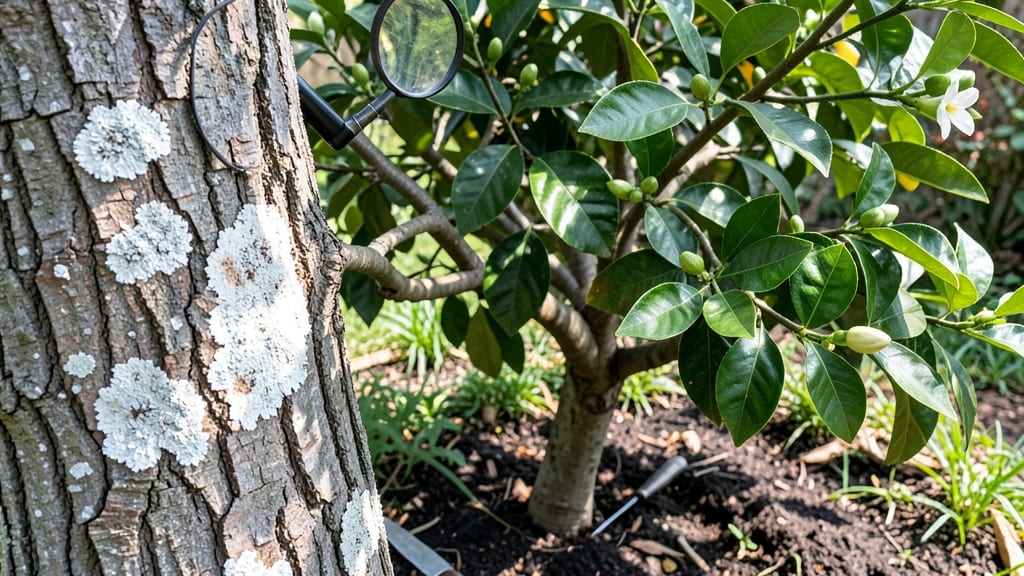
Those white spots on your orange tree trunk aren’t just unsightly—they’re a cry for help. 🌿 I’ve seen citrus trees go from healthy to hopeless when homeowners ignore early signs of fungal infections like powdery mildew or citrus scab, and I’m here to stop that from happening to yours.
The culprits are usually fungal spores thriving in damp conditions, but sometimes it’s bacterial spots or even physical damage from tools or pests. The key to saving your tree is acting fast—before those spots turn into a full-blown infection that weakens the trunk and reduces fruit production.
With just three simple steps—cleaning, treating, and preventing—you can restore your tree’s health and keep those white spots from spreading. I’ve used these methods on my own citrus trees, and within weeks, the bark looks smooth and the tree is back to thriving.
Whether you’re dealing with a young sapling or a mature tree, this guide covers everything from organic remedies to when it’s time to call in a professional. Let’s get your orange tree back to its vibrant best!
Root Causes Of Trunk Spots
White or discolored patches on your orange tree trunk aren’t just cosmetic—they’re often signs of underlying issues. Understanding the why behind these spots is the first step toward fixing them. Below, we break down the most common culprits, backed by science, so you can take targeted action.
---
Fungi thrive in warm, moist environments, and citrus trees—especially oranges—are prime targets. The most common fungal offenders include:
- **Citrus Scab (Elsinoë spp.) - How it spreads: Fungal spores splash onto the trunk from infected leaves or soil, especially after rain or overhead watering. - What it looks like: Rough, raised, white to grayish spots that may crack or ooze when wet.
Severe cases can deform bark. - Why it’s dangerous: Weakens the tree’s ability to transport nutrients, leading to stunted growth or fruit drop. - 💡 Pro Tip: Scab thrives in humid conditions—prune for airflow and avoid wetting the trunk during irrigation.
- Powdery Mildew (Oidium spp.) - How it spreads: Unlike scab, powdery mildew prefers dry heat but still needs moisture to germinate.
It spreads via wind or contaminated tools. - What it looks like: Chalky white, powdery patches (like dust) that can spread to leaves and fruit. - Why it’s dangerous: While less aggressive than scab, it stresses the tree and reduces photosynthesis. - 🌡️ Key Factor: Temperatures between 77–86°F (25–30°C) accelerate growth—monitor humidity spikes.
- Anthracnose (Colletotrichum spp.) - How it spreads: Enter through wounds (pruning cuts, insect damage) or infected plant debris. - What it looks like: Sunken, white to brown spots that may bleed or turn black in wet conditions. - Why it’s dangerous: Can girdle the trunk over time, killing the tree if untreated. - ✨ Prevention Hack: Sterilize pruning tools with 70% isopropyl alcohol to prevent cross-contamination.
---
Bacteria are less common than fungi but far more destructive once established. The two main culprits:
- Citrus Canker (Xanthomonas axonopodis pv. citrumelo) - How it spreads: Water splashes or contaminated tools carry bacteria into bark wounds. - What it looks like: Water-soaked, raised white spots that turn yellow with oily edges.
Spots may ooze when wet. - Why it’s dangerous: Causes bark necrosis, which can girdle and kill branches. Quarantine laws apply in many states—report outbreaks immediately. - 🚨 Legal Note: Some regions require burning infected trees—check local agricultural regulations.
- Bacterial Leaf Spot (Pseudomonas syringae) - How it spreads: Thrives in cool, wet weather; spreads via wind, rain, or tools. - What it looks like: Tiny, watery white spots that darken and may merge into larger lesions. - Why it’s dangerous: Reduces leaf area, weakening the tree’s vigor and fruit yield. - 🔥 Quick Fix: Copper-based bactericides (e.g., Copper Soap) can suppress early infections.
---
Not all white spots are biological. Sometimes, the trunk reacts to mechanical injury or extreme conditions:
- Sunscald or Frost Damage - How it happens: Sudden temperature swings (e.g., cold nights followed by hot days) cause bark cells to rupture. - What it looks like: Pale, sunken patches that may peel or exude gum (a tree’s healing sap). - Why it’s dangerous: Exposed tissue invites fungal/bacterial infections. - 🛡️ Protection Tip: Wrap young trunks with burlap or tree guard in winter.
Mulch to stabilize soil temps.
- Insect Gall or Borer Entry Points - How it happens: Sap-sucking insects (e.g., citrus leafminers) or boring beetles (e.g., citrus bark borer) create wounds that turn white as the tree attempts to seal them. - What it looks like: Small, irregular white patches with tiny holes or sawdust-like frass (insect waste). - Why it’s dangerous: Borers tunnel into the cambium layer, disrupting nutrient flow. - 🔪 Inspection Tip: Scrape gently—if you see S-shaped tunnels, you’ve got borers.
Act fast with soil drenches of imidacloprid.
- Chemical Burn or Herbicide Drift - How it happens: Overspray from glyphosate or other herbicides bleaches the bark. - What it looks like: Uniform white patches with no texture changes (unlike fungal spots). - Why it’s dangerous: Compromises the trunk’s protective barrier. - 🚫 Avoidance Rule: Never spray near the trunk.
Use shielded sprayers for perimeter treatments.
--- While rare, mineral imbalances can cause discoloration:
- Calcium or Magnesium Deficiency - How it happens: Poor soil drainage or over-fertilization with nitrogen (without micronutrients) leads to deficiencies. - What it looks like: White, crusty deposits (especially near leaf scars) or blotchy bark. - Why it’s dangerous: Weakens cell walls, making the tree susceptible to pathogens. - 📊 Soil Test Solution: Conduct a pH and nutrient test—amend soil with lime (for calcium) or Epsom salt (for magnesium) if needed.
--- Yes, even trees get mini ecosystems on their bark!
- How it happens: Algae and lichen spores land on the trunk, thriving in shady, damp microclimates (common under dense canopies). - What it looks like: Soft, velvety white (algae) or crusty gray-green (lichen) patches. - Why it’s not dangerous: Harmless to the tree but can harbor pests or hide fungal spores. - 🧹 Cleanup Tip: Scrub with a soft brush and soapy water—avoid harsh chemicals, as they can damage bark.
--- White spots on an orange tree trunk are never random. Each type—fungal, bacterial, physical, or environmental—requires a different approach. The best defense? Early identification and targeted treatment. Next, we’ll dive into how to diagnose** which culprit you’re dealing with.
Fixing White Spots on Tree Bark
White spots on your orange tree trunk may seem alarming, but with the right approach, you can restore your tree’s health and prevent further damage. Below are targeted solutions based on the most likely causes—fungal infections, scale insects, or environmental stress—along with preventive tips to keep your tree thriving.
---
If the white spots are powdery, fuzzy, or spreading, they’re likely caused by a fungal infection like peach leaf curl, sooty mold, or citrus scab. Here’s how to tackle it:
#### 🔥 Step 1: Prune Infected Branches - Use sterilized pruning shears (wipe with rubbing alcohol) to remove heavily affected branches. - Dispose of infected debris in a sealed trash bag—do not compost it to prevent reinfection.
#### 🍳 Step 2: Clean the Trunk Thoroughly - Mix 1 part bleach with 9 parts water (or use a baking soda solution: 1 tbsp baking soda + 1 gallon water + a few drops of dish soap). - Scrub the trunk and branches gently but firmly with a soft brush to remove fungal growth. - Rinse with clean water afterward.
#### 👨🍳 Step 3: Apply Fungicide - Spray the trunk and nearby foliage with a copper-based fungicide (like Copper Soap or Neem Oil). - For severe cases, use a systemic fungicide (e.g., Myclobutanil) as directed. - Reapply every 2–4 weeks until the spots disappear.
#### 🌡️ Prevention Tips for Fungal Spots ✅ Improve airflow by pruning dense branches. ✅ Water at the base (not overhead) to keep foliage dry. ✅ Avoid overhead irrigation—use drip systems instead. ✅ Apply fungicide preventatively in spring and fall (fungi thrive in damp, cool weather).
---
If the white spots are sticky, waxy, or resemble tiny bumps, scale insects (like citrus scale) are likely the culprit. These pests secrete honeydew, which attracts sooty mold—leading to white residue.
#### 🔪 Step 1: Dislodge Scale with High Pressure - Use a strong stream of water (from a hose) to knock off visible scale clusters. - Repeat every few days for a week to weaken their grip.
#### 🥘 Step 2: Apply Horticultural Oil or Insecticidal Soap - Mix 1–2% horticultural oil (like Sunspray Oil) or insecticidal soap (e.g., Safer® Brand Insect Killing Soap). - Spray thoroughly, covering all sides of the trunk and branches, including crevices. - Reapply every 5–7 days for 2–3 weeks (scale insects have multiple life stages).
#### ⏰ Step 3: Introduce Beneficial Insects (Optional) - Ladybugs, lacewings, or parasitic wasps (like Aphytis melinus) prey on scale insects. - Purchase them from a garden center and release them in the early morning or late evening when they’re most active.
#### 🎯 Prevention Tips for Scale Infestations ✅ Inspect new plants before bringing them near your orange tree. ✅ Keep the tree healthy—stressed trees attract more pests. ✅ Remove weedy debris around the base (scale hides in ground cover). ✅ Apply preventive sprays in early spring before scale eggs hatch.
---
If the white spots are flaky, dry, or appear after extreme weather, your tree may be suffering from sunburn, frost damage, or nutrient deficiency.
#### 💡 Step 1: Shield from Harsh Conditions - Sunburn? Wrap the trunk with tree wrap (available at garden stores) to protect from late-winter sun. - Frost damage? Cover young trees with frost cloth during cold snaps. - Windburn? Plant windbreaks (like bamboo screens) or mulch heavily around the base.
#### 🥗 Step 2: Boost Tree Health with Fertilizer - Test soil pH and nutrients (ideal for citrus: 6.0–7.0 pH). - Apply a balanced citrus fertilizer (high in nitrogen, phosphorus, and potassium) in early spring. - Avoid over-fertilizing—this can stress the tree further.
#### 🌱 Prevention Tips for Stress-Related Spots ✅ Water deeply but infrequently (1–2 inches per week, more in extreme heat). ✅ Mulch 2–3 inches deep (keep mulch 4–6 inches away from the trunk). ✅ Avoid heavy pruning in late summer (new growth is more susceptible to damage). ✅ Monitor weather forecasts and protect young trees during temperature swings.
--- For fungal + scale issues, alternate between fungicide sprays and insecticidal treatments to break the cycle. Always rotate treatments (e.g., copper fungicide one week, horticultural oil the next) to prevent resistance.
By acting quickly and consistently, you’ll help your orange tree recover—and keep those pesky white spots from returning! 🍊💚
Frequently asked questions
Are white spots on my orange tree trunk always dangerous?
Not always! While many white spots indicate fungal infections like citrus scab or powdery mildew, some are harmless. Algae or lichen may appear as soft white patches, especially in shady, damp areas. Check the texture—powdery spots are usually fungal, while smooth or crusty patches might be harmless growths. If in doubt, examine a small section under magnification.
How do I tell if white spots are fungal vs. insect-related?
Fungal spots (like citrus scab) are typically raised, rough, and may ooze when wet, while insect-related spots (from scale or borers) often appear as tiny bumps or sticky residue. Look for tiny holes or sawdust-like frass (insect waste) near the spots—this confirms insect activity. Fungal spots also spread more gradually, while insect damage often clusters near wounds or crevices.
Can I use household items like vinegar to treat white spots?
Vinegar can help in mild cases, but it’s not a complete solution. Mix 1 part white vinegar with 3 parts water and spray on fungal spots—its acidity disrupts spores. For better results, combine with baking soda (1 tbsp per gallon) and a few drops of dish soap. However, severe infections or insect problems require targeted fungicides or insecticides. Always test a small area first.
Will pruning help if the white spots are already on the trunk?
Pruning alone won’t fix trunk spots, but it’s crucial for prevention. Remove any infected branches (even if spots are on the trunk) to stop spores from spreading. Focus on improving airflow by thinning dense foliage. After pruning, sterilize your tools with 70% isopropyl alcohol to avoid cross-contamination. Combine pruning with fungicide treatments for best results.
When should I call a professional arborist?
Consult an arborist if the spots are spreading rapidly, oozing liquid, or the trunk shows signs of cracking. Also seek help if you suspect citrus canker (a bacterial disease requiring quarantine in some areas). Professionals can diagnose hidden issues like borer infestations or advanced fungal infections that DIY methods can’t handle. Early intervention saves your tree—don’t wait until branches start dying!