
Pruning
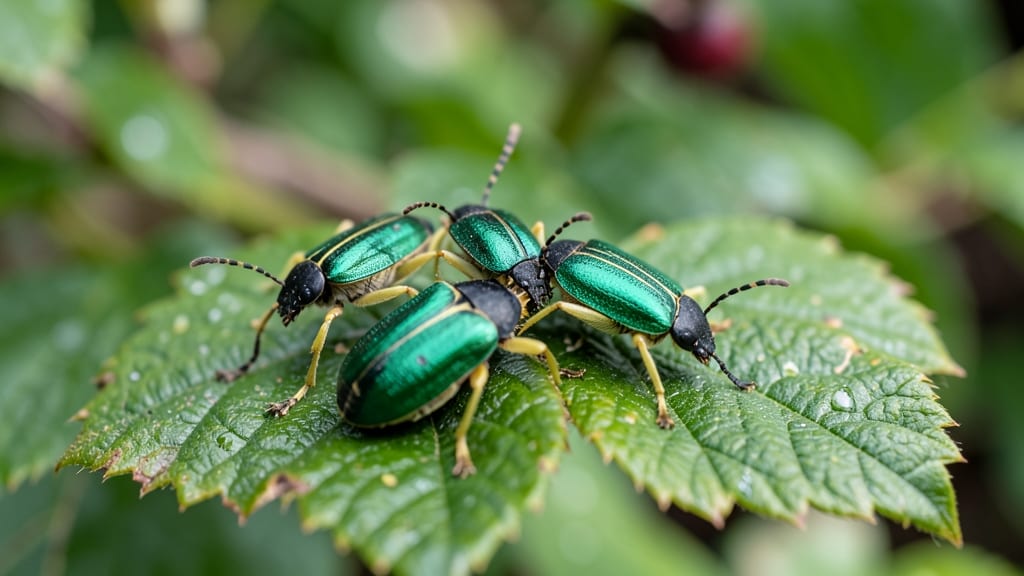
Elderberry tree bugs can turn your thriving bushes into skeleton branches overnight—especially those sneaky sawfly larvae that skeletonize leaves faster than you can say "harvest." 🌿 I’ve lost entire batches of berries to them, but I’ve also learned how to spot the damage early and stop it before it spreads.
The key is knowing what to look for: chewed leaves, sticky residue, or tiny holes that seem to appear overnight.
Most bugs—like aphids, borers, or spider mites—target stressed trees, so strong cultural care (watering, pruning, mulching) cuts their success rate by half. I’ve found that a simple mix of neem oil and insecticidal soap, applied in late spring and early summer, keeps my bushes producing berries instead of caterpillars.
The secret? Timing—spray before the bugs hatch, not after they’ve moved in.
By mid-summer, your trees should be humming with pollinators, not pests, if you’ve stayed ahead of the infestations. The berries will plump up, the leaves stay lush, and you’ll actually get to enjoy that first taste of homemade elderberry syrup.
The worst part? Most of these bugs are easy to outsmart once you know their patterns.
Whether you’re dealing with a first-time infestation or an annual battle, the same principles apply: monitor, act early, and use nature’s tools before reaching for chemicals. Your future self (and your berry jam) will thank you.
Root Causes of Elderberry Tree Bugs
Understanding why pests target your elderberry tree is the first step in effective, organic control. These tiny invaders don’t just appear out of nowhere—they’re drawn by specific conditions your tree provides. Let’s break down the science behind their attraction and how your tree’s biology plays a role.
---
Elderberry trees, like all plants, rely on a complex immune system to fend off pests. When this system weakens, bugs see an open invitation to feast. Here’s why it happens:
- Nutrient Deficiencies: Elderberries thrive in well-drained, nutrient-rich soil. If your tree lacks essential nutrients like nitrogen, phosphorus, or potassium, its leaves become less tough and more appealing to pests.
For example, aphids and spider mites target stressed trees because their sap is easier to access. - Actionable tip: Conduct a soil test to check pH and nutrient levels. Amend the soil with compost or organic fertilizers like bone meal (for phosphorus) or fish emulsion (for nitrogen).
- Water Stress: Overwatering or drought can both weaken elderberries. Overwatered soil leads to root rot, while drought causes wilting and stunted growth.
Both scenarios make trees vulnerable to borers and scale insects, which exploit weakened vascular systems. - Pro tip: Water deeply but infrequently—aim for 1–1.5 inches of water per week, adjusting for rainfall. Mulch around the base to retain moisture without suffocating roots.
- Disease Pressure: Fungal infections (like powdery mildew) or bacterial diseases create entry points for pests.
For instance, Japanese beetles are more likely to attack trees already stressed by disease, as the damaged tissue offers easier access to their larvae’s food source. - Preventative measure: Prune infected branches immediately and remove fallen leaves to reduce spores. Apply neem oil as a preventative fungicide during humid seasons.
---
Elderberry trees are magnets for bugs when they provide the perfect microclimate—think of it like a five-star bug hotel. Here’s what makes your tree a pest paradise:
- Lush Foliage: Elderberries produce dense, broad leaves that create shaded, humid environments. This moisture-loving setup attracts pests like sawfly larvae and leafhoppers, which thrive in damp conditions. - Solution: Thin out overcrowded branches to improve airflow.
Prune in late winter or early spring to encourage sunlight penetration and reduce humidity.
- Flower and Fruit Attraction: Elderberry flowers and berries are a buffet for pollinators and pests.
Bees and wasps are great, but so are fruit flies, berry maggots, and Japanese beetles, which lay eggs in the blossoms or feed on the fruit. - Organic deterrent: Install blue sticky traps to catch adult beetles before they lay eggs.
Handpick infested berries and dispose of them in sealed bags.
- Sap-Rich Young Growth: New shoots and tender leaves are packed with sugars, making them a favorite snack for aphids, scale insects, and whiteflies.
These pests insert their mouthparts into the plant to suck out sap, weakening the tree over time. - Quick fix: Blast off aphids with a strong stream of water from your hose. For scale, use a soft brush to scrub them off and follow up with horticultural oil.
---
Many bugs targeting elderberries have synchronized their life cycles with your tree’s growth patterns. Understanding these cycles helps you anticipate and disrupt their plans:
- Seasonal Timing: For example, elderberry borers (like the elderberry shoot borer) lay eggs in late summer or early fall. Their larvae then overwinter in the bark, emerging in spring to tunnel into new growth.
If you miss this window, you’ll see wilting branches by mid-summer. - Strategic action: Apply kaolin clay or diatomaceous earth to the trunk in late fall to create a barrier. Prune and destroy infested branches before larvae emerge.
- Host Plant Preference: Some pests, like the elderberry sawfly, are specialists—they only target elderberries (and a few related plants).
These bugs have evolved alongside elderberries, making them particularly persistent. - Targeted control: Introduce beneficial predators like ladybugs or parasitic wasps (e.g., Trichogramma spp.), which lay eggs in sawfly larvae. Purchase them from garden centers or attract them with native flowering plants.
- Overwintering Sites: Many pests, such as spider mites or scale insects, hide in bark crevices, leaf litter, or mulch over winter. When spring arrives, they emerge ready to colonize your tree. - Cleanup tip: Rake up and dispose of fallen leaves and debris in the fall.
Scrape off old bark or moss from the trunk to eliminate hiding spots.
--- Understanding these root causes empowers you to disrupt the pest-life cycle before it starts. By addressing nutrient deficiencies, improving growing conditions, and timing interventions to match pest life stages, you’ll create an environment where bugs think twice before moving in!
Natural Ways to Tame Tree Pests
If your elderberry tree is under siege by bugs, don’t panic—there are plenty of organic, effective solutions to restore its health. Below, we’ve mapped common pests to their fixes, along with preventive tips to keep your tree thriving long-term.
These methods are easy to follow, budget-friendly, and safe for your garden (and the planet!).
---
Fix: These tiny green or black bugs cluster on new growth, leaving sticky residue (honeydew) that attracts mold.
1. 💦 Blast Them Away - Use a strong stream of water from a hose to dislodge aphids from leaves and stems. Repeat every 2–3 days until they’re gone. - Pro tip: Do this in the early morning so the tree dries quickly, reducing fungal risks.
2. 🌿 Soap It Up - Mix 1 tbsp mild liquid soap (like Castile soap) with 1 quart of water in a spray bottle. Apply directly to infested areas. - Test first on a small leaf to ensure it doesn’t damage the plant.
3. 🐝 Invite Natural Predators - Ladybugs, lacewings, and parasitic wasps love aphids. Plant dill, fennel, or marigolds nearby to attract them.
Prevention: - Prune regularly to improve airflow and remove infested branches. - Encourage beneficial insects by avoiding broad-spectrum pesticides.
---
Fix: These barely visible pests spin webs and cause yellowing leaves or stippling (tiny white dots).
1. 🌧️ Shower Time - Spider mites hate humidity. Mist your tree daily with water during dry spells to deter them.
2. 🍋 Neem Oil Spray - Mix 1 tbsp neem oil + 1 tsp mild soap + 1 quart of water. Spray undersides of leaves (where mites hide) every 5–7 days. - Shake well before each use—neem oil separates!
3. 🌿 Companion Planting - Chives, garlic, or thyme repel spider mites. Plant them near your elderberry tree.
Prevention: - Keep your tree hydrated—drought stress attracts mites. - Remove fallen leaves where mites overwinter.
---
Fix: These iridescent green beetles skeletonize leaves, leaving only veins.
1. 🕷️ Handpick & Drown - Drop beetles into a bucket of soapy water in the early morning when they’re sluggish. - Bonus: Check nearby roses or grapes—they love those too!
2. 🍎 Beer Trap - Bury a small container filled with beer near the tree. The yeast attracts beetles, drowning them. - Refresh every few days.
3. 🌿 Milky Spore or Beneficial Nematodes - Apply milky spore powder (a natural bacteria) to the soil to reduce grubs (beetle larvae).
Prevention: - Plant traps like marigolds or cosmos to lure beetles away. - Water deeply—stressed trees attract more pests.
---
Fix: These wood-boring larvae tunnel inside branches, causing wilting or oozing sap.
1. 🔪 Prune & Burn Infested Wood - Cut out any damaged branches at least 6 inches below the damage. Burn or dispose of them far from your garden.
2. 🌿 Beneficial Fungi & Parasites - Introduce parasitic nematodes (like Heterorhabditis bacteriophora) to the soil—they kill larvae naturally. - Where to buy: Garden centers or online (e.g., Grow More BioBest GT).
3. 🍯 Borer Trap - Drill small holes in a log or stump near the tree, fill with beer or overripe fruit. Borers will crawl in and drown.
Prevention: - Inspect trees annually for sawdust-like frass (borer poop) or exit holes. - Avoid wounding bark when pruning—borers exploit fresh cuts.
---
- 🌱 Healthy Soil = Strong Trees - Mulch with wood chips or compost to retain moisture and deter pests. - Test soil pH—elderberries prefer slightly acidic (6.0–6.5).
- 🕰️ Timing Matters - Early spring & fall are best for pruning and pest checks—bugs are less active then.
- 🌿 Diversity is Key - Plant native flowers (like coneflowers or black-eyed Susans) to attract pollinators and predator insects.
- 🚫 Avoid Chemical Pesticides - They kill beneficial bugs too. Stick to organic methods for long-term balance.
--- Remember: Patience is key—some fixes take 2–4 weeks to show results. Monitor your tree regularly, and soon it’ll be bug-free and flourishing! 🌿✨
Frequently asked questions
What are the most destructive bugs for elderberry trees?
Sawfly larvae and Japanese beetles are the top culprits—sawflies skeletonize leaves while beetles devour flowers and fruit. Aphids and spider mites also cause major damage by sucking sap and spreading diseases. Start by identifying chewed leaves or sticky honeydew residue to confirm infestations.
How do I tell if my elderberry tree has borers?
Look for exit holes in branches or sawdust-like frass (borer poop) near the base. Wilting branches or oozing sap are red flags too. Prune and burn infested wood immediately to prevent spread—borers tunnel deep and can kill branches if left untreated.
Can I use neem oil on elderberry trees?
Yes! Neem oil is safe and effective against aphids, spider mites, and young beetles. Mix 1 tbsp neem oil + 1 tsp mild soap + 1 quart water and spray undersides of leaves every 5-7 days. Apply in early morning to avoid harming bees.
When is the best time to treat elderberry pests?
Early spring (before buds open) and late fall (after leaf drop) are ideal for preventative sprays. For active infestations, treat in late afternoon when bees are less active. Avoid spraying during flowering to protect pollinators.
Will my elderberry tree recover from severe bug damage?
With prompt action, yes! Prune back damaged branches to healthy wood and focus on strengthening the tree through proper watering and fertilization. Most trees bounce back in 1-2 seasons if you eliminate the pests and improve growing conditions.