
Pruning
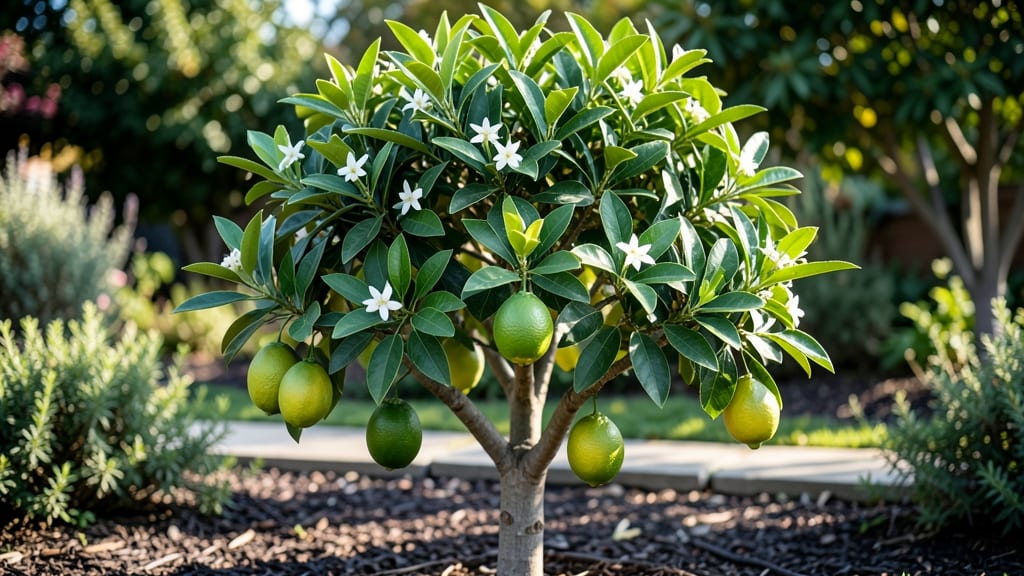
Your lime tree zone isn't just about temperature—it's about survival strategy. 🌱 True citrus like 'Bearss' thrives only in zones 10-11, where winter temps never dip below 30°F, while 'Meyer' limes stretch their range to zone 9 with proper protection.
The difference between a thriving tree and a frost-killed stump often comes down to understanding these hardiness limits and working with them.
Here's the game-changer: even in colder zones, you can grow limes successfully by choosing the right variety and growing method. Container culture lets you bring potted trees indoors during winter, while microclimates near south-facing walls can extend outdoor growing zones by 5-10 degrees.
The key is matching your lime tree's needs to your local climate patterns—not fighting them.
What you'll end up with is a productive tree that bears fruit year-round in warm zones or seasonal harvests in cooler climates. The Meyer lime, with its sweet-tart flavor and cold tolerance, becomes the star of zone 9 gardens, while 'Bearss' limes dominate the commercial groves of Florida and California.
Both varieties reward careful pruning with abundant fruit production.
Whether you're in Miami, Los Angeles, or the Pacific Northwest, this guide shows you how to select the right lime tree for your zone and maximize your harvest through smart growing techniques.
The payoff? Fresh limes whenever you want them, without relying on store-bought fruit that's been shipped across the country.
📚 In This Guide
- What you need
- Instructions
- Tips and common mistakes
- Wrapping up and next steps
What you need
- ● Pruning shears: Bypass pruners (sharp, 6–8" blades) for clean cuts on small branches. Pro tip: 💡 Sanitize blades with rubbing alcohol before and after use to prevent disease spread!
- ● Loppers: 8–12" loppers for thicker branches (½"–2" diameter). Look for ratcheting models for extra leverage.
- ● Hand saw: Pruning saw (10–12" curved blade) for stubborn, larger limbs. Pro tip: 🔥 Always cut at a 45° angle to avoid water pooling!
- ● Gloves: Heavy-duty, cut-resistant gloves (gardening or pruning-specific) to protect hands from thorns and sap.
- ● Disposable pruning bags: 3–5 gallon bags (or a tarp) to collect clippings and debris.
- ● Ladder: Extendable or step ladder (12–16' height) if your tree exceeds 8 feet.
- ○ Tree wound dressing: Optional but helpful for large cuts (e.g., Tanglefoot Tree Wound Pruning Sealant).
- ● Weather check: Prune on a dry, calm day (avoid rain for 24 hours before/after to prevent fungal growth).
- ● Safety gear: Safety glasses (to shield from debris) and closed-toe shoes.
- ● Tree health assessment: Inspect your lime tree for pests (e.g., aphids, mites) or diseases (e.g., citrus canker) before pruning. Treat issues first!
- ● Water & snacks: Hydration bottle and light snacks for longer sessions—you’ll be busy!
- ● Disinfectant spray: 70% isopropyl alcohol or a commercial pruning disinfectant for tools.
- ● Marking twine or flags: To tag branches for removal (great for complex pruning plans).
- ● Compost bin or mulch: To recycle clippings into nutrient-rich soil amendments.
- ● Camera: Snap photos of your tree’s structure before pruning—reference them later to track progress!
Instructions for maximizing lime tree fruit production year-round
Here's how to transform your lime tree into a high-yielding citrus powerhouse through smart pruning.
🌱 Step 1: Assess Your Tree's Structure and Health
Start by examining your lime tree's current form. Look for three main branches forming a natural tripod—this is ideal for airflow and sunlight penetration. Remove any dead, diseased, or crossing branches first, as these compete with healthy growth for energy. Use clean, sharp pruning shears to make cuts at a 45-degree angle, just above a leaf node or outward-facing bud.
Pay special attention to the tree's center. Dense interior growth blocks light and air circulation, inviting fungal diseases. Thin out crowded areas by removing 20-30% of the interior branches, focusing on smaller, less productive growth. This opens the canopy and lets sunlight reach the inner fruit clusters. If your tree is young, prioritize shaping its framework rather than aggressive pruning.
✂️ Step 2: Prune for Fruit Production Timing
Lime trees bear fruit on both old and new wood, so timing matters. In late winter or early spring (just before new growth begins), prune to remove overly vigorous shoots that would divert energy from fruit development. These are typically water sprouts—straight, fast-growing stems with no side branches. Cut these back to a lateral branch or bud.
During the summer dormant period (if you're in a warm climate), do a light pruning to remove any suckers or shoots growing from the base or trunk. These drain energy from the main canopy. Avoid heavy pruning in summer—it stresses the tree and can reduce next year's fruit set. Your goal here is to maintain shape and encourage balanced growth between leaves, branches, and fruit.
☀️ Step 3: Encourage Airflow and Sunlight Access
Step back and visualize how sunlight moves through your tree. The outer canopy should receive 6-8 hours of direct sunlight daily, while inner branches need at least 4 hours of filtered light. Prune to create an open, vase-like shape—this prevents humidity buildup and reduces the risk of citrus canker or other fungal diseases. Remove any branches growing inward or downward, as these create shaded, damp areas.
Look for scaffold branches—the main structural limbs that form the tree's skeleton. These should be spaced 12-18 inches apart and angled outward. If a scaffold branch is too crowded or weak, prune it back to a strong lateral branch. This ensures the tree's energy goes into developing fruit-bearing wood rather than overgrown, unproductive limbs.
⏰ Step 4: Post-Pruning Care for Recovery and Growth
After pruning, your lime tree will need time to recover. Water deeply within 24 hours to help the tree transport nutrients to new growth areas. Apply a balanced citrus fertilizer (6-6-6 or similar) to support regrowth, focusing on the root zone. Avoid fertilizing immediately after heavy pruning—wait until new shoots appear, usually in 3-4 weeks.
Monitor the tree closely for new growth within 2-3 weeks. Healthy regrowth appears as bright green, glossy leaves on vigorous stems. If you see slow or yellowing growth, your tree may need more nitrogen or better drainage. Prune again lightly in early fall to remove any shoots that grew too long during the summer, keeping the tree's shape balanced for winter dormancy.
Tips & tricks for year-round lime tree fruit production
Transforming your lime tree into a continuous fruit producer requires precision—these insights will help you avoid common pitfalls while maximizing yield.
Timing is Everything: The late winter/early spring pruning window (just before new growth) is critical because lime trees set fruit buds on both old and new wood. If you prune too early, you risk removing potential fruit-bearing branches. Mark your calendar for this precise timing—it's when your tree naturally prepares for its growth spurt. For summer pruning in warm climates, that light maintenance should happen during the dormant period when the tree isn't actively fruiting.
Pruning Angle Matters: When making cuts at a 45-degree angle just above a leaf node, you're not just following technique—you're creating the perfect conditions for new growth. The angle prevents water from pooling on the cut, which could lead to rot. More importantly, cutting above a bud that faces outward encourages branches to grow in a way that maintains your tree's open structure. This simple detail makes all the difference in creating that ideal vase shape we want.
Visual Cues for Success: After pruning 20-30% of interior branches, step back and look for sunlight streaming through the canopy. You should see light reaching all the way to the center—this is your confirmation that you've created proper airflow. For scaffold branches, imagine drawing lines from the trunk outward; they should form a gentle V shape with 12-18 inches between them. This visual check ensures your tree will have maximum sunlight exposure for fruit development.
Recovery Signals: Those first bright green, glossy leaves appearing within 2-3 weeks after pruning are your tree's way of saying "thank you." If you're seeing yellowing or slow growth instead, it's time to check your soil drainage or consider a nitrogen boost. The deep watering within 24 hours kickstarts this recovery process—think of it as giving your tree a drink after surgery to help it heal properly.
Pro Tips for Lime Tree Zone
- Transforming your lime tree into a continuous fruit producer requires precision—these insights will help you avoid common pitfalls while maximizing yield.
- Timing is Everything: The late winter/early spring pruning window (just before new growth) is critical because lime trees set fruit buds on both old and new wood.
- Pruning Angle Matters: When making cuts at a 45-degree angle just above a leaf node, you're not just following technique—you're creating the perfect conditions for new growth.
Frequently asked questions
Got questions about maximizing your lime tree’s fruit potential? Here are some common ones—and their answers—to help you keep your tree thriving year-round!
What’s the best time of year to prune a lime tree for fruit production?
The ideal time is late winter or early spring (just before new growth starts). This encourages vigorous flowering and fruiting. Avoid heavy pruning during summer or fall, as it can stress the tree and reduce fruit set. Pro tip: Light trimming to remove dead wood can happen anytime, but major pruning sticks to the winter schedule!
How much should I trim off my lime tree to boost fruit?
Remove 20-30% of the tree’s total growth—focus on dead, diseased, or crossing branches first. Thin out dense foliage to improve airflow and sunlight penetration. Over-pruning (beyond 30%) can weaken the tree, so aim for selective shaping rather than drastic cuts. Pro tip: Use sharp, sterilized tools to prevent damage!
Why isn’t my lime tree producing fruit after pruning?
Several factors could be at play:
- Age: Young trees (under 3 years) focus on growth, not fruit.
- Light: Lime trees need full sun (6+ hours daily).
- Soil/Nutrients: Test for nitrogen/phosphorus imbalances.
- Pollination: Hand-pollinate if bees are scarce (use a soft brush).
Can I prune a lime tree in USDA Zone 9 (or hotter climates) differently?
Yes! In Zones 9-11, prune early spring (Feb-March) to avoid summer heat stress. Reduce watering post-pruning to help wounds heal faster. Pro tip: Watch for citrus leaf miner—prune infested branches immediately to prevent spread!
What’s a good alternative if I don’t want to prune my lime tree?
If pruning feels overwhelming, try these low-maintenance strategies:
- Fertilize: Use citrus-specific fertilizer (high in nitrogen early, potassium later).
- Water deeply: 1-2 inches weekly (more in containers).
- Mulch: Keep roots cool with 2-3 inches of organic mulch.
- Thin fruit: Remove excess fruit to improve size/quality (leave 6-8 inches between fruits).
Wrapping up and next steps
Mastering the art of pruning your lime tree in the Lime Tree Zone isn’t just about maintaining shape—it’s about unlocking a year-round harvest of juicy, vibrant fruit.
By following the right techniques, timing, and tools, you’ll ensure your tree thrives, rewards you with bountiful yields, and stays healthy for seasons to come. 🌿
Ready to take the next step? Start by scheduling your first pruning session this spring and observe how your tree responds. Over time, you’ll refine your approach, turning your backyard into a tropical fruit paradise—one strategic cut at a time!