
How To
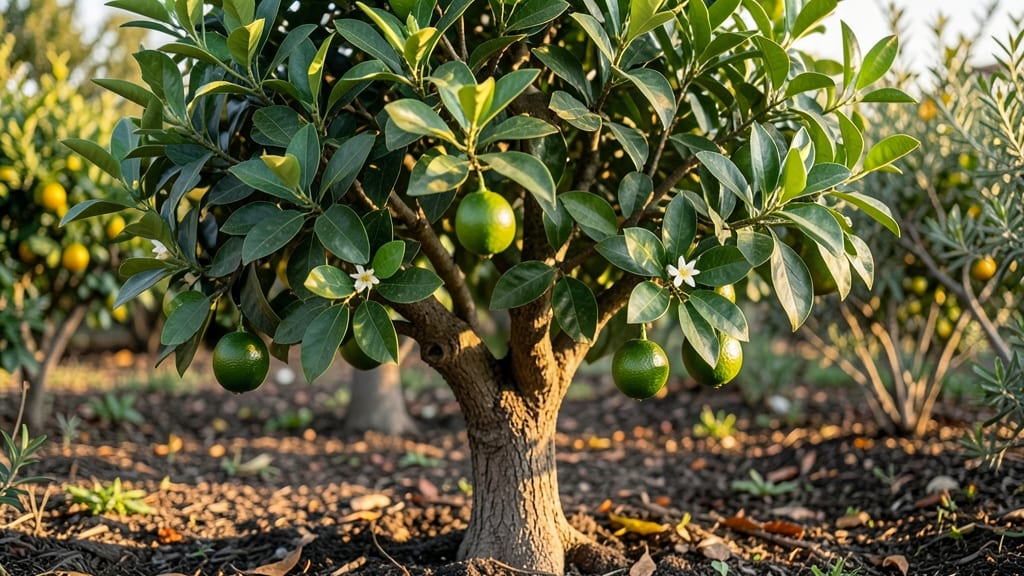
How tall does a lime tree grow? It ranges from 6 feet for dwarf varieties to over 40 feet for standard types, making it a versatile choice for both small yards and large landscapes.
If you're dreaming of fresh limes straight from your backyard but worried about space, understanding lime tree height ranges is your first step to success—because some varieties grow as small as 6 feet, while others tower over 40 feet!
The variety you choose makes all the difference: dwarf lime trees like 'Meyer Improved' stay compact, perfect for containers or urban gardens, while standard varieties like Bearss or Tahiti can reach heights that dwarf even two-story houses.
In this guide, you'll discover how to pick the right size for your space, manage growth with pruning, and even grow a productive lime tree in a pot—no backyard required.


Standard lime tree height ranges by variety: what to expect in full growth
When planning your backyard citrus orchard, knowing how tall lime trees grow is essential for spacing and container selection. Standard lime varieties can reach heights from 15 feet to over 40 feet at maturity, depending on the variety and growing conditions.
If you're working with limited space, choosing the right type could mean the difference between a lush harvest and a towering challenge.
Lime trees thrive in warm climates like USDA Zones 9-11, but some varieties tolerate cooler zones with winter protection. Their growth rates vary—some reach 6 feet in just 2 years, while others take 5-10 years to reach full height.
Proper sunlight, soil drainage, and regular pruning can influence how quickly and tall they grow.
Below is a detailed breakdown of standard lime tree varieties, their mature heights, and ideal spacing requirements for outdoor cultivation. This will help you visualize how each type fits into your garden layout.
| Variety | Mature Height (ft) | Growth Rate (yrs to maturity) | Ideal Spacing (ft) | Climate Notes |
|---|---|---|---|---|
| Bearss Lime | 20-30 ft | 5-8 years | 15-20 ft | Cold-hardy to 28°F; thrives in Zones 9-11 |
| Tahiti Lime | 15-25 ft | 4-6 years | 12-15 ft | Sensitive to frost; Zones 10-11 only |
| Key Lime (Mexican Lime) | 10-15 ft | 3-5 years | 8-12 ft | Fast-growing; Zones 9-11 with protection |
| Persian Lime | 25-40 ft | 8-10 years | 20-25 ft | Needs full sun; Zones 10-11 preferred |
| Rangpur Lime | 15-25 ft | 5-7 years | 12-15 ft | Drought-tolerant; Zones 8-11 |
The Bearss lime is a popular choice for home growers because it’s cold-hardy and produces abundant fruit. With a mature height of 20-30 feet, it needs ample space but rewards you with year-round harvests in warmer climates.
If you’re in Zone 9 or below, this is your best bet for a hardy, productive tree.
For smaller gardens, the Key lime is a fantastic option, reaching only 10-15 feet at maturity. It grows quickly—often bearing fruit within 3-5 years—and thrives in containers if you live in a cooler zone. Just ensure it gets full sun and well-draining soil to prevent root rot.
If you’re in a tropical or subtropical climate (Zones 10-11), the Persian lime is a stunning but space-hogging choice, soaring to 40 feet tall. Its thick canopy provides shade, but it requires regular pruning to manage its height and encourage fruit production.
Soil conditions play a huge role in how tall your lime tree grows. Well-draining, slightly acidic soil (pH 6.0-7.0) is ideal, while clay-heavy or waterlogged soil can stunt growth and lead to disease. Amend your soil with compost or sand if needed to improve drainage.
Pruning isn’t just for shaping—it’s a tool to control height and improve air circulation. For standard varieties, prune in late winter or early spring before new growth begins. Remove suckers (shoots at the base) and crossing branches to redirect energy toward fruit production rather than vertical growth.
Climate also affects height potential. In cooler zones (like Zone 9), lime trees grow more slowly and may stay shorter due to dormancy periods. In warmer zones (Zones 10-11), they grow faster and taller, sometimes reaching their mature height in half the time.
Always check your local frost dates to plan for winter protection if needed.
When planting, give your lime tree plenty of space—especially for taller varieties like the Persian lime. Crowding leads to competition for nutrients, weaker fruit production, and increased disease risk. Follow the spacing guidelines in the table above to ensure your tree has room to thrive.
Ready to pick the perfect lime tree for your space? Start with your climate zone, then match it to a variety that fits your garden’s layout. With the right care, you’ll be enjoying homegrown limes in no time! 🍋🌳
Dwarf lime trees: compact options for small gardens and containers
If you love the tangy flavor of limes but lack yard space, dwarf lime trees are your perfect solution. These varieties pack all the citrus punch without the towering height—typically reaching just 8 to 12 feet at maturity.
Whether you're growing in a container on a patio or tucking one into a small urban garden, dwarf varieties make fresh limes accessible without sacrificing fruit quality.
One of the biggest trade-offs with dwarf lime trees is their reduced height, which means fewer limes per harvest compared to standard trees. However, their compact size makes them far easier to harvest and maintain, especially for beginners or those with limited mobility.
Plus, their adaptability to containers means you can place them on balconies, decks, or even move them indoors during harsh winters.
Dwarf Lime Tree Height Comparison
Pros of Dwarf Lime Trees
- Compact size: 6–12 ft tall (ideal for small spaces)
- Container-friendly: Thrives in 15–25 gallon pots
- Easier harvesting: Limes are within arm’s reach
- Faster fruiting: Some varieties bear fruit in 2–3 years
- Urban adaptable: Works in patios, balconies, or courtyards
Cons of Dwarf Lime Trees
- Lower yield: Produces fewer limes than standard trees
- Limited root space: Containers require regular repotting
- Sensitive to cold: Needs winter protection in zones below 9a
- Pollination challenges: May need hand-pollination for best fruit set
- Smaller canopy: Less shade compared to full-size trees
Best for: Small gardens, containers, urban spaces, and low-maintenance growers.
For container growing, choose varieties like the 'Meyer Improved' lime, which stays under 10 feet tall and thrives in 15-gallon pots. This hybrid lime is cold-hardier than traditional varieties, making it ideal for USDA zones 8–11.
Just ensure your container has drainage holes and use a well-draining citrus mix to prevent root rot.
Another excellent option is the 'Dwarf Bearss' lime, which maxes out at 8–10 feet and produces classic tart limes perfect for cooking. Unlike its standard counterpart, this variety is self-pollinating, meaning you won’t need to plant multiple trees for fruit production.
However, it does require full sun (6+ hours daily) and regular pruning to maintain its shape.
When caring for dwarf lime trees, focus on consistent moisture—they prefer soil that stays slightly damp but never waterlogged. In containers, this means watering every 2–3 days during hot weather and reducing frequency in cooler months.
Fertilize every 4–6 weeks during the growing season with a balanced citrus fertilizer (6-6-6 NPK ratio) to encourage both foliage and fruit production.
With the right variety and care, your dwarf lime tree can become a year-round producer of fresh limes, even in the smallest of spaces.
Just remember: while they sacrifice height, they more than make up for it in convenience and adaptability—perfect for urban gardeners or anyone short on yard space! 🍋