
How To
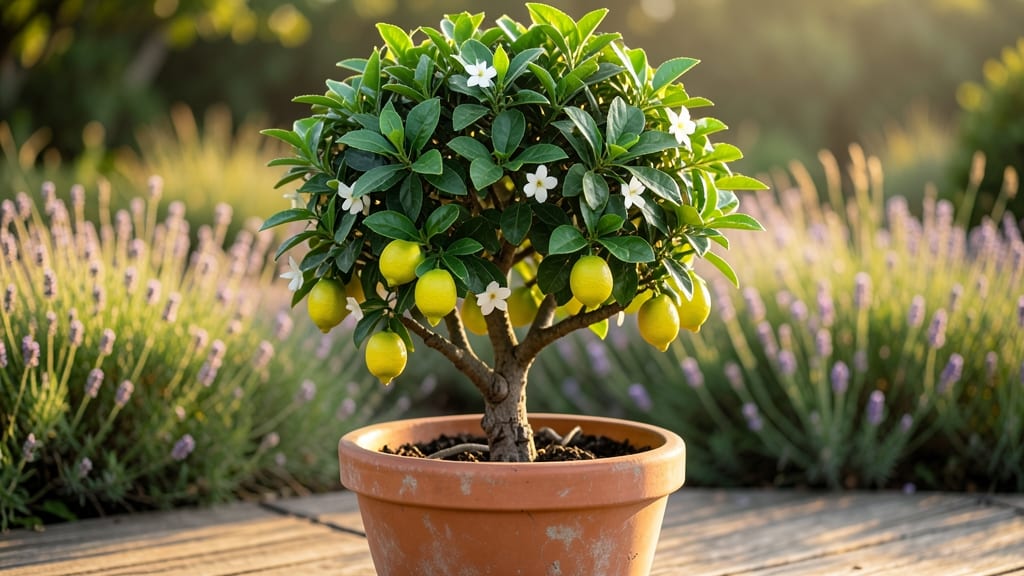
A dwarf lemon tree grows how tall does a dwarf lemon tree grow between 6 and 12 feet at maturity, making it the perfect citrus option for small spaces like patios or balconies 🍋.
If you dream of fresh lemons but lack space for a full-sized tree, dwarf lemon varieties could be your perfect solution—but how tall can you really expect them to grow?
Popular varieties like the 'Meyer' or 'Improved Meyer' stay on the shorter end, often maxing out around 8 feet, while others like 'Ponderosa' can reach closer to 12 feet with proper care.
Below, I’ll break down how sunlight, pruning, and container size influence height, plus tips to keep your tree at your ideal size while still enjoying a bountiful harvest.


Dwarf lemon tree height ranges by popular variety
If you're dreaming of a lemon tree that fits your patio or balcony but still produces plenty of fruit, you're in luck! Dwarf lemon trees are perfect for small spaces, but their mature heights can still vary significantly depending on the variety.
Understanding these differences helps you choose the right tree for your garden layout and care style. Most dwarf varieties stay between 6 to 12 feet tall at maturity, but some stay closer to 4 to 6 feet with proper pruning.
When selecting a dwarf lemon tree, consider not just height but also growth habits—some varieties grow wider while others stay more compact. Meyer lemons and their improved hybrids are among the most popular choices for home gardeners because they balance fruit production with manageable size.
Meanwhile, varieties like Ponderosa may grow taller but produce uniquely large, textured fruit. Let’s explore the height ranges and characteristics of the most beloved dwarf lemon varieties to help you make the best choice for your space.
Note: Heights listed below are for trees grown in ideal conditions (full sun, well-draining soil, and regular pruning). Container-grown trees may stay slightly shorter, while those planted in-ground can reach the upper end of the range.
| Variety | Mature Height Range | Growth Habit | Best For |
|---|---|---|---|
| Meyer Lemon | 6–10 feet | Upright, moderate spread | Patios, containers, small gardens |
| Improved Meyer Lemon | 5–8 feet | Compact, dense canopy | Balconies, urban gardens, pots |
| Ponderosa Lemon | 8–12 feet | Tall, wide-spreading branches | Larger patios, ground planting |
| Eureka Dwarf | 6–10 feet | Upright, slightly weeping | Traditional gardens, containers |
| Lisbon Lemon | 7–10 feet | Moderate spread, dense foliage | Mediterranean-style gardens |
| Femminello St. Teresa | 5–8 feet | Compact, bushy growth | Small spaces, containers |
| Villafranca Lemon | 6–9 feet | Upright, moderate width | Patios, small orchards |
| Four Seasons Lemon | 5–7 feet | Compact, prolific fruiter | Containers, indoor-outdoor growing |
The Meyer lemon and its Improved Meyer cousin are the most popular choices for home gardeners because they thrive in containers and produce sweet, flavorful fruit.
If you’re looking for a tree that stays under 6 feet tall, the Four Seasons Lemon or Femminello St. Teresa are excellent picks, especially for container growing.
Meanwhile, if you want a statement piece with larger fruit, the Ponderosa Lemon can reach up to 12 feet but requires more space to accommodate its wide branches.
For those with limited
Factors that influence dwarf lemon tree height growth
Your dwarf lemon tree might be smaller than its full-sized cousins, but its height still depends on several key factors. Understanding these variables helps you control growth and keep your tree at your desired size—whether that's a compact 6-foot patio tree or a slightly taller 10-foot ornamental specimen.
Let’s break down what truly influences how tall your dwarf lemon tree will grow.
First, pruning techniques play a massive role. Regular pruning not only shapes your tree but also encourages bushier growth instead of vertical stretching. I recommend pruning in late winter or early spring to remove overgrown branches and promote a fuller canopy.
Without pruning, even dwarf varieties can grow taller than expected, sometimes reaching 12 feet instead of their ideal 6-8 feet range.
Container size is another critical factor if you’re growing your dwarf lemon tree in pots. Smaller containers restrict root growth, which naturally limits how tall the tree can become. For optimal height control, choose a container that’s at least 18-24 inches wide—this gives roots enough space to spread without encouraging excessive upward growth. If you’re using a larger pot, be prepared for a taller tree over time.
- 🌱 Pruning: Regular pruning keeps height in check by promoting horizontal growth. Prune 2-3 times per year to maintain your desired height.
- 🪴 Container Size: Smaller pots = shorter trees. Use 18-24" pots for compact growth; larger pots allow taller growth.
- ☀️ Sunlight: Full sun (6+ hours daily) encourages faster growth. Partial shade slows height increase but may reduce fruit production.
- 💧 Watering: Overwatering can lead to leggy growth. Water deeply every 3-5 days but avoid soggy soil.
- 🌡️ Seasonal Variations: Growth slows in winter (USDA Zones 6-10). Prune in late winter to control springtime height spikes.
Don’t overlook the impact of sunlight exposure. Dwarf lemon trees thrive in full sun (6+ hours daily), which naturally speeds up growth. If your tree isn’t getting enough light, it may grow taller in an attempt to reach the sun, leading to a leggy, weak structure.
Place your tree near a south-facing window if indoors or in the sunniest spot outdoors. Just remember, more sun means faster—and potentially taller—growth.
Even the soil quality affects your tree’s height. Well-draining, nutrient-rich soil supports healthy growth, but poor soil can stunt your tree or cause it to stretch unnaturally.
I always recommend amending your soil with compost or citrus-specific fertilizer to ensure your tree gets the nutrients it needs without encouraging rapid vertical growth. A balanced 6-6-6 NPK fertilizer applied every 4-6 weeks during the growing season works wonders.
Finally, seasonal variations play a role in how tall your dwarf lemon tree grows. In warmer months, growth accelerates, while cooler seasons slow it down.
If you live in USDA Zones 6-10, your tree may experience a growth spurt in spring and summer but enter dormancy in fall and winter. Pruning in late winter helps reset growth patterns and keeps your tree from getting too tall too quickly.
By controlling these factors—pruning, container size, sunlight, soil, and seasonal care—you can steer your dwarf lemon tree’s height to match your space and vision. With the right approach, you’ll enjoy a perfectly sized tree that produces lemons year-round without taking over your garden or patio. Happy growing! 🌿