
Pruning
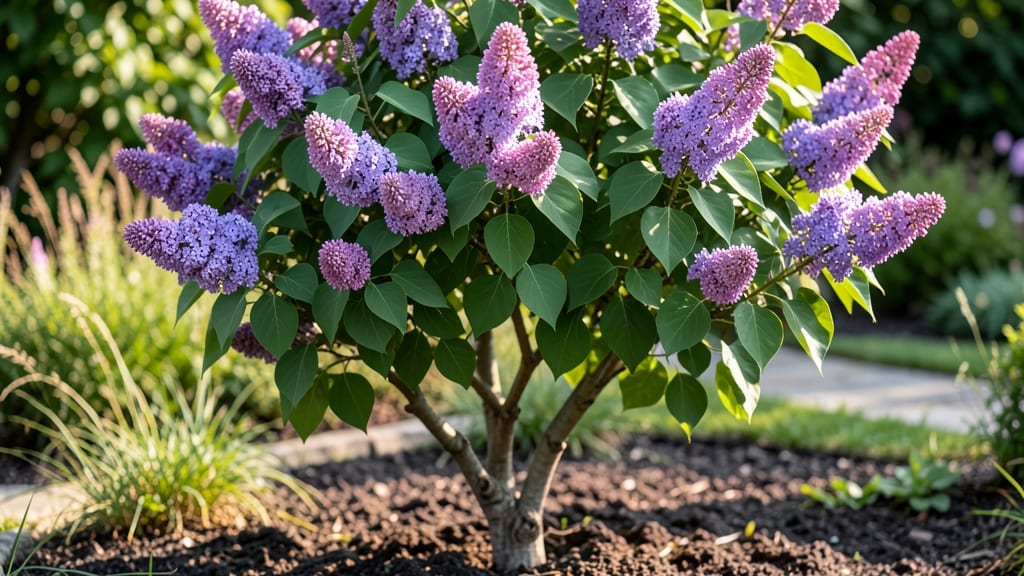
A lilac tree in a pot brings that unmistakable spring fragrance to your patio or balcony—if you prune it right. 🌸 I've learned the hard way that skipping the spring cleanup means fewer blooms and leggy branches, but with the right approach, your potted lilac can perfume the air for decades.
The secret lies in container size, soil drainage, and timing your cuts after the flowers fade.
Start with a 15-20 gallon pot (larger for mature trees) and well-draining soil mixed with compost. Lilacs hate soggy roots, so add perlite or sand to prevent rot. Place it where it gets 6+ hours of sun daily, though afternoon shade helps in hot climates.
Water deeply when the top inch of soil dries out—never let it sit in water.
Pruning transforms a wild, overgrown shrub into a neat, fragrant focal point. After blooming, trim back any dead wood, then cut the remaining branches by one-third to encourage dense growth.
For shape, remove crossing branches and thin out the center to improve airflow. The reward? Next spring's blooms will be even more abundant and intoxicating.
Winter care is critical—wrap the pot in burlap or move it to a sheltered spot if temperatures drop below 15°F. Mulch the soil surface to protect roots, and reduce watering once growth slows.
With these adjustments, your potted lilac will thrive for years, filling your space with that classic springtime scent every season.
📚 In This Guide
- What you need
- Instructions
- Tips and common mistakes
- Wrapping up and next steps
What you need
- ● Lilac tree (Lilac spp.) – Choose a dwarf variety (e.g., Lilac 'Munstead' or 'Katherine Havard') for container growing. Ensure it’s potted and nursery-ready (3–5 gallons).
- ● Pot – A 18–24-inch diameter container with drainage holes (terracotta or ceramic preferred).
- ● Well-draining potting mix – A blend of 60% high-quality potting soil, 30% perlite or coarse sand, and 10% compost.
- ● Slow-release fertilizer – 5–10–5 NPK ratio (e.g., Osmocote) for balanced nutrition.
- ● Pruning tools – Bypass pruners (sharp, clean) and loppers for thicker branches.
- ○ Pruning sealant – Optional but helpful (e.g., Tree Seal) to prevent disease on large cuts.
- ● Garden gloves – Protect your hands from thorns and sap.
- ● Watering can or hose with nozzle – For deep, even watering.
- ○ Mulch (optional) – 2–3 inches of bark mulch to retain moisture and regulate soil temp.
- ○ Support stake (optional) – If your lilac leans, use a 3–4 ft bamboo stake for stability.
- ○ Sunlight meter or app (optional) – To track light exposure for optimal placement.
How to grow a lilac tree in a pot for year-round fragrance
Here’s how I keep my lilac thriving in containers—with simple steps that preserve those signature blooms and keep the scent coming back every spring.
🪴 Step 1: Choose the Right Container and Drainage
Lilacs need room to grow, so aim for a pot at least 24 inches wide and deep—any smaller and roots will circle, stunting growth. I use glazed ceramic or heavy plastic because they retain moisture better than lightweight containers. Drill additional drainage holes if your pot doesn’t have them; lilacs hate soggy roots.
Place a 2-inch layer of gravel or broken pottery at the bottom to improve drainage. This prevents water from pooling at the roots, which causes rot. If you’re using a decorative pot without drainage, add a cache pot (a smaller pot with holes inside your decorative outer pot) to catch excess water.
🌱 Step 2: Plant Your Lilac with Proper Soil and Spacing
Fill the pot with a mix of 60% high-quality potting soil, 30% compost, and 10% perlite for aeration. Lilacs prefer slightly acidic to neutral soil (pH 6.0-7.0), so avoid garden soil—it compacts too much in containers. Dig a hole twice as wide as the root ball but no deeper than the top of the root flare (where roots meet the trunk).
Gently loosen the roots if they’re circling, then place the lilac in the hole and backfill with soil, pressing lightly to remove air pockets. Water deeply until it drains from the bottom. I always add a slow-release fertilizer (like 10-10-10) mixed into the soil—this gives the tree a steady nutrient boost without overfeeding.
☀️ Step 3: Position for Sunlight and Water Consistently
Lilacs crave full sun (6+ hours daily), but in hot climates, afternoon shade helps prevent leaf scorch. I place my potted lilac on a patio or deck where it gets morning sun and afternoon shade from nearby structures. If you’re in a shaded spot, choose a dwarf variety like ‘Little Leaf’ or ‘Miss Kim’—they tolerate lower light better.
Water deeply once a week (or more in extreme heat) until water runs out the drainage holes. Let the top 2 inches of soil dry out between waterings—overwatering is the fastest way to kill a potted lilac. Mulch the surface with 1-2 inches of bark chips to retain moisture and regulate soil temperature.
✂️ Step 4: Prune Strategically to Encourage Blooms
Here’s the key: Prune right after flowering (late spring to early summer) to shape the tree and promote next year’s blooms. Remove dead, crossing, or weak branches first, then cut back last year’s growth by ⅓ to encourage new flowering wood. Never prune in fall or winter—you’ll cut off next year’s flower buds.
If your lilac grows leggy, trim back one-third of the oldest stems at the base to rejuvenate it. I also lightly shape the tree in early spring by removing any suckers or water sprouts (those fast-growing, weak shoots). This keeps the tree compact and floriferous—no wild, unruly growth.
⏰ Step 5: Winter Care for Potted Lilacs
Before the first frost, move your potted lilac to a sheltered spot (like a garage or against a south-facing wall) where temps stay above 20°F. Wrap the pot in bubble wrap or burlap to protect roots from freezing. If you’re in a Zone 5 or colder, add a thick layer of mulch (4-6 inches) around the base to insulate roots.
Water sparingly in winter—just enough to keep soil from drying out completely. Overwatering in cold weather stresses the tree. In early spring, as new growth appears, resume regular watering and fertilizing. This winter prep ensures your lilac wakes up strong and ready to bloom again.
Tips & tricks for perfect potted lilac growth
These simple strategies will help you keep your container-grown lilac thriving—and smelling amazing—season after season.
Container Size Matters: The 24-inch minimum width and depth in Step 1 isn't just a suggestion—it's crucial for root development. I've seen lilacs in smaller pots struggle with stunted growth and poor blooming. If you're working with limited space, choose a dwarf variety like 'Miss Kim' and upgrade to a 18-inch pot as a compromise. The extra room prevents roots from circling, which leads to healthier plants overall.
Soil Mix Secrets: That 60-30-10 soil ratio in Step 2 works wonders because it balances drainage and moisture retention. For even better results, mix in a handful of worm castings when planting—they add beneficial microbes that help roots establish faster. And here's what nobody tells you: if your local potting soil is heavy or clay-based, add an extra 5% perlite to improve aeration. Lilacs hate soggy feet!
Watering Wisdom: The "deeply once a week" guideline in Step 3 is perfect for most climates, but there's a trick to it: always water in the morning so the soil has all day to dry out. I use a moisture meter to check the top 2 inches—if it reads dry, that's your cue. Overwatering is the silent killer of potted lilacs, so when in doubt, wait another day. And pro tip: use a watering can with a long spout to reach all corners of that large pot without disturbing the soil structure.
Pruning Precision: That ⅓ reduction of last year's growth in Step 4 might seem drastic, but it's what creates those lush, fragrant blooms year after year. Here's how I do it: I start by removing any dead or crossing branches first, then make my ⅓ cuts just above a leaf bud or lateral branch. This encourages outward growth rather than leggy stems. And remember—never prune in fall or winter, or you'll sacrifice next spring's flowers.
Pro Tips for Lilac Tree In Pot
- These simple strategies will help you keep your container-grown lilac thriving—and smelling amazing—season after season.
- Container Size Matters: The 24-inch minimum width and depth in Step 1 isn't just a suggestion—it's crucial for root development.
- Soil Mix Secrets: That 60-30-10 soil ratio in Step 2 works wonders because it balances drainage and moisture retention.
Frequently asked questions
Got questions about growing a lilac tree in a pot? You’re not alone! Here are answers to the most common concerns—from pruning to placement—to help your fragrant beauty thrive.
Can a lilac tree really grow well in a pot long-term?
A lilac tree can thrive in a pot for years, but it needs the right conditions. Choose a large container (at least 18–24 inches deep) with drainage holes and use well-draining potting mix. However, expect slower growth and more frequent pruning compared to in-ground plants. Pro tip: Repot every 2–3 years to refresh the soil!
When is the best time to prune a potted lilac?
Prune your lilac right after flowering (late spring to early summer) to encourage next year’s blooms. Avoid heavy pruning in fall or winter, as lilacs bloom on old wood. For potted lilacs, light shaping pruning in late winter (before buds swell) can also help maintain size. Warning: Never prune into woody stems—this can kill the plant!
Where’s the best spot to place a potted lilac for fragrance and health?
Lilacs love full sun (6+ hours daily) and a sheltered spot to protect them from harsh winds. Place them near patios, decks, or windows where you can enjoy their scent. Avoid low-light areas or spots with poor air circulation, which can lead to fungal issues. Bonus: Move pots to a shaded area during extreme heat (like 90°F+).
How often should I water a lilac tree in a pot?
Water when the top 1–2 inches of soil feel dry (usually every 5–7 days, more in summer). Potted lilacs dry out faster than in-ground plants, so check soil moisture regularly. Overwatering is riskier than underwatering—yellow leaves or mushy stems signal too much moisture. Drainage is key!
What’s a good alternative if my lilac isn’t thriving in a pot?
If your lilac struggles with pot life, consider these fragrant, container-friendly alternatives:
- Dwarf lilac varieties (e.g., ‘Miss Kim’ or ‘Little Leaf’)—compact and hardy.
- Mock orange (Philadelphus)—scented blooms, similar care.
- Jasmine (Trachelospermum)—evergreen, drought-tolerant, and fragrant.
- Lavender—low-maintenance, loves pots, and smells amazing!
Wrapping up and next steps
Growing a lilac tree in a pot is a rewarding way to enjoy its intoxicating fragrance year-round—with just a little care and strategic trimming! By choosing the right container, ensuring proper drainage, and mastering pruning techniques, you’ll keep your tree lush, healthy, and blooming beautifully.
The key is consistency: prune after flowering, monitor for pests, and give it the love it deserves.
Ready to elevate your garden? Start small—pick a sunny spot, grab your shears, and watch your lilac thrive! For even more tips, explore our pruning guide or join a local gardening community for inspiration. Happy growing! 🌸✂️