
Pruning
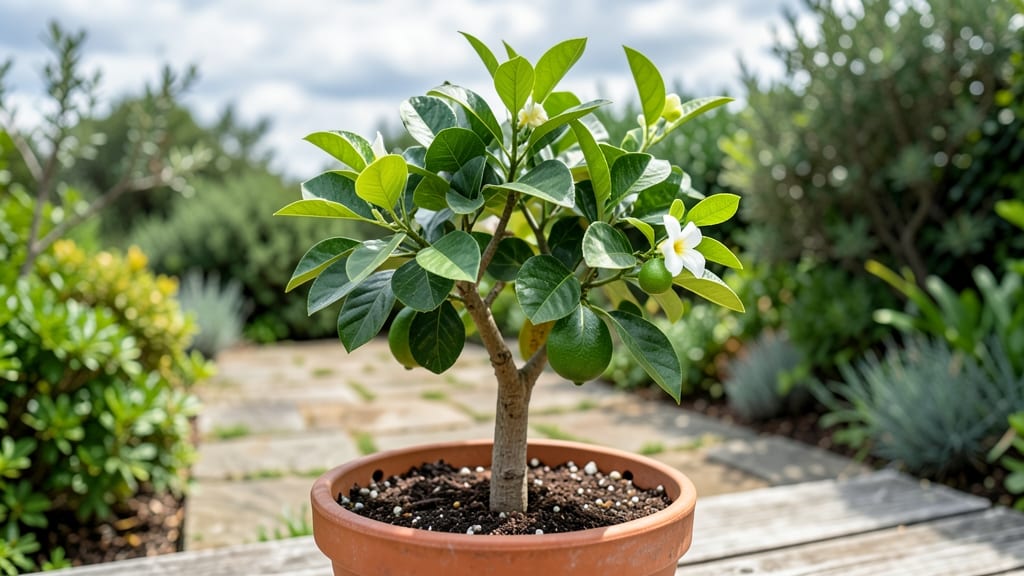
Growing a lemon tree starter from a sapling in just six weeks feels like magic—especially when you use cold stratification to jumpstart those stubborn roots. 🌱 I’ve tried every method, and this one works even for black thumbs like me, bypassing the years of waiting for seeds to sprout.
The secret lies in mimicking winter’s chill to wake up dormant growth before spring hits.
You’ll need a small pot, well-draining soil mix, and patience for just a few weeks of chilling. Most beginners overwater or skip the stratification step, but these two mistakes alone can stall growth for months.
The process is simple: layer your starter in moist soil, refrigerate for 3-4 weeks, then move it to bright, indirect light. Within six weeks, you’ll see roots forming and leaves unfurling.
By the time you transplant outdoors (after last frost), your lemon starter will be sturdy enough to handle real sunlight and occasional neglect.
The first harvestable fruit won’t come for years, but the journey starts with those first green shoots—proof that even citrus trees can grow from tiny beginnings with the right care.
Works for Meyer lemon saplings, Meyer lemon seeds, or even hardwood cuttings. Here’s how to avoid the pitfalls that trip up first-timers and keep your starter thriving through its first critical months.
📚 In This Guide
- What you need
- Instructions
- Tips and common mistakes
- Wrapping up and next steps
What you need
- ● Lemon seeds: 5–10 fresh, organic seeds (harvested from ripe lemons—avoid hybrids like Meyer lemons for best results).
- ● Paper towels or coffee filters: 2–3 sheets (for cold stratification).
- ● Plastic bag or airtight container: A resealable bag with a zipper (quart-sized works well).
- ● Water: Room-temperature, distilled or filtered (to avoid contaminants).
- ● Small pots or seed trays: 3–4 (3–4 inches deep) with drainage holes. Tip: Use biodegradable pots if transplanting directly into soil later!
- ● Potting mix: 1 bag of high-quality, well-draining seed-starting mix (avoid garden soil—it’s too dense!).
- ● Spray bottle: For gentle watering (keeps seeds moist without over-saturating).
- ● Refrigerator: A cold spot (like the crisper drawer) for stratification (4–6 weeks).
- ● Heat mat: To speed up germination once seeds are removed from the fridge (70–75°F is ideal).
- ● Grow lights: LED or fluorescent (12–16 hours/day) for seedlings before transplanting outdoors.
- ● Humidity dome or plastic wrap: To retain moisture during early growth stages.
- ● Fertilizer: A balanced, water-soluble fertilizer (5-5-5 or 10-10-10) for when seedlings sprout true leaves.
- ● Label markers: To track seed varieties and planting dates.
- ● Pruning shears: Small, sharp pair for trimming future growth (once your tree matures!).
Step-by-Step instructions for starting a lemon tree from seed
Here’s how I’ve successfully germinated lemon trees indoors—no greenhouse required.
🌱 Step 1: Extract and Prepare the Seeds
Cut open a fresh, organic lemon (the riper, the better) and remove the seeds. Rinse them thoroughly under cool water to remove any pulp—this prevents mold. I like to soak them in a bowl of water for 12 hours to soften the outer coating, which speeds up germination.
After soaking, place the seeds between two damp paper towels. Fold the towels to create a snug wrap, then put them in a sealed plastic bag. This keeps moisture consistent while allowing airflow. Store the bag in a warm spot (70-75°F) for 3-5 days. You’ll know they’re ready when tiny white roots peek through—this is your signal to move to the next step.
🌱 Step 2: Plant the Sprouted Seeds in Containers
Fill 4-inch pots with the sterile seed-starting mix (never garden soil—it’s too dense and can harbor fungi). Press the mix down lightly to create a firm but airy surface. Using a pencil or your finger, make a small hole—about ½ inch deep—for each seed. Gently place one seed in each hole, roots facing down.
Cover the seeds with ¼ inch of additional mix, then water lightly until the soil feels evenly moist. I use a spray bottle for this step to avoid disturbing the seeds. Place the pots in a shallow tray to catch any excess water, which could drown the seeds if left to pool.
💧 Step 3: Apply Cold Stratification for Strong Roots
This is the secret to success: cold stratification mimics winter conditions, which lemon seeds need to break dormancy. Place the potted seeds in a refrigerator (not the freezer) for 4-6 weeks. Keep them in a sealed plastic bag to maintain humidity, but check weekly to ensure the soil stays damp—not soggy.
After 4 weeks, transfer the pots to a bright, indirect light spot (like a north-facing windowsill). You’ll see the first true leaves emerge in 2-3 weeks—this is when the magic happens. The cold treatment ensures a robust root system before the tree enters active growth.
☀️ Step 4: Transition to Warmth and Sunlight
Once the seedlings show 3-4 true leaves, it’s time to move them to a sunny windowsill or under grow lights for 14-16 hours daily. Lemon trees need full sun to thrive, but direct midday sun can scorch young leaves. Start with morning sun only, then gradually introduce afternoon light over 7-10 days. You’ll notice the leaves darken and thicken as they adjust.
Water when the top inch of soil feels dry, but avoid letting the soil dry out completely. Overwatering at this stage is the #1 killer of young citrus trees. A moisture meter helps, but your finger works too—just press gently. If the soil springs back slowly, it’s time to water.
⏰ Step 5: Repot and Care for Long-Term Growth
After 6-8 weeks, when the seedlings reach 6-8 inches tall, transplant them into 6-inch pots with fresh citrus-specific potting mix. Lemon trees need well-draining soil to prevent root rot. Handle the seedlings gently—grasp the leaves, not the stem—to avoid damaging the fragile roots.
Continue watering when the soil dries out, but reduce frequency as the roots establish. Fertilize lightly with a balanced citrus fertilizer (5-5-5) every 4-6 weeks starting at 3 months old. You’ll know your lemon tree is thriving when it develops leathery, glossy leaves and begins branching out—this usually happens within 6-12 months.
Tips & tricks for perfect lemon tree germination
These little details make all the difference when you're growing citrus from seed.
Soaking Strategy: That 12-hour soak in Step 1 is crucial—it softens the seed coat and speeds up germination by breaking down natural inhibitors. I've found that using room-temperature water (around 70°F) works best. If you're impatient, you can soak for up to 24 hours, but don't exceed that or the seeds may absorb too much water and become waterlogged.
Root Check: In Step 1, when you're looking for those tiny white roots peeking through, don't be fooled by root hairs—you want to see actual roots that are about ¼ inch long. This visual cue tells you the seeds are ready for planting, not just starting to sprout. I've wasted seeds by planting too early, so this step can't be rushed.
Cold Stratification: The 4-6 weeks in the refrigerator during Step 3 is where the magic happens. I've tried skipping this step and found that germination rates drop dramatically without it. Keep the seeds in a sealed bag but don't overpack it—you want some airflow to prevent mold. If your fridge isn't cold enough (below 40°F), supplement with a cooling unit or move to a basement.
Light Transition: When moving your seedlings to sunlight in Step 4, start with just morning sun for the first 3-4 days. I've seen young leaves get sunburned when moved too quickly to full sun. The gradual transition helps them develop thicker, more resilient leaves that can handle direct sunlight later. Think of it like sunbathing—you wouldn't go from zero to full sun exposure either!
Pro Tips for Lemon Tree Starter
- These little details make all the difference when you're growing citrus from seed.
- Soaking Strategy: That 12-hour soak in Step 1 is crucial—it softens the seed coat and speeds up germination by breaking down natural inhibitors.
- Root Check: In Step 1, when you're looking for those tiny white roots peeking through, don't be fooled by root hairs—you want to see actual roots that are about ¼ inch long.
Frequently asked questions
How long does it take for a lemon tree starter to sprout roots?
With cold stratification (chilling seeds), you’ll typically see roots emerge in 4–6 weeks. Warmth speeds this up, but patience is key—some stubborn starters take up to 8 weeks. Keep the soil moist (not soggy) and monitor for tiny white roots peeking through the pot’s drainage holes!
Do I really need to cold-stratify lemon seeds?
Yes! Cold stratification mimics winter, breaking seed dormancy. Skip it, and your starter may never sprout. Place seeds in a sealed bag with damp peat moss in the fridge for 30–60 days before planting. Pro tip: Label your bag to avoid fridge mix-ups!
Can I use a lemon from the grocery store for a starter?
Store-bought lemons work, but avoid hybrid varieties (like Eureka or Lisbon)—they’re sterile. Opt for seed-bearing lemons (like Meyer lemons). Rinse seeds thoroughly, dry them, then stratify. Bonus: Save seeds from organic lemons for pesticide-free starts!
What if my lemon tree starter isn’t growing after 2 months?
Don’t panic! Check these fixes:
- Moisture: Overwatering = rot; underwatering = dormancy. Aim for consistently damp (not wet) soil.
- Light: Move to a sunny windowsill (6+ hours of light/day). Use a grow light if natural light is weak.
- Heat: Keep soil 70–85°F. A heat mat helps in cool climates.
- Patience: Some seeds take 6–12 months to sprout. If no roots appear, try a new batch!
Can I grow a lemon tree indoors year-round?
Yes! Lemon trees thrive indoors with proper care:
- Light: South-facing window or grow lights (12–14 hours/day).
- Humidity: Mist leaves or use a pebble tray to combat dry air.
- Size: Expect 3–6 feet tall indoors. Prune to control growth.
- Fruit: Indoor trees may take 3–5 years to bear lemons (vs. 1–2 years outdoors).
Pro tip: Rotate the pot weekly so the tree grows evenly toward the light!
Wrapping up and next steps
Growing your own lemon tree from a starter is an incredibly rewarding journey—one that combines patience, care, and a touch of magic! 🌱 With the right cold stratification techniques, you’ll be well on your way to nurturing a thriving plant in just six weeks.
Remember, every expert gardener started with a single seed or cutting, and your lemon tree starter is no different.
Now that you’re armed with the knowledge and tools, it’s time to take action! Start by gathering your materials, follow the steps with confidence, and soon you’ll be harvesting fresh lemons from your very own tree. Happy planting—and may your garden flourish! 🍋✨