
Container Gardens
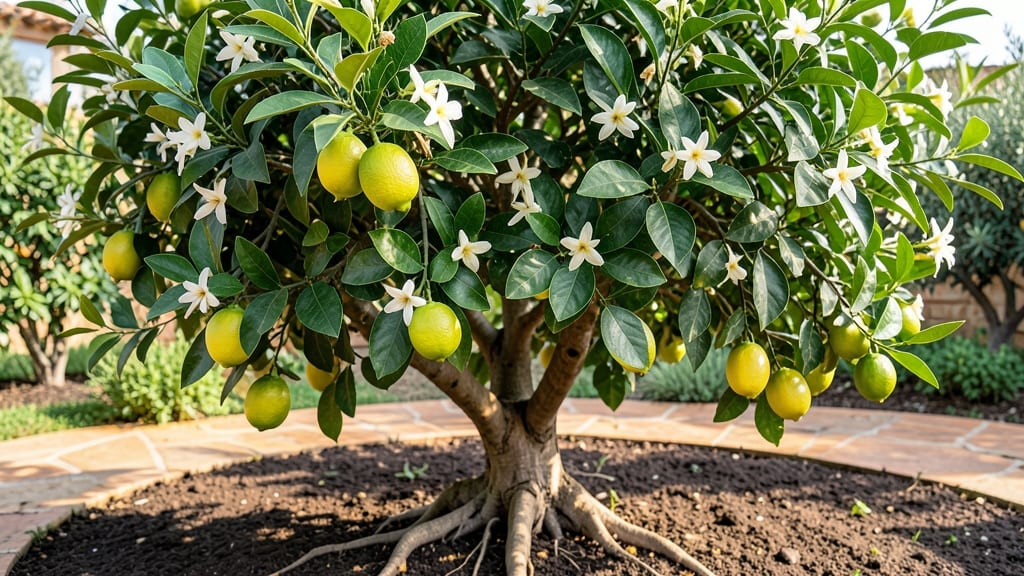
Growing a lemon tree indoors means you’ll never buy lemons again—if you nail the conditions. 🌿 The secret isn’t just sunlight; it’s the perfect mix of warmth, drainage, and humidity that mimics their Mediterranean home.
I’ve watched my tree go from a sad nursery sapling to a fruit-bearing powerhouse by following these exact rules. Start with a pot that drains like a champ—clay or terracotta—and fill it with a cactus/succulent mix blended with perlite.
Lemon trees hate soggy roots, so raise the pot on feet or use a cache pot to prevent waterlogging. Place it where it gets 6–8 hours of bright, direct light daily—south- or west-facing windows are ideal.
If your space is dim, supplement with a grow light for 12–14 hours a day. Once established, your tree will reward you with glossy, dark green leaves and fragrant white blossoms by spring.
The first lemons might take 2–3 years, but the journey is worth it—especially when you slice one fresh into iced tea on a hot afternoon. Just remember: these trees are frost-phobic, so keep them above 50°F at all times.
For container gardeners, repot every 2–3 years and fertilize lightly during spring/summer. If you’re planting outdoors in warm climates, choose a sheltered spot with afternoon shade to protect the fruit from sunburn. The payoff? A tree that thrives year-round and pays you back in zesty harvests.
📚 In This Guide
- What you need
- Instructions
- Tips and common mistakes
- Wrapping up and next steps
What you need
- ● Container: A well-draining pot (12-18 inches in diameter for dwarf varieties, larger for standard trees). Use terracotta, ceramic, or fabric grow bags to prevent root rot.
- ● Potting Mix: 10-15 gallons of a well-draining citrus-specific mix (or a blend of 60% potting soil, 30% perlite, and 10% sand). Avoid garden soil—it compacts and suffocates roots!
- ● Lemon Tree: A healthy nursery-grown sapling (choose dwarf Meyer lemon for containers—it stays compact and productive!). Look for 1-2 year old plants with no signs of pests or disease.
- ● Drainage Layer: 2-3 inches of gravel, pebbles, or broken pottery to improve drainage.
- ● Fertilizer: A balanced citrus fertilizer (e.g., 6-6-6 NPK ratio) or organic options like fish emulsion or composted manure. Start with 2-3 tablespoons per gallon of soil.
- ● Watering Can or Hose: With a gentle spray nozzle for even moisture distribution.
- ● Mulch: 1-2 inches of organic mulch (e.g., bark chips or straw) to retain moisture and regulate soil temperature.
- ● Slow-Release Fertilizer Pellets: Mix into soil at planting for 3-6 months of nourishment.
- ● Citrus-Specific Soil Amendments: Add pumice or vermiculite (10-15%) to improve aeration.
- ● Support Stake or Cage: For taller varieties to prevent toppling in windy conditions.
- ● pH Test Kit: To monitor soil pH (ideal range: 6.0-7.0 for lemons). Adjust with lime (to raise pH) or sulfur (to lower it) if needed.
- ● Humidifier or Peat Moss: If your climate is dry, add a humidity tray or mix 10% peat moss into the soil to retain moisture.
- ● Citrus-Friendly Pest Control: Neem oil or insecticidal soap for preemptive pest management.
How to create ideal lemon tree growing conditions
Here's the proven setup that transforms citrus seedlings into thriving fruit-bearing trees.
☀️ Step 1: Select the Perfect Sun Exposure
Lemon trees demand 6-8 hours of direct sunlight daily—no compromise here. A south-facing window or patio gets them closest to ideal conditions. I position mine within 4-6 feet of a large, unobstructed window during winter months when sunlight is weaker. Watch for leaves turning yellow along the edges—this is your first sign they're not getting enough light.
For outdoor growing, choose a spot with morning sun and afternoon shade during peak summer months to prevent leaf scorch. If you only have north-facing exposure, supplement with a 14-hour LED grow light positioned 12-18 inches above the tree. The goal is consistent 70-80°F temperatures—any cooler and growth slows dramatically.
🪴 Step 2: Prepare Well-Draining Soil Mix
Citrus trees hate soggy roots—well-draining soil is non-negotiable. I blend 50% premium potting mix with 30% perlite and 20% coarse sand to create the perfect aerated medium. This combination prevents root rot while allowing excess water to drain quickly. Fill your container to 1 inch below the rim—leaving space prevents overflow during watering.
For container growing, select pots with multiple drainage holes and at least 12 inches in diameter for dwarf varieties. If using garden soil, amend it with 2-3 inches of organic compost and a handful of garden lime to maintain pH 6.0-7.0. The soil should feel crumbly when squeezed—if it sticks together, add more perlite.
💧 Step 3: Establish a Consistent Watering Routine
Water lemon trees deeply but infrequently—this trains roots to seek moisture deeply. Stick your finger 2 inches into the soil; if it feels dry, water until liquid runs freely from the drainage holes. I water mine every 7-10 days during summer, reducing to every 2-3 weeks in winter when growth slows. Overwatering is the #1 killer—yellowing leaves with crispy edges signal you're drowning the roots.
Use room-temperature water to avoid shocking the plant. I always water in the early morning so excess moisture evaporates before evening. For container trees, place the pot in a saucer filled with gravel—this catches runoff while keeping roots elevated. Never let the tree sit in standing water longer than 30 minutes.
✂️ Step 4: Maintain Proper Humidity and Airflow
Lemon trees thrive in 50-70% humidity—indoor air is typically too dry. I place the pot on a pebble tray filled with water to create natural humidity around the base. Mist the leaves 2-3 times weekly during dry months, focusing on the undersides where most transpiration occurs. Watch for brown leaf tips—this is your cue to increase humidity immediately.
Good airflow prevents fungal diseases like citrus greening. Position a small oscillating fan nearby on low setting to mimic outdoor breezes. Rotate the tree quarter-turn weekly so all sides receive equal light and air circulation. Prune any crossing branches with clean, sharp pruners—this improves airflow to the center where fruit develops.
🌿 Step 5: Fertilize for Optimal Fruit Production
Feed lemon trees monthly during growing season (spring through fall) with a balanced citrus fertilizer (6-6-6 ratio). I use half-strength solution to prevent root burn—citrus trees are sensitive to salt buildup. In winter, reduce to every 6-8 weeks as growth slows. The key is consistency—never skip fertilizing once buds appear, as this fuels fruit development.
Look for deep green, glossy leaves as your sign of proper nutrition. Yellowing between veins indicates iron deficiency—this common issue responds to chelated iron spray applied every 2 weeks until leaves regain color. Flush the soil with plain water every 3 months to prevent fertilizer salts from accumulating in the root zone.
Tips & tricks for perfect lemon tree growing conditions
Took me years of trial-and-error to perfect these citrus-growing secrets—here's how to avoid my mistakes.
Lighting Strategy: Those critical 6-8 hours of sunlight must be direct and unfiltered. I've found that positioning your tree within 3-4 feet of a south-facing window during winter delivers the most consistent results. For indoor growers, invest in a full-spectrum LED grow light on a timer—citrus trees need that light cycle even when days are short. The 14-hour LED recommendation in Step 1 is non-negotiable; anything less triggers that dreaded yellowing along leaf edges.
Soil Texture Test: The 50-30-20 mix of potting soil, perlite, and sand creates the perfect balance, but here's the pro move: press a handful of your prepared mix—it should crumble easily between your fingers. If it forms a solid clump, add more perlite. I've seen beginners use too much sand, which actually drains too quickly and starves roots of moisture. The goal is a texture that holds just enough water while preventing root suffocation.
Watering Precision: That 2-inch soil check in Step 3 is your best friend, but timing matters just as much. I've ruined trees by watering in the evening—moisture trapped in leaves overnight creates the perfect environment for fungal infections. Stick to morning watering, and always use room-temperature water to avoid shocking the delicate root system. The 30-minute maximum for standing water is crucial; even citrus trees can't handle soggy conditions.
Fertilizer Timing: The monthly feeding schedule in Step 5 works wonders, but here's what nobody tells you: citrus trees actually need a 2-week break after transplanting before starting fertilizer. This gives roots time to establish before introducing nutrients. Also, that half-strength solution is essential—full-strength fertilizer burns roots faster than you'd think, and once burned, it's hard to recover.
Pro Tips for Lemon Tree Growing Conditions
- Took me years of trial-and-error to perfect these citrus-growing secrets—here's how to avoid my mistakes.
- Lighting Strategy: Those critical 6-8 hours of sunlight must be direct and unfiltered.
- Soil Texture Test: The 50-30-20 mix of potting soil, perlite, and sand creates the perfect balance, but here's the pro move: press a handful of your prepared mix—it should crumble easily between your fingers.
Frequently asked questions
Got questions about growing your own lemon tree?
You’re not alone! Here are answers to the most common queries—whether you're a container gardening newbie or a seasoned citrus enthusiast.
How long does it take for a lemon tree to bear fruit?
A lemon tree grown from seed can take 5–10 years to produce fruit, while grafted trees (like those sold at nurseries) may bear lemons in 2–4 years with proper care. Patience is key—focus on sunlight, water, and soil first! Pro tip: Dwarf varieties (like 'Meyer' lemons) fruit faster and are perfect for containers.
Can lemon trees survive winter in cold climates?
Lemon trees are tropical and thrive in USDA Zones 9–11. In colder areas, grow them in containers and move them indoors (near a sunny window or under grow lights) when temps drop below 40°F (4°C). Hardiness isn’t their strength—think of them as tender houseplants with a citrus twist!
How often should I water my lemon tree?
Water when the top 1–2 inches of soil feel dry—usually 2–3 times per week in summer, but reduce in winter. Overwatering is deadly! Ensure pots have drainage holes and use well-draining soil (like a mix of potting soil, perlite, and sand). Yellow leaves? Often a sign of overwatering or poor drainage.
Why aren’t my lemon tree’s leaves green?
Pale or yellow leaves usually mean nutrient deficiency (like iron or nitrogen) or overwatering. Try these fixes:
- Fertilize with a citrus-specific fertilizer every 2–3 months.
- Check for chlorosis (yellowing between veins)—common in alkaline soil. Add chelated iron or adjust pH with sulfur.
- Ensure 6+ hours of sunlight daily—lemon trees are sun-worshippers!
What’s the best container size for a lemon tree?
Start with a 5–7 gallon pot for young trees, then upgrade to 10+ gallons as they mature. Lemon trees have shallow but wide roots, so prioritize width over height. Use a pot with stable legs (they get heavy!) and drainage holes. Pro move: Repot every 2–3 years in spring to refresh soil.
Wrapping up and next steps
Growing a lemon tree thrives on sunlight, well-draining soil, and a little patience—but the rewards are oh-so-sweet! 🍋 With the right conditions, your container garden can flourish, offering fresh lemons and fragrant blooms year after year.
Now that you’re armed with the know-how, it’s time to roll up your sleeves and plant that first seedling.
Ready to take the next step? Start small—whether it’s a single potted tree or a full outdoor plot—and watch your green thumb grow! 🌱 Check out our guide on planting tips to kickstart your citrus adventure today.