
Trees
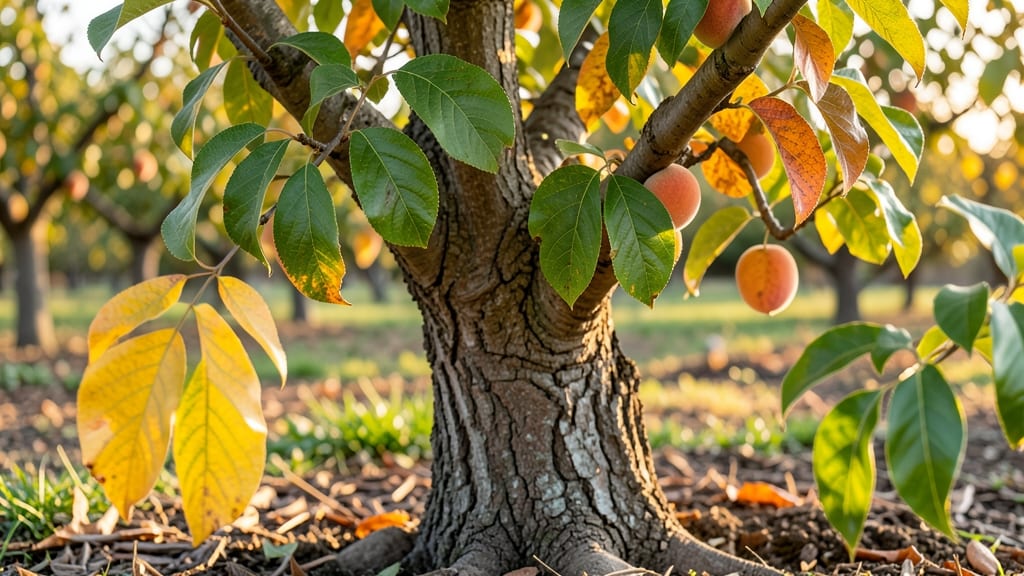
Your peach tree leaves turning orange could mean one of three things: a nutrient deficiency, environmental stress, or something more serious like disease. 🌱 I’ve seen this happen after a harsh winter or when soil nutrients get depleted—usually fixable with the right approach.
First, check the edges of leaves—if they’re crispy and orange, it’s likely iron or zinc deficiency. If the whole leaf turns orange and drops, it might be fungal stress or overwatering. The good news? Most cases respond quickly to targeted care.
Start by testing your soil (or grab a simple kit from the garden center) to confirm the issue. If it’s a deficiency, a balanced fertilizer with micronutrients will often revive the tree within 4-6 weeks.
For fungal concerns, prune affected branches and apply copper fungicide—just follow the label carefully.
📚 In This Guide
- What you need
- Instructions
- Tips and common mistakes
- Wrapping up and next steps
What you need
- ● Diagnostic tools: pH soil test kit (digital or liquid test strips)
- ○ Leaf tissue test kit (optional but helpful for precise nutrient analysis)
- ● Nutrient amendments: Iron chelate (1–2 lbs, water-soluble for quick absorption)
- ● Magnesium sulfate (Epsom salt, 1–2 lbs)
- ● Slow-release fertilizer (10-10-10 or 6-6-6, balanced NPK ratio, 5–10 lbs)
- ● Organic compost or well-rotted manure (5–10 gallons, for long-term soil health)
- ● Tools: Garden trowel or spade (for soil amendments)
- ● Hose with adjustable nozzle (for foliar spraying)
- ● Gloves (to protect hands from soil/chemicals)
- ● Mulch (2–3 inches of wood chips or straw, to retain moisture and regulate soil temp)
- ● Fungicide (copper-based or neem oil, if fungal issues are suspected)
- ● Rain barrel or watering can (for targeted irrigation)
- ● Pruning shears (to remove severely affected leaves)
How to diagnose and fix orange peach tree leaves
Turn those dull orange leaves back to vibrant green with these targeted solutions.
🌿 Step 1: Identify the Exact Cause of Discoloration
Start by examining the pattern of orange leaves—this tells you exactly what's wrong. If the discoloration begins on older leaves at the tree's base, you're likely dealing with magnesium deficiency (often called yellowing between veins). Newer leaves staying green while older ones turn orange? That's classic potassium deficiency.
Check the leaf undersides for tiny spider webs or sticky residue—those indicate pests like spider mites or aphids, which stress the tree and trigger premature leaf aging. Run your fingers along the stems: rough, crunchy bark suggests bacterial infection, which requires immediate action. Healthy leaves should feel smooth and flexible.
💧 Step 2: Adjust Watering and Soil Conditions
Orange leaves often signal water stress—either too much or too little. Dig a 6-inch deep hole near the tree's drip line. If the soil feels soggy or smells musty, you're overwatering. If it's bone-dry and crumbles easily, the tree needs deep watering twice weekly during dry spells. Aim for 1-1.5 inches of water per week, delivered slowly to encourage deep root growth.
For sandy soils, add 2-3 inches of organic mulch (like wood chips) to retain moisture. In clay soils, improve drainage by mixing compost into the top 6 inches of soil. The goal is to maintain even moisture—never let the tree sit in waterlogged conditions or suffer from drought stress. You'll know you're doing it right when the soil feels like a damp sponge when squeezed.
✂️ Step 3: Apply Targeted Nutrient Solutions
For magnesium deficiency, mix 1 tablespoon of Epsom salt into a gallon of water and apply it as a foliar spray or soil drench every 2 weeks until new growth appears. For potassium deficiency, use a balanced fruit tree fertilizer (like 10-10-10) at half-strength every 4-6 weeks during the growing season. Always water the soil thoroughly before applying fertilizers to prevent root burn.
If the tree shows signs of iron deficiency (yellowing between veins on younger leaves), apply chelated iron in early spring when the soil is still cool. Avoid high-nitrogen fertilizers—they can worsen nutrient imbalances. You'll see improvement within 4-6 weeks of consistent treatment, with new leaves emerging in their proper green hue.
☀️ Step 4: Monitor for Pests and Diseases
Inspect the tree for pests like aphids, mites, or scale insects, which suck sap and cause leaves to turn orange prematurely. Spray the tree with a neem oil solution (1 tablespoon per quart of water) on a calm day to avoid drift. Focus on the leaf undersides and new growth, where pests hide. Repeat every 7-10 days until the infestation clears.
If you spot fungal issues (like brown spots or powdery mildew), prune affected branches ¼ inch above the infection and dispose of them in the trash—not the compost. Apply a copper fungicide as a preventive spray every 2 weeks during wet seasons. Healthy trees develop a thick, waxy cuticle on leaves—if they feel slimy or develop lesions, act fast to restore balance.
⏰ Step 5: Plan Long-Term Tree Health Maintenance
Schedule annual soil testing in early spring to check pH and nutrient levels. Peach trees thrive in slightly acidic soil (pH 6.0-6.5)—if your test shows higher or lower, amend with sulfur (to lower pH) or lime (to raise pH) as needed. Spread 2-3 inches of compost around the tree's drip line every fall to replenish organic matter.
Prune the tree in late winter to remove dead, diseased, or crossing branches, improving airflow and sunlight penetration. Thin the canopy to let light reach the lower branches, where fruit develops. A well-maintained peach tree should produce vibrant green leaves by mid-spring—your reward for consistent care.
Tips & tricks for reviving peach tree foliage
Here's what nobody tells you about bringing back that vibrant green—before you give up on your tree.
Leaf Pattern Diagnosis: When you examine those orange leaves in Step 1, take a close look at the leaf veins. If the discoloration appears between the veins on older leaves, that's magnesium deficiency. But if the entire leaf turns orange while new growth stays green, you're dealing with potassium deficiency. This distinction is crucial because it tells you exactly which nutrient to target first. I once wasted a month treating magnesium issues when my tree actually needed potassium—don't make that mistake!
Water Testing Tip: In Step 2, when checking for water stress, there's a simple trick to test your soil's moisture level: squeeze a handful of soil. If water drips out immediately, you're overwatering. If it crumbles like sand, you need more water. The ideal soil should hold its shape when squeezed but still feel moist—not soggy. Remember, peach trees hate soggy roots but also can't tolerate drought stress. Aim for that "damp sponge" texture mentioned in the instructions—it's the goldilocks zone for root health.
Nutrient Application Strategy: For the Epsom salt solution in Step 3, I recommend applying it in the early morning when temperatures are cooler. This prevents rapid evaporation and gives the leaves time to absorb the magnesium before the heat of the day. When using the balanced fertilizer, apply it to moist soil—this helps prevent root burn. I've found that splitting the fertilizer application into two smaller doses (every 2 weeks instead of all at once) gives the tree time to absorb nutrients without overwhelming its system.
Pest Prevention: In Step 4, when dealing with pests, focus on the new growth areas first—they're where pests love to hide. Use a soft brush to gently dislodge any visible insects before spraying. For severe infestations, consider adding insecticidal soap to your neem oil solution (mix 1 tablespoon neem oil with 1 teaspoon insecticidal soap per quart of water). This two-pronged approach gives you better coverage against both soft-bodied and hard-shelled pests. Always spray on a calm day to prevent drift onto desirable plants or nearby water sources.
Pro Tips for Peach Tree Leaves Turning Orange
- Here's what nobody tells you about bringing back that vibrant green—before you give up on your tree.
- Leaf Pattern Diagnosis: When you examine those orange leaves in Step 1, take a close look at the leaf veins. If the d...
- Water Testing Tip: In Step 2, when checking for water stress, there's a simple trick to test your soil's moisture lev...
Frequently asked questions
Got questions?
Here are answers to the most common concerns about peach tree leaves turning orange—so you can diagnose and fix the issue fast!
Why are my peach tree leaves turning orange only on new growth?
Orange leaves on new growth often signal zinc or manganese deficiency, common in acidic or alkaline soils. These micronutrients are vital for chlorophyll production. Test your soil (pH 6.0–7.0 is ideal) and apply a chelated micronutrient spray or soil amendment. Organic options like seaweed extract or egg shells (crushed) can help too!
How long does it take for peach tree leaves to return to normal after fixing the issue?
With proper care, you’ll see improvement in 2–4 weeks for new leaves. Older leaves won’t revert—focus on preventing further spread. If the deficiency is severe, prune affected branches to redirect energy to healthy growth. Consistency is key: Repeat soil tests and treatments every 3–6 months to maintain balance.
Can orange leaves on my peach tree harm the fruit?
While orange leaves aren’t directly toxic to fruit, they’re a red flag for stress or nutrient imbalances that can reduce yield or quality. Poor nutrient uptake may lead to smaller peaches or lower sugar content. Address the issue immediately—healthy foliage = healthier fruit! Monitor for pests (like spider mites) too, as they worsen stress.
What’s the difference between orange leaves from deficiency vs. disease or pests?
Here’s a quick cheat sheet:
| Cause | Leaf Pattern | Other Signs |
|---|---|---|
| Nutrient Deficiency | Uniform orange/yellow between veins (new growth first) | Slow growth, small leaves; no spots or webbing |
| Bacterial Leaf Spot | Orange-brown spots with yellow halos | Wet spots on leaves, possible ooze; spreads fast |
| Spider Mites | Yellow stippling, orange-red undersides | Fine webbing, dry/crispy leaf edges |
If you spot spots, webbing, or ooze, treat with copper fungicide or neem oil—not just fertilizer!
Pro Tip: Can I use Epsom salt for orange peach tree leaves?
Yes! Epsom salt (magnesium sulfate) can help if orange leaves are due to magnesium deficiency (common in sandy soils). Mix 1 tbsp per gallon of water and spray leaves weekly for 4 weeks. But: If leaves are yellow with green veins, it’s likely iron or zinc—Epsom won’t cut it. Test first!
Wrapping up and next steps
Peach tree leaves turning orange can be a sign of stress, but with the right care, your tree can bounce back to vibrant health! 🌿 Whether it’s a nutrient deficiency, environmental factors, or pests, diagnosing the issue early and taking action—like adjusting soil pH, fertilizing, or pruning—can make all the difference.
Don’t wait for the problem to worsen; act now to restore your tree’s lush green foliage and ensure a bountiful harvest.
Next step: Grab your tools, follow the fixes you’ve learned, and give your peach tree the TLC it deserves. Happy gardening! 🌱