
How To
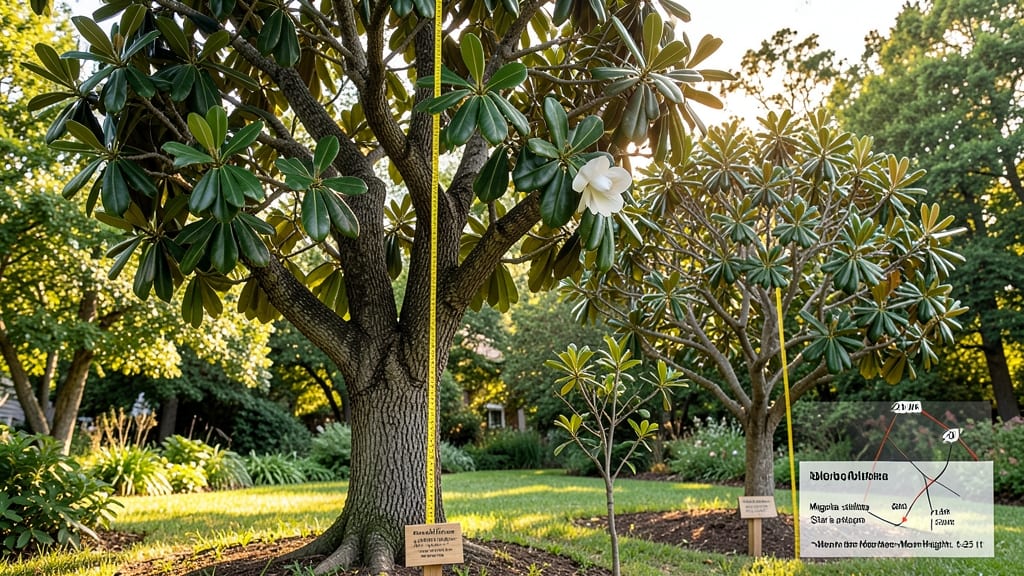
A magnolia tree can grow how tall it does anywhere from a compact 10 feet to a towering 80 feet, depending on the variety you choose.
Dreaming of a fragrant magnolia tree in your small yard but worried about its towering height? The good news is that some varieties stay compact while others reach sky-high—here’s how to choose the perfect fit for your space.
For example, the 'Little Gem' magnolia stays under 15 feet, making it ideal for tight spaces, while the Southern Magnolia can soar past 60 feet if left unchecked. Knowing the difference between these types helps you plan for long-term growth without sacrificing beauty.
In this guide, I’ll break down the height ranges of popular magnolias, share space-saving tips, and explain how pruning can keep even large varieties manageable—so you can enjoy your 🌳 without the worry.


Magnolia tree height guide: from dwarf to giant varieties
If you love the idea of a magnolia tree in your landscape but are concerned about its height potential, you're in the right place! Magnolias range from compact dwarf varieties under 10 feet to towering giants over 100 feet tall.
The key is choosing the right variety for your space while understanding how growth habits vary by species. Whether you have a small urban yard or a sprawling estate, there's a magnolia that fits—let's explore your options!
Most gardeners assume all magnolias become massive shade trees, but that couldn't be further from the truth. Dwarf magnolias like 'Little Gem' and 'Black Tulip' stay well under 20 feet, while standard varieties like 'Saucer' or 'Yellow Bird' reach 15-25 feet.
The Southern Magnolia, however, can soar to 80 feet tall—making it more suited for parks than suburban backyards. Let's break down these differences so you can make an informed choice.
Mature height is the most critical factor when selecting a magnolia, but don't forget to consider spread width too. Many magnolias develop wide canopies (sometimes 20-30 feet wide), which can encroach on sidewalks or neighboring plants. For example, while 'Little Gem' stays under 10 feet tall, its spread can reach 12 feet—so position it carefully away from structures. Always check both height and spread measurements when researching varieties.
One common misconception is that smaller magnolias produce fewer flowers, but that's not true! Dwarf varieties like 'Little Gem' and 'Teddy Bear' actually bloom abundantly each spring, often with larger-than-average flowers relative to their size.
The Black Tulip magnolia, for example, features dark purple blooms that contrast beautifully against its glossy leaves. These compact varieties are perfect for gardeners who want fragrance and beauty without sacrificing yard space.
For those with larger properties, the Southern Magnolia is a stunning but space-demanding choice. This iconic variety can reach 80 feet tall with a 50-foot spread, making it ideal for landscaping focal points in parks or rural settings.
Its leathery evergreen leaves and creamy white flowers create a dramatic statement, but be prepared for its aggressive growth habit and need for regular pruning to manage its size.
If you're unsure about a magnolia's final size, consider its growth rate. Fast-growing varieties like the Southern Magnolia can add 3-5 feet per year when young, while slower growers like 'Teddy Bear' might only gain 6 inches annually.
This difference means a 10-foot 'Teddy Bear' could take 15-20 years to reach maturity, while a Southern Magnolia might hit 20 feet in
Best space-saving Magnolia trees for small yards and containers
If you love the romantic blooms of magnolias but lack space for towering giants, don't worry—there are perfect compact varieties for your patio or balcony. These dwarf and semi-dwarf magnolias bring the same stunning flowers without overwhelming your landscape.
With heights ranging from 6 to 20 feet, they're ideal for containers or tight urban gardens while still making a dramatic statement.
When choosing a magnolia for small spaces, consider both mature height and growth rate. Some varieties grow slowly, staying manageable for years, while others may need regular pruning to control their size.
The key is selecting a type that matches your available space and maintenance preferences—whether you want a 6-foot shrub or a 15-foot tree with controlled pruning.
Top Space-Saving Magnolia Varieties
- Teddy Bear Magnolia (Magnolia 'Teddy Bear') – 6-8 ft tall, 6-8 ft wide. A dwarf evergreen with glossy leaves and white, saucer-shaped blooms in spring. Thrives in containers up to 20 gallons and tolerates partial shade.
- Saucer Magnolia (Magnolia 'Saucer') – 15-20 ft tall (with pruning), 10-15 ft wide. Produces large, fragrant pink blooms in early spring. Best for small yards with regular height control—prune after flowering to maintain shape.
- Yellow Bird Magnolia (Magnolia 'Yellow Bird') – 10-15 ft tall, 8-12 ft wide. A semi-dwarf with bright yellow cup-shaped flowers in late spring. Ideal for containers or small gardens with well-draining soil and morning sun.
- Little Gem Magnolia (Magnolia grandiflora 'Little Gem') – 20-25 ft tall (but narrower at 8-12 ft wide). A dwarf evergreen with glossy leaves and white summer blooms. Perfect for tight spaces like narrow yards or large containers.
For container growing, choose a large pot with drainage holes (at least 18-24 inches wide) and use a well-draining potting mix with compost. Water deeply when the top 2 inches of soil dry out, and fertilize lightly in spring and early summer with a balanced 10-10-10 fertilizer.
Place containers where they’ll get morning sun and afternoon shade to prevent leaf scorch.
Pruning is essential for controlling height, especially with faster-growing varieties like Saucer or Yellow Bird magnolias. Always prune immediately after flowering to avoid cutting off next year’s blooms.
Use clean, sharp pruners to make cuts just above a bud or branch collar, and remove no more than 20-30% of the canopy in a single session to avoid stressing the tree.
With the right variety and care, you can enjoy the romantic beauty of magnolias without sacrificing your small outdoor space. These compact options prove that big blooms don’t require big yards—just the right choices! 🌷