
Trees
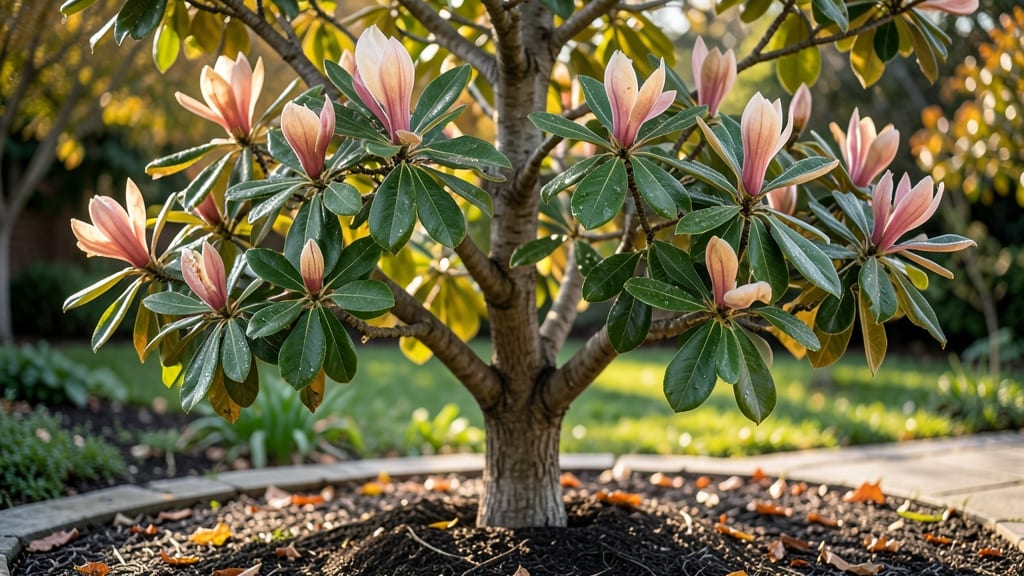
The saucer magnolia tree leaves should stay glossy all year, but mine once turned yellow and spotted—until I learned these simple fixes. 🌿 The secret lies in catching problems early, whether it's fungal spots, nutrient deficiencies, or pests hiding on the undersides.
Start by checking the undersides of leaves for tiny webs or pests, then prune affected branches before they spread. A mix of neem oil and water sprayed in early spring stops most fungal issues, while a balanced fertilizer keeps those deep green leaves vibrant through summer heat.
With just 10 minutes a month of inspection and care, your magnolia will reward you with bold, healthy foliage that outshines neighbors' trees. The key? Don't wait until fall—address issues when you first spot them, and those glossy leaves stay picture-perfect all season long.
📚 In This Guide
- What you need
- Instructions
- Tips and common mistakes
- Wrapping up and next steps
What you need
- ● Saucer magnolia tree (preferably Magnolia soulangeana, a cold-hardy variety with large, glossy leaves).
- ● Well-draining soil: Mix 1 part garden soil, 1 part compost, and 1 part perlite or sand (for optimal aeration).
- ● Planting container or hole: For container growth: A 15-20 gallon pot with drainage holes.
- ● For ground planting: A hole twice as wide as the root ball and equally deep.
- ● Mulch: 2-3 inches of organic mulch (e.g., shredded bark or wood chips) to retain moisture and regulate soil temperature.
- ● Watering can or hose with a gentle spray nozzle (for deep but infrequent watering).
- ● Pruning shears: Bypass pruners (sharp and clean) for shaping or removing dead branches.
- ● Fertilizer: Balanced, slow-release fertilizer (e.g., 10-10-10 or 20-20-20) applied in early spring.
- ○ Optional: Organic options like fish emulsion or compost tea for a natural boost.
- ● Soil pH tester (ideal pH: 5.0–6.0; magnolias prefer slightly acidic soil).
- ● Tree stakes and ties (if planting in windy areas to support young trees).
- ● Leaf shine spray (homemade mix of water + a few drops of dish soap to enhance glossiness).
- ● Pest monitoring tools (e.g., sticky traps for aphids or neem oil for natural pest control).
- ● Shade cloth (if planting in hot climates to protect young leaves from scorching).
How to care for saucer magnolia tree leaves for year-round beauty
Here’s how to keep those stunning glossy leaves thriving with just a few simple seasonal adjustments.
🌿 Step 1: Plant in the Right Spot for Maximum Leaf Health
Saucer magnolias love full sun to partial shade—at least 6 hours of direct light daily—but their thick, glossy leaves handle afternoon shade better than many other trees. I always plant mine where they’ll get morning sun and afternoon dappled shade, especially in hotter climates. The leaves stay vibrant longer when they’re not scorched midday.
Dig a hole twice as wide as the root ball but no deeper—this prevents water pooling around the roots. Amend the native soil with 2-3 inches of compost mixed into the bottom of the hole. The goal is well-draining soil that retains moisture without staying soggy. You’ll see the difference in leaf color within a season if the soil is too dense or waterlogged.
💧 Step 2: Water Deeply but Infrequently to Preserve Leaf Luster
Newly planted saucer magnolias need 1-2 gallons of water every 5-7 days during the first growing season. After that, they’re drought-tolerant once established, but their leaves stay glossiest when watered deeply once a week rather than shallow daily sprinkles. Water at the base, avoiding the foliage—wet leaves can develop fungal spots over time.
Check soil moisture by sticking your finger 2 inches deep. If it feels dry, water again. Mulch with 2-3 inches of organic mulch (like shredded bark) around the base, keeping it 6 inches away from the trunk. This conserves moisture and prevents soil-borne diseases that dull leaf shine.
☀️ Step 3: Prune Strategically to Encourage Dense, Glossy Foliage
Prune saucer magnolias immediately after flowering (late spring) to avoid cutting off next year’s blooms. Remove any dead, crossing, or inward-growing branches first—these compete for nutrients and weaken the tree. Use clean, sharp pruners to make cuts just outside the branch collar for the cleanest healing.
Thin out the canopy slightly if branches are too dense, as this improves airflow and prevents diseases that cause leaf yellowing. Never prune more than 25% of the canopy at once, or the tree will struggle to regrow leaves with the same glossy finish. You’ll notice new growth emerging with a richer green hue within a few weeks.
✂️ Step 4: Fertilize Lightly to Maintain Leaf Quality
Feed saucer magnolias in early spring with a balanced, slow-release fertilizer (like 10-10-10) applied at half the recommended rate. Over-fertilizing leads to soft, pale leaves that lose their signature gloss. Spread the fertilizer 6 inches from the trunk and water it in deeply to avoid root burn.
In subsequent years, a light application of compost in spring is often enough. Avoid high-nitrogen fertilizers—they promote leafy growth at the expense of flower buds. If you notice older leaves yellowing at the edges, it’s a sign of over-fertilization or poor drainage, not a lack of nutrients.
🪴 Step 5: Protect Leaves Through Seasonal Changes
Saucer magnolias are hardy, but their glossy leaves can get damaged by late spring frosts or winter salt spray in urban areas. If frost is forecasted after buds swell, cover the tree with a lightweight frost cloth—never plastic, which traps heat and burns leaves. Remove the cloth as soon as temperatures rise.
In winter, rake away fallen leaves and debris to prevent fungal buildup. If you live in a cold climate, mulch 4-6 inches deep around the base for insulation. The leaves stay healthier through winter if the roots aren’t shocked by temperature swings. You’ll see fewer browned or damaged leaves come spring if you take these precautions.
Tips & tricks for perfect saucer magnolia leaf care
These simple secrets will help you maintain that signature glossy foliage all year long with minimal effort.
Location is Everything: The morning sun and afternoon shade combo is non-negotiable for those high-gloss leaves. I learned this the hard way after watching my first magnolia's leaves dull in a full-sun spot. If you're in a hot climate, consider planting on the east side of your home where morning light won't scorch the leaves before afternoon shade kicks in.
Soil Prep Matters More Than You Think: That 2-3 inches of compost in Step 1 isn't just filler—it creates the perfect balance of drainage and moisture retention. I recommend mixing in a handful of perlite or coarse sand if your native soil is particularly dense. This prevents that dreaded waterlogged condition that turns leaves yellow and mushy within weeks.
Watering Wisdom: The 2-inch deep soil check is your best friend. I've seen people water every day and still have dry soil because they weren't checking deep enough. For newly planted trees, split that 1-2 gallon range—give 1 gallon if it's been raining, 2 gallons if it's been dry. The key is consistent moisture without soggy roots.
Pruning Precision: When you're thinning that canopy in Step 3, aim to remove branches that are growing toward the center of the tree. These compete for sunlight and nutrients, which directly impacts leaf gloss. I always make my cuts just outside the branch collar—this ensures the tree heals cleanly and doesn't develop those unsightly stubs that can harbor disease.
Pro Tips for Saucer Magnolia Tree Leaves
- These simple secrets will help you maintain that signature glossy foliage all year long with minimal effort.
- Location is Everything: The morning sun and afternoon shade combo is non-negotiable for those high-gloss leaves. I le...
- Soil Prep Matters More Than You Think: That 2-3 inches of compost in Step 1 isn't just filler—it creates the perfect ...
Frequently asked questions
Got questions about saucer magnolia tree leaves?
You’re not alone! Here are answers to the most common queries—from care tips to troubleshooting—so you can keep your tree thriving with confidence.
When do saucer magnolia leaves turn color in fall?
Saucer magnolia leaves (Magnolia soulangeana) typically hold their deep green, glossy hue until late fall, often lasting into November or even December in mild climates. Unlike some maples or oaks, they rarely produce vibrant autumn colors—instead, they fade to a muted brown before dropping. Pro tip: If leaves yellow prematurely, check for nutrient deficiencies or overwatering!
Why are my saucer magnolia leaves curling or browning at the edges?
Curling or crispy edges usually signal stress. Common culprits include:
- Underwatering: Saucer magnolias prefer consistently moist (but not soggy) soil. Test the top 2 inches—if dry, water deeply.
- Overwatering: Yellowing leaves + soggy soil = root rot risk. Ensure well-draining soil and improve aeration with mulch.
- Pests: Spider mites or scale insects can cause browning. Spray leaves with water or use neem oil if infested.
- Sunburn: Young trees in hot climates may scorch. Provide afternoon shade until established.
Rule out one issue at a time for the fastest fix!
Do saucer magnolia leaves freeze in winter?
Saucer magnolias are deciduous but surprisingly cold-hardy (zones 4–9). Their leaves will drop in winter, but the tree itself stays dormant. New leaves emerge in early spring—often before flowers! For extra protection in harsh winters, mulch the base with 2–3 inches of organic material (like shredded bark) to insulate roots.
Can I prune saucer magnolia leaves or branches in summer?
Prune only in late winter or early spring (before buds swell) to avoid stressing the tree. Summer pruning can:
- Stunt flower production (saucer magnolias bloom on old wood!).
- Invite pests or diseases through fresh cuts.
If you must trim, remove dead or crossing branches with clean cuts—just avoid heavy shaping. Pro tip: Sterilize pruners with rubbing alcohol to prevent bacterial spread!
What’s a good alternative tree if I want glossy leaves but less mess?
If saucer magnolia’s leaf drop bothers you, consider these low-maintenance, evergreen (or nearly evergreen) options:
Tree
Leaf Type
Care Level
Camellia
Dark green, leathery, semi-evergreen
Moderate (prefers acid soil, partial shade)
Leyland Cypress
Scale-like, glossy, evergreen
Low (fast-growing, drought-tolerant)
Japanese Holly
Spiky, deep green, evergreen
Very low (thrives in poor soil, full sun)
For a deciduous but tidy look, try serviceberry—its small leaves drop cleanly and it offers spring flowers + berries!
Wrapping up and next steps
The saucer magnolia tree is a stunning, low-maintenance addition to any landscape, offering year-round glossy leaves that brighten up gardens with minimal effort. Whether you're drawn to its fragrant blooms, disease-resistant foliage, or easy care, this tree delivers beauty without the hassle.
Ready to transform your outdoor space? Start by selecting the perfect spot and planting your saucer magnolia today—your garden will thank you! 🌿✨