
How To
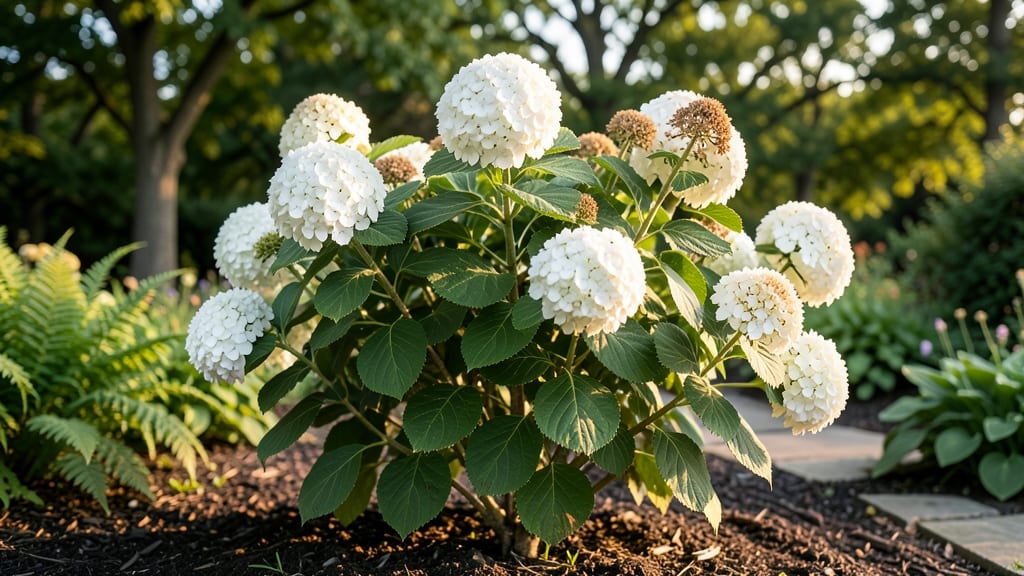
A hydrangea tree can grow how tall it does depending on the variety and how you care for it—anywhere from 3 feet to towering 15 feet or more.
Picture this: You plant a hydrangea tree 🌸 in your yard, dreaming of a lush, blooming centerpiece—only to realize it’s either dwarfing your patio or barely reaching waist height. The difference? Variety, pruning, and a little patience.
Some hydrangeas, like the compact Hydrangea arborescens, stay under 6 feet, perfect for small gardens, while others, such as the grand Hydrangea paniculata, can stretch to 20 feet if left unchecked.
The good news? With the right pruning and care, you can steer your tree’s height toward your ideal vision.
In this guide, I’ll break down the exact height ranges for popular types, how to control growth through pruning, and which varieties suit your space—so you can grow the perfect hydrangea tree, no surprises included.


Hydrangea tree height ranges by popular varieties (with exact measurements)
Choosing the right hydrangea tree for your space starts with understanding their mature height ranges. Some varieties stay small enough for containers, while others grow tall enough to become stunning focal points in large landscapes.
The key difference lies in their genetic growth habits, which determine whether you'll need a ladder to prune or can simply reach up to trim.
Most hydrangea trees fall into three height categories: dwarf (3–6 ft), medium (6–12 ft), and tall (12–20+ ft). Your climate, soil quality, and pruning habits can influence final height by up to 20% in either direction.
For example, a Limelight hydrangea might max out at 8 feet in a cool northern climate but stretch to 12 feet in a warm southern zone.
| Variety | Mature Height | Growth Habit | Best For |
|---|---|---|---|
| Mini Penny® | 3–4 ft | Compact, rounded | Containers, small gardens |
| Endless Summer® | 4–5 ft | Bushy, multi-stemmed | Foundation planting |
| Limelight® | 8–12 ft | Upright, pyramidal | Privacy screens, large yards |
| Annabelle® | 3–5 ft | Bushy, dome-shaped | Border planting |
| Grandiflora (e.g., 'Nikko Blue') | 6–10 ft | Multi-stemmed, arching | Shade gardens, mixed borders |
| Panicle (e.g., 'Little Lime') | 4–6 ft | Compact, conical | Patio containers, small spaces |
| Oakleaf (e.g., 'Snow Queen') | 10–15 ft | Upright, spreading | Woodland gardens, large estates |
| PeeGee® | 12–18 ft | Tall, conical | Privacy hedges, large landscapes |
| Vanille Fraise® | 5–7 ft | Bushy, rounded | Cut flower gardens |
| Firelight® | 6–8 ft | Upright, vase-shaped | Mixed borders, shrub beds |
The Mini Penny® hydrangea is one of the smallest varieties, perfect for container gardening or small patios. Its 3–4 foot height makes it ideal for window boxes or as a
How to control hydrangea tree height through pruning & care
Controlling your hydrangea tree height starts with understanding its natural growth patterns. Some varieties like Hydrangea paniculata can grow up to 15-20 feet if left unchecked, while others like Hydrangea arborescens 'Annabelle' stay compact at 3-5 feet.
The key is pruning at the right time and using proper care techniques to guide growth.
Seasonal pruning is essential—late winter or early spring is ideal for most hydrangeas. This timing ensures you remove old wood while encouraging new, controlled growth.
For panicle hydrangeas, prune in late winter to shape the tree, while oakleaf hydrangeas benefit from pruning in early spring to avoid removing flower buds.
⚠️ callout warning
⚠️ Mistake Alert: Over-Pruning Hydrangeas
Never cut back more than 1/3 of the plant's height in a single pruning session. Hydrangeas are sensitive to drastic cuts, which can stunt growth or prevent blooming. Panicle hydrangeas are more forgiving, but bigleaf varieties need gentle pruning to avoid stress.
For dwarf varieties, avoid heavy pruning entirely—focus on shaping with light trims after flowering. Over-pruning can lead to leggy growth or no blooms the following year.
To encourage compact growth, use renewal pruning—cutting back 1/2 to 2/3 of the oldest stems to the ground in early spring. This method promotes thicker, bushier growth. For taller hydrangeas, prune the topmost branches to reduce height incrementally over 2-3 years.
Soil and nutrients play a critical role. Well-draining, acidic soil (pH 5.0-6.0) supports healthier growth. Add organic compost annually to improve soil structure and provide slow-release nutrients. Avoid high-nitrogen fertilizers, which encourage leafy growth over flowers. Instead, use a balanced 10-10-10 fertilizer in early spring.
Watering habits also impact height. Deep, infrequent watering (1-2 inches per week) encourages deeper root systems, which stabilize the plant and reduce top-heavy growth. Mulch around the base with 2-3 inches of organic mulch to retain moisture and regulate soil temperature, further supporting controlled growth.
Finally, monitor your hydrangea tree’s growth throughout the season. If branches grow too long or leggy, pinch back tips in early summer to promote bushier growth. For overgrown trees, spread pruning cuts over multiple years to avoid shocking the plant.
With patience and consistent care, you’ll achieve the perfect height for your space! 🌿