
Pruning
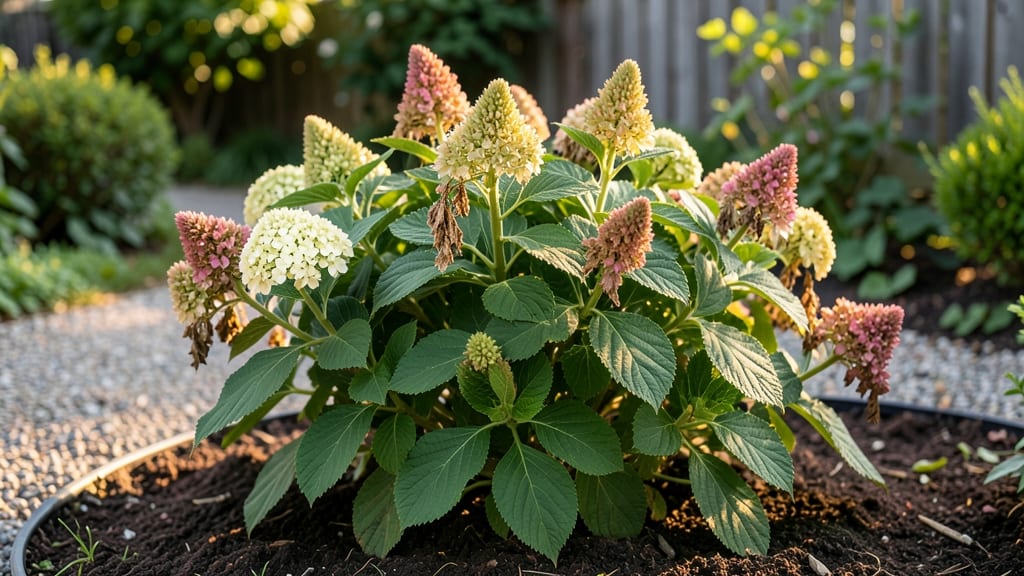
Fall is when hydrangea trees reveal their true magic—if you prune them right. ✨ The right cuts now mean bigger blooms next spring, while wrong moves can leave you with bare branches by summer. I’ve learned the hard way that timing matters more than technique.
Start by deadheading faded blooms, then focus on shaping the tree before the first frost. Use clean pruners to trim back overgrown branches by one-third—never more than that.
The goal is to encourage fresh growth while keeping the tree’s natural form. Mulch heavily around the base to protect roots from freezing.
By winter, your hydrangea will look like a well-groomed sculpture, ready to burst into color come spring. The leaves will turn stunning shades of gold and crimson, and the structure will stay strong through snow and ice. This is the secret to hydrangeas that thrive for decades.
Works for all hydrangea varieties—smooth, panicle, or oakleaf—just adjust the pruning style. For oakleaf types, leave some seed heads for winter interest. Now grab those shears before the weather turns!
📚 In This Guide
- What you need
- Instructions
- Tips and common mistakes
- Wrapping up and next steps
What you need
- ● Bypass pruners – Sharp, clean pruners (1 pair) for cutting smaller branches (up to ½ inch in diameter).
- ● Loppers – Heavy-duty loppers (1 pair) for thicker branches (½ to 1½ inches in diameter).
- ● Pruning saw – A fine-toothed saw (1) for larger branches (over 1½ inches in diameter).
- ● Gloves – Heavy-duty gardening gloves (1 pair) to protect your hands from thorns and sap.
- ● Disinfectant (70% isopropyl alcohol or bleach solution) – To sterilize tools between cuts and prevent disease spread.
- ○ Pruning sealant (optional but helpful) – A fast-drying sealant (small bottle) to coat larger cuts and reduce sap loss.
- ● Bucket or bag – For collecting pruned branches (1-2, depending on tree size).
- ● Ladder or step stool – If your hydrangea tree is tall (adjustable height, 6-10 feet, depending on your tree).
- ● Handheld leaf blower or broom – To clear debris from the work area.
- ● Safety glasses – Protect your eyes from flying debris.
- ● Notebook & pen – To sketch a quick pruning plan or note cuts you’ve made.
- ● Long-sleeved shirt & pants – For extra protection from thorns and sap.
- ● Tree tie or zip ties – If you need to support weak branches temporarily.
Instructions for late-season hydrangea tree pruning
Fall is the perfect time to refresh your hydrangea tree—here’s how to do it right.
✂️ Step 1: Assess the Tree’s Current Health
Start by examining your hydrangea tree closely. Look for dead, diseased, or crossing branches—these are the first to go. Dead branches are brittle and snap easily when bent, while diseased ones may have blackened stems or odd growths. Crossing branches rub against each other, creating wounds that invite pests and disease.
I like to use a small pruning knife to gently scrape a few spots on suspicious branches. If green underneath, it’s still alive; brown or mushy means it’s time to cut. Mark these branches with a piece of twine or tape so you don’t miss them later. This step ensures you’re only removing what truly needs to go, preserving the tree’s energy for next year.
✂️ Step 2: Remove Dead, Diseased, and Problem Branches
Using clean, sharp bypass pruners, cut out the marked branches at their base. For larger branches, make the cut just outside the branch collar—the swollen area where the branch meets the trunk. Avoid leaving stubs, as they can rot and attract pests. If a branch is too thick for your pruners, use a handsaw with a fine-tooth blade to avoid tearing the bark.
After each cut, wipe your pruners with rubbing alcohol to prevent spreading disease. Focus on thinning out the center of the tree to improve airflow—hydrangeas hate crowded, damp conditions. You’ll notice the tree’s structure opening up, which is exactly what you want for winter resilience.
🌿 Step 3: Shape for Balance and Airflow
Now it’s time to refine the tree’s shape. Step back and visualize the ideal form—most hydrangea trees benefit from a slightly rounded silhouette. Remove any branches that grow inward or downward, as these can create a dense, shaded center. Aim to keep the outer branches slightly higher than the inner ones to encourage an open, airy structure.
For larger branches, make your cuts at a 45-degree angle just above an outward-facing bud. This encourages new growth in the right direction. If you’re unsure which way a bud faces, run your finger along the branch—buds on the underside will grow downward. This step is all about setting your tree up for strong, healthy growth next spring.
⏰ Step 4: Clean Up and Prepare for Winter
After pruning, rake up all the fallen leaves and debris from around the base of the tree. This reduces hiding spots for pests and fungal spores over winter. If you notice any signs of disease on the ground, like mold or strange discoloration, dispose of the debris in the trash—not the compost bin.
Give the tree a final check for any lingering issues, like spider mites or scale insects. A strong blast of water from the hose can dislodge many pests, and a light application of horticultural oil (if needed) can help protect the tree through the colder months. Now, step back and admire your work—your hydrangea tree is ready to rest and recharge for next year’s bloom.
Tips & tricks for perfect fall hydrangea tree pruning
Let me save you from the frustration I went through—these are the hard-won lessons that’ll make your hydrangea tree pruning a success this fall.
Health Check Pro Tip: In Step 1, when you're testing branches with your pruning knife, pay attention to the smell too—rotten or musty odors are a dead giveaway for diseased wood. I once missed a branch with a faint sour smell and ended up with fungal spots the next spring. Trust your nose!
Cutting Technique: For larger branches in Step 2, take your time with the 45-degree angle cut—this isn't just about looks. A proper sloping cut helps water run off the wound instead of pooling, which dramatically reduces the risk of rot. If you're shaky with the angle, practice on a scrap piece of wood first. Precision here pays off in winter survival rates.
Shape Strategy: During Step 3's shaping, think of your tree like a sculpture—you're removing material to reveal the form underneath. I like to step back every few cuts and squint one eye to check for symmetry. The goal is to create a natural, balanced silhouette that still lets light penetrate to the center. This open structure is what prevents those dreaded winter dieback issues.
Cleanup Wisdom: Don't toss those pruned branches in your compost pile! In Step 4, bag up all the debris—especially if you noticed any disease signs. I've seen healthy trees get reinfected through composted diseased branches. A thick plastic bag with a tight knot is your best defense against spreading problems over winter.
Pro Tips for Hydrangea Tree In Fall
- Let me save you from the frustration I went through—these are the hard-won lessons that’ll make your hydrangea tree pruning a success this fall.
- Health Check Pro Tip: In Step 1, when you're testing branches with your pruning knife, pay attention to the smell too—rotten or musty odors are a dead giveaway for diseased wood.
- Cutting Technique: For larger branches in Step 2, take your time with the 45-degree angle cut—this isn't just about looks.
Frequently asked questions
Got questions about keeping your hydrangea tree vibrant through fall?
Here are some of the most common concerns—and their answers—to help you prune with confidence and care.
When is the best time to prune a hydrangea tree in fall?
Prune your hydrangea tree after it blooms in late summer or early fall (August–October), but avoid cutting back after the first hard frost. This timing ensures you don’t remove next year’s flower buds. For cold climates, wait until spring if heavy frost is expected.
Can I prune a hydrangea tree too much in fall?
Yes! Over-pruning in fall can stress the tree and reduce next year’s blooms. Stick to 1/3 of the plant’s height max and focus on removing dead, diseased, or crossing branches. Hydrangeas thrive on patience—light pruning is better than aggressive cuts.
Will pruning in fall affect my hydrangea tree’s winter survival?
Pruning in fall won’t harm winter hardiness if done correctly. Just avoid heavy cuts that expose the center to cold winds. After pruning, apply a 2–3 inch layer of mulch around the base to insulate roots and retain moisture.
What if my hydrangea tree doesn’t bloom after fall pruning?
If blooms are sparse, check your pruning timing—some varieties (like Hydrangea paniculata) bloom on new wood and tolerate fall cuts, while others (like H. macrophylla) bloom on old wood and need spring pruning. Adjust next year’s schedule based on your tree’s type.
Are there alternatives to pruning if I’m not confident?
If pruning feels overwhelming, try selective shaping instead of full-size cuts. Remove only dead or misplaced branches and let the tree’s natural form guide you. For large trees, hire a professional arborist—safety first! You can also thin out foliage to improve airflow without heavy pruning.
Wrapping up and next steps
As fall paints your garden in fiery hues, a hydrangea tree can become your star—if you prune it just right! 🍂 The key takeaway? Timing and technique are everything: prune after blooms fade (but before hard frost) to encourage vibrant spring growth, and use sharp tools to avoid damage.
With the right approach, your tree will reward you with lush foliage and stunning fall color for years to come.
Ready to give your hydrangea tree the love it deserves? Grab your pruners and head outdoors! Start small—even a single branch can make a difference—and watch your garden transform. Happy pruning! 🌿✨