
Propagation
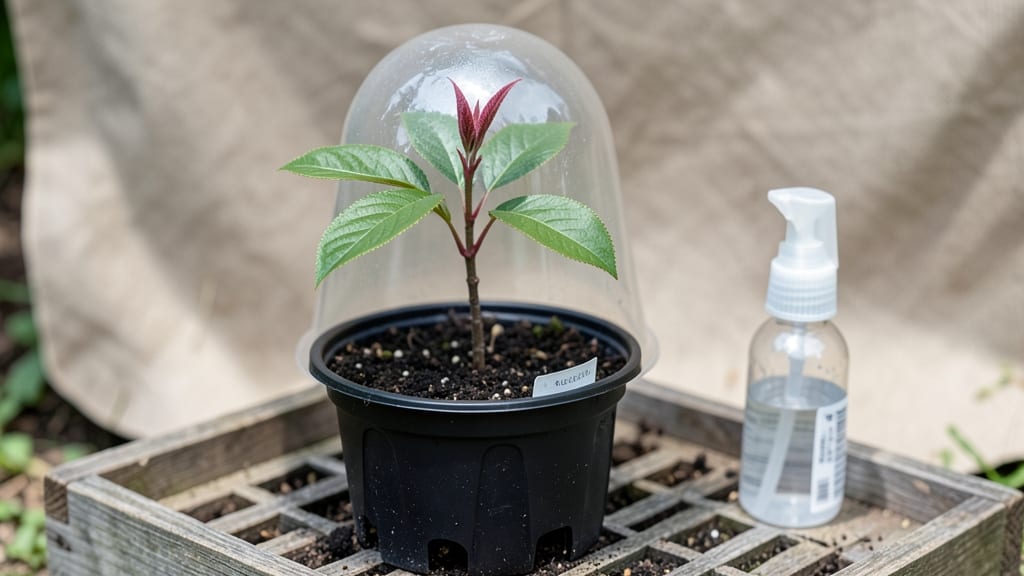
Growing a cherry tree from seed takes anywhere from 6 to 10 years to reach maturity and produce fruit, but the journey starts long before that with germination and early growth.
Picture this: you plant a tiny 🍒 cherry seed in spring, only to wait months for it to sprout, then years for it to grow into a sturdy sapling. The patience required can feel overwhelming, especially when you're dreaming of a backyard orchard.
Understanding the stages—from the 2-4 weeks it takes for seeds to germinate to the 2-5 years it can take to establish a sapling—helps you set realistic expectations and care for your tree properly.
In this guide, I’ll break down the timeline, share tips to speed up growth, and explain why some varieties take longer than others to bear fruit.


Cherry tree growth stages: seed germination to sapling timeline explained
Growing a cherry tree from seed is a journey that spans years, not months. Understanding each growth stage helps you set realistic expectations and provide the right care. From the first seed germination to the sapling establishment, every phase depends on environmental conditions, variety, and your gardening efforts.
Most cherry tree seeds—especially from sweet cherry varieties—require cold stratification to break dormancy. This mimics winter conditions and typically takes 60-90 days in a refrigerator before planting. Without this step, germination rates drop dramatically, and seeds may never sprout.
🍒Did you know? Sour cherry seeds often germinate faster than sweet cherries because they have less stringent stratification needs. However, sweet cherries produce more reliable fruit if grafted later.
| Stage | Timeframe | Key Actions | Critical Factors |
|---|---|---|---|
| Seed Germination | 2-4 weeks | Cold stratify seeds 60-90 days, plant in well-draining soil, maintain 60-70°F | Moisture, temperature, seed viability |
| Seedling Growth | 3-6 months | Transplant to pots, provide full sun, fertilize lightly with 10-10-10 | Light exposure, soil nutrients, pests |
| Sapling Establishment | 2-5 years | Plant outdoors, mulch heavily, prune for structure, monitor for diseases | Climate zone, water consistency, soil pH (6.0-7.0) |
| Fruit-Bearing Age | 6-10 years | Graft desired variety (if not already fruiting), thin fruit for size, protect from birds | Pollination, winter chilling hours, tree health |
The first 2-4 weeks after planting are critical for seed germination. Keep soil consistently moist but not waterlogged, as excess water can cause seed rot. A seedling heat mat set to 70°F (21°C) can speed up sprouting by 30-50% in cooler climates.
Once sprouts emerge, move seedlings to bright indirect light for 2-3 weeks before transplanting outdoors. Sweet cherry seedlings grow slower initially but develop stronger root systems, making them more drought-resistant as saplings.
By year 2, your cherry sapling will reach 3-5 feet tall if given proper care. This is when pruning for structure becomes essential—remove competing branches and thin out crowded growth to encourage a single strong trunk.
In years 3-5, focus on soil health and water consistency. Cherry trees are shallow-rooted early in life, so mulch with 3-4 inches of organic matter (like wood chips) to retain moisture and regulate soil temperature.
Most gardeners are surprised to learn that cherry trees grown from seed rarely produce true-to-type fruit. This is why commercial orchards use grafting—a process where a fruiting variety is attached to your seed-grown rootstock around year 4 or 5.
With ideal conditions—full sun, well-draining soil, and consistent care—you can expect your first cherry blossoms by year 5 and potential fruit by year 6-8. Patience is key, but the reward of homegrown cherries makes every stage worthwhile.
Critical factors that speed up or delay cherry tree maturity from seed
Growing a cherry tree from seed requires patience, but several factors can dramatically influence how quickly—or slowly—your tree reaches maturity. While most cherry trees take 5-10 years to bear fruit, some gardeners report earlier fruiting with the right conditions. Understanding these variables lets you optimize your approach for faster results.
The first critical factor is your seed variety. Sweet cherries (like Bing or Rainier) often take longer—8-10 years—to mature, while sour cherries (such as Montmorency) may fruit in 5-7 years. This difference stems from genetic traits that affect growth rates and cold hardiness.
Soil quality is another game-changer. Cherry trees thrive in well-draining, slightly acidic soil (pH 6.0-6.5). Poor soil can stunt growth by 30-50%, delaying maturity. Amending your soil with compost or organic matter before planting ensures nutrients are available for rapid early development.
⚠️ WARNING: Common Mistakes That Delay Maturity
✅ DO: Test soil pH and amend with compost before planting.
❌ DON'T: Plant in heavy clay or waterlogged soil—this suffocates roots.
✅ DO: Choose a sunny location (6+ hours of direct sunlight).
❌ DON'T: Plant in shaded areas, which slows growth by 2-3 years.
✅ DO: Use cold stratification for seeds (60 days in moist sand).
❌ DON'T: Skip stratification—it mimics winter and breaks seed dormancy.
✅ DO: Water deeply 1-2 times per week in dry spells.
❌ DON'T: Overwater, which causes root rot and stunted growth.
🌱
Sunlight exposure is non-negotiable. Cherry trees need full sun (6-8 hours daily) to maximize photosynthesis and growth. In USDA hardiness zones 5-8, trees in partial shade may take 2-4 years longer to mature. If your yard lacks full sun, consider container growing near a south-facing wall.
Watering techniques also play a pivotal role. Young cherry trees need consistent moisture but hate soggy roots. Deep watering once or twice weekly encourages deep root growth, while shallow watering leads to weak, surface roots that struggle to support the tree’s weight as it matures.
Finally, climate zone matters. Trees in warmer zones (7-8) may grow faster due to longer growing seasons, while those in cooler zones (5-6) experience slower early growth. In colder climates, ensure your tree is planted in a protected microclimate to avoid winter damage, which can set back maturity by years.
By focusing on these factors—seed variety, soil quality, sunlight, watering, and climate—you can shorten the timeline to fruit-bearing maturity. With the right conditions, some gardeners see their first cherries in as little as 5 years, while others may wait closer to 10 years.
The key is consistency and attention to detail at every stage. ☀️🍒