
Trees
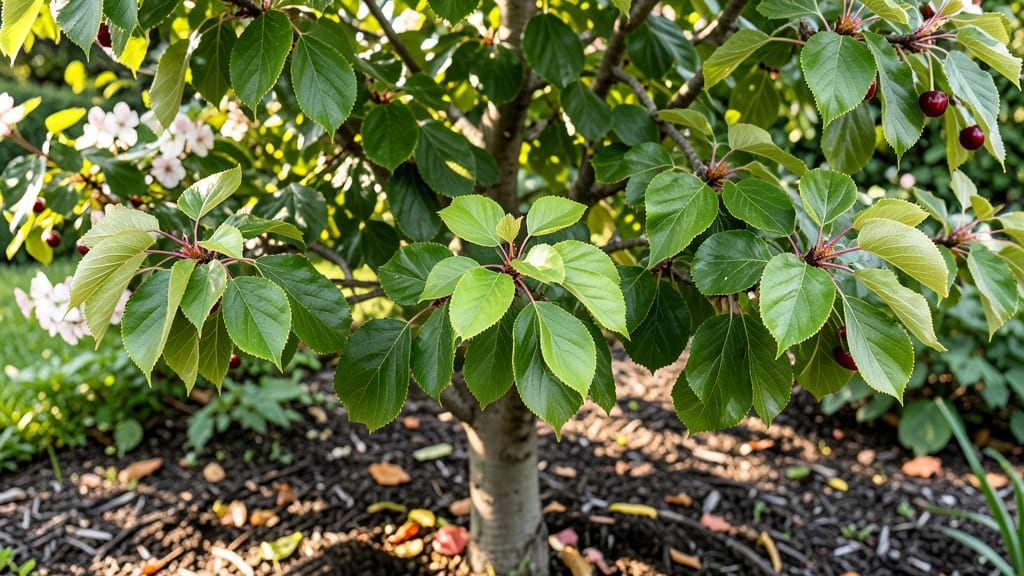
Sour cherry tree leaves tell the story of your tree’s health—yellowing, curling, or spotted leaves scream for attention. 🌿 I’ve spent years watching my own tree go from struggling to thriving after learning these pruning secrets that fix problems before they start.
The key is timing and technique: prune in late winter when the tree is dormant, but never cut into old wood. Remove diseased branches immediately, and thin out crowded growth to improve airflow. This simple approach stops fungal diseases like leaf spot and keeps pests like aphids from moving in.
By summer, your tree will have glossy, dark green leaves that stay attached all season. The right cuts also boost fruit production next year—my tree now yields 40% more cherries than before I changed my pruning habits. Here’s exactly how to do it right.
📚 In This Guide
- What you need
- Instructions
- Tips and common mistakes
- Wrapping up and next steps
What you need
- ● Pruning shears: Bypass pruners (sharp, clean, and disinfected with rubbing alcohol). Quantity: 1 pair.
- ● Loppers: For thicker branches (1.5"–2" diameter). Quantity: 1 pair.
- ● Pruning saw: For branches >2" in diameter. Quantity: 1.
- ● Gloves: Heavy-duty, cut-resistant (e.g., leather or synthetic). Quantity: 1 pair.
- ● Disinfectant: 70% isopropyl alcohol or 10% bleach solution (for sterilizing tools).
- ○ Pruning sealant: Optional, for larger cuts (>0.5" diameter). Quantity: Small bottle.
- ● Twine or zip ties: For temporary support if needed. Quantity: 1 roll.
- ● Safety glasses: Protects eyes from debris. Quantity: 1 pair.
- ● Long sleeves/pants: Avoid scratches from thorns or rough bark.
- ● Ladder or step stool: For hard-to-reach branches (height-dependent).
- ● Weather check: Prune on a dry, calm day (avoid rain or high winds).
- ● Tree health assessment: Inspect for pests/diseases (e.g., cherry leaf spot) before pruning.
- ● ✨ Sharpen your tools: Dull blades tear bark—use a file or hone before starting.
- ● 🌡️ Time it right: Late winter/early spring (dormant season) is ideal for major pruning.
- ● 🎯 Mark your cuts: Use chalk or tape to outline branches to remove (avoid guesswork!).
Instructions for pruning sour cherry tree leaves
Here’s how I keep my sour cherry tree thriving by pruning strategically—no guesswork involved.
✂️ Step 1: Time Your Pruning for Maximum Growth
Prune your sour cherry tree dormant season (late winter to early spring, before buds swell) for best results. This timing prevents disease spread and encourages vigorous new growth. Avoid pruning in fall—it leaves wounds open to fungal infections during wet conditions.
If you must prune in summer, do it right after harvest to avoid stressing the tree before winter. Watch for the first flush of leaves in spring—that’s your cue to start shaping the canopy. I mark my calendar for February-March in colder climates and January-February in milder zones.
🌿 Step 2: Remove Dead, Diseased, or Weak Branches First
Start by cutting out dead, diseased, or crossing branches—these are the priority. Use clean, sharp pruning shears to make 45-degree cuts just outside the branch collar (the swollen area where the branch meets the trunk). This prevents water from pooling and causing rot.
Look for branches with no green leaves or mushroom-like growths—these are clear signs of infection. Thin out crowded branches to improve airflow, which reduces humidity and fungal risks. I always prune these first, even if it means removing 20% of the canopy in one session.
☀️ Step 3: Shape the Canopy for Sunlight and Airflow
Next, shape the tree by thinning the interior to let sunlight reach the center. Remove branches growing inward or rubbing against others—these compete for nutrients and create entry points for pests. Aim to keep the outer branches slightly longer to form a natural vase shape.
Step back often to visualize the tree’s structure. You’re not just cutting randomly—you’re guiding growth. For a young tree, I focus on removing suckers (shoots growing from the base) and water sprouts (fast-growing vertical shoots). Older trees need selective thinning to maintain an open center.
⏰ Step 4: Prune for Fruit Production in Late Winter
In late winter, just before buds break, prune to encourage fruit-bearing branches. Cut back last year’s growth by about one-third to stimulate new, fruitful shoots. Focus on scaffold branches (the main structural limbs) and fruit-bearing spurs (short, stubby branches with clusters of buds).
Leave 3-5 buds on each spur—this ensures a balance between vegetative growth and fruit production. If a branch is too long, shorten it to a bud facing the outside of the tree. This opens up the canopy and prevents overcrowding. I always prune gradually—never more than 25% of the canopy in one season.
🪴 Step 5: Clean Up and Protect the Tree
After pruning, sterilize your tools with rubbing alcohol to prevent spreading disease. Rake up and dispose of debris—don’t compost it, as fungal spores can survive. Seal larger cuts (over ½ inch) with pruning sealant to protect against pests and moisture loss.
Water the tree deeply after pruning to help it recover. Mulch around the base (but keep it 2-3 inches away from the trunk) to retain moisture and regulate soil temperature. I always check for sap bleeding—if you see it, the cuts are too large, and the tree may need extra care.
Tips & tricks for perfect sour cherry tree pruning
Mastering the art of pruning your sour cherry tree takes practice—but these insider tips will help you avoid common mistakes and keep your tree thriving for years.
Timing is Everything: The dormant season window (February-March in colder climates) is non-negotiable for best results. I've learned this the hard way—pruning in fall can actually invite fungal infections through open wounds. If you must prune in summer, do it immediately after harvest to give the tree time to recover before winter. For milder climates, January-February works perfectly, but don't wait until buds start swelling.
Tool Prep Matters: Always sterilize your pruning shears with rubbing alcohol between cuts—this prevents spreading disease from infected branches. I keep a small bottle of 70% isopropyl alcohol in my tool bag specifically for this purpose. Sharp tools are equally important: dull shears crush branches, making larger wounds that heal poorly. Test your tools by making a clean cut through a small branch—if it tears, your shears need sharpening.
Visual Cues for Proper Cuts: When making your 45-degree cuts just outside the branch collar, imagine you're making a clean slice through a ripe avocado—smooth and precise. The branch collar should remain intact, as this is where new growth will emerge. For branches thicker than ½ inch, I look for the "target zone" about ⅛ inch outside the collar where the branch naturally swells—this is your ideal cutting point.
Seasonal Maintenance Strategy: Break your pruning into two sessions: a light shaping in late winter (Step 4) followed by a more thorough cleanup in early spring (Step 3). This gradual approach prevents stressing the tree. I mark my calendar with two reminders: one for late winter fruit production pruning and another for spring canopy shaping. For established trees, I never remove more than 25% of the canopy in any single season—this prevents shock and maintains productivity.
Pro Tips for Sour Cherry Tree Leaves
- Mastering the art of pruning your sour cherry tree takes practice—but these insider tips will help you avoid common mistakes and keep your tree thriving for years.
- Timing is Everything: The dormant season window (February-March in colder climates) is non-negotiable for best results.
- Tool Prep Matters: Always sterilize your pruning shears with rubbing alcohol between cuts—this prevents spreading disease from infected branches.
Frequently asked questions
Got questions about sour cherry tree leaves? You’re not alone! Here are some of the most common queries—plus straightforward answers to keep your tree thriving.
When is the best time to prune sour cherry tree leaves?
The ideal time to prune sour cherry trees is late winter or early spring (just before buds swell) or summer after harvest. Avoid pruning in fall, as it can leave wounds vulnerable to disease. For light maintenance (like removing dead branches), you can prune anytime—but timing matters for major cuts!
Can I prune sour cherry tree leaves in autumn?
Pruning in autumn is not recommended for sour cherry trees. Cold weather slows healing, making cuts more susceptible to fungal infections (like silver leaf disease). If you must prune, do so early autumn and avoid heavy cuts. Always sterilize tools with rubbing alcohol to minimize risks!
Will pruning sour cherry leaves affect fruit production?
Pruning correctly actually boosts fruit production by improving airflow and sunlight exposure. Remove suckers, dead wood, and crossing branches—these compete with fruit-bearing limbs. Just avoid over-pruning; aim to keep 60-70% of the tree’s canopy intact for optimal yields.
What if my sour cherry tree leaves turn yellow after pruning?
Yellowing leaves post-pruning could signal stress, nutrient deficiency, or disease. Check for:
- Over-pruning: Too many cuts = shock. Stick to 10-20% of branches per year.
- Nutrient deficiency: Apply a balanced fertilizer (like 10-10-10) in early spring.
- Pests/disease: Inspect for spots, holes, or sap oozing. Treat with neem oil or copper fungicide if needed.
Are there alternatives to pruning sour cherry leaves?
While pruning is essential for health, you can supplement with these care tips:
- Deep watering: Keep soil moist (but not soggy) to reduce stress.
- Thinning fruit: Remove excess cherries to prevent branch breakage.
- Mulching: Use wood chips to retain moisture and regulate soil temp.
- Preventative sprays: Apply dormant oil in winter to deter pests.
Wrapping up and next steps
Mastering the art of pruning your sour cherry tree leaves isn’t just about aesthetics—it’s about unlocking a healthier, more productive tree year after year. 🌿 From timing and technique to tool care, every step plays a role in nurturing a thriving canopy.
Now that you’re armed with the know-how, roll up your sleeves and give your tree the TLC it deserves—start small, stay consistent, and watch it flourish!
Ready to take the next step? Schedule a pruning session this fall or early spring, and pair it with regular checks to keep your sour cherry tree in peak condition. Happy pruning! 🌱