
How To
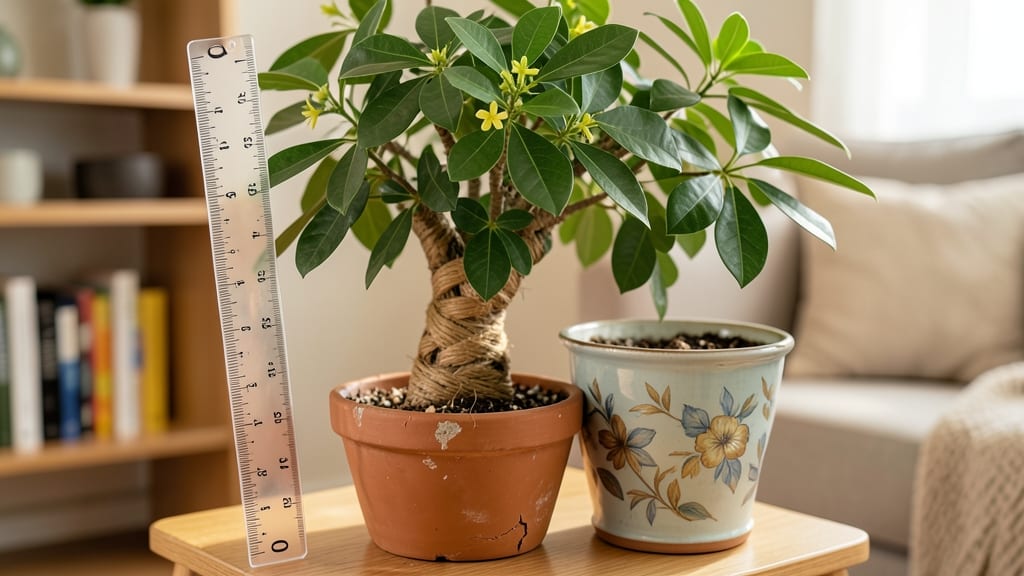
The money tree grows to 6 to 10 feet tall indoors with proper care, but its mature height depends on variety, pruning, and growing conditions.
If you’ve ever dreamed of growing a lush money tree (Pachira aquatica) indoors but wondered how tall it can realistically get, you’re not alone—this fast-growing tropical plant has surprising growth limits depending on its variety and care.
Standard varieties like the braided money tree typically reach 6 to 8 feet indoors, while dwarf types stay compact at 3 to 5 feet. Without pruning, some can even stretch toward 10 feet—though that’s rare in small spaces.
Here’s what you need to know about managing its height, from pruning tips to the best light conditions for controlled growth.


Money tree height limits by variety: what to expect indoors
Your money tree (Pachira aquatica) is a tropical stunner, but its height depends heavily on the variety you choose and how you care for it. While some varieties stay compact, others can reach 10 feet indoors with ideal conditions.
Understanding these differences helps you plan for the perfect spot in your home before it becomes a ceiling hazard.
Braided money trees, like the popular 'Braided Money Tree', often grow slower than their non-braided counterparts due to the training process required to create those iconic woven stems. However, with proper care, they can still reach 6–8 feet tall over 5–7 years.
Meanwhile, standard money trees left unpruned may top out at 10 feet or more in spacious homes.
If you’re eyeing a braided money tree for your space, know that the braiding process itself doesn’t stunt growth—it’s the extra care required during training that often slows things down.
I’ve seen braided trees in my collection reach 7 feet in 6 years with consistent pruning and repotting, while neglected ones may only hit 4 feet after the same time.
Light exposure plays a huge role in height. Money trees thrive in bright, indirect light, which encourages faster growth. Place yours near an east or west-facing window to avoid leaf scorch from direct afternoon sun. In low-light conditions, growth slows dramatically—sometimes by 50%—keeping your tree compact but leggy.
Pot size matters too. A money tree in a 10-inch pot will grow taller faster than one in a 6-inch pot because roots have more room to expand.
However, overpotting can lead to root rot, so always use pots with drainage holes and upgrade sizes gradually as your tree matures.
Pruning is your best tool for controlling height. A simple tip pruning every 6–12 months encourages bushier growth and keeps your money tree at your desired height.
For example, if you want to maintain a 4-foot height, prune the top set of leaves in early spring to redirect energy to side branches.
Real-world examples show that with consistent care, a money tree can grow 1–2 feet per year indoors. My own 7-year-old braided money tree stands at 6 feet tall thanks to regular pruning and a south-facing window. Without pruning, it could easily have reached 8–10 feet by now.
For small spaces, consider dwarf varieties or frequent pruning. These stay between 3–5 feet tall and are perfect for apartments or offices. Just remember: even dwarf varieties need proper light and care to thrive—neglect will stunt growth regardless of the variety.
If you’re wondering whether your money tree can ever reach 20 feet indoors, the short answer is no. That’s a myth! Outdoors, money trees grow tall naturally, but indoors, they’re limited by space, light, and care.
With the right conditions, 10 feet is the max for most indoor varieties.
How to control money tree height: pruning, training, and care tips
Your money tree (Pachira aquatica) can grow tall quickly if left unchecked, but with the right techniques, you can keep it between 6–8 feet indoors. The key lies in pruning methods, stem training, and adjusting care habits to slow vertical growth while encouraging bushiness.
Whether you have a braided money tree or a standard variety, these steps will help you maintain a manageable height without sacrificing its lush, tropical appeal.
Pruning is the most effective way to control height, but timing and technique matter. For example, tip pruning (cutting the top few inches) encourages lateral growth, while hard cuts (removing larger sections) can reset growth patterns entirely.
Combine this with proper light exposure and humidity levels, and you’ll have a money tree that stays within your desired size limits while thriving in your home.
Step-by-Step Pruning Checklist for Beginners
Beyond pruning, light exposure plays a crucial role in controlling height. Place your money tree near an east or west-facing window for bright, indirect sunlight. Too much direct sun can cause leggy growth, while insufficient light slows growth entirely.
Rotate the pot every few weeks to ensure even light exposure, which promotes balanced growth and reduces the need for drastic pruning.
Adjusting your watering routine can also influence height. Overwatering leads to rapid, weak growth, while underwatering stunts it. Aim for consistent moisture—water when the top 1–2 inches of soil feel dry.
Pair this with moderate humidity (40–50%) to mimic its tropical habitat, which slows vertical stretching and encourages a fuller shape.
Finally, repotting every 2–3 years in a pot just 1–2 inches larger than the previous one prevents root-bound stress, which can spur sudden height spikes. Choose a pot with drainage holes and use a well-draining potting mix to keep roots healthy.
With these adjustments, your money tree will stay at a manageable height while remaining lush and vibrant.
🌿