
How To
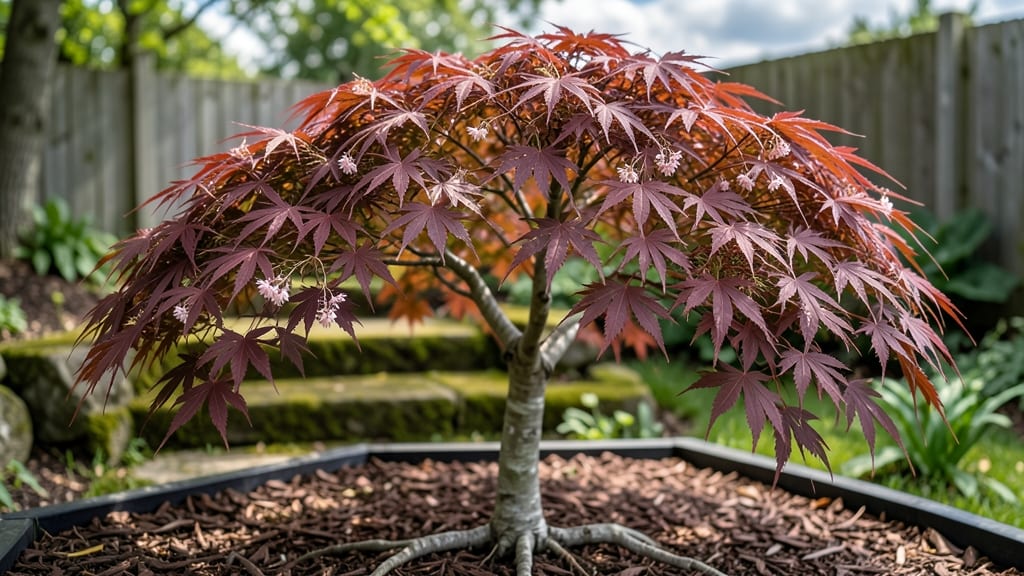
A Japanese Maple Tree 🌳 can grow anywhere from 6 feet to towering 30 feet tall, depending on the variety and how you care for it.
If you're dreaming of a stunning Japanese Maple in your garden but wondering whether it’ll dwarf your patio or blend seamlessly into your landscape, the answer depends entirely on the cultivar—and we’ve got the exact measurements.
Some varieties, like the compact 'Shishigashira,' stay under 10 feet, making them perfect for small yards or even container gardening. Others, such as the classic 'Bloodgood,' can reach 20 to 25 feet, turning into a statement piece over time.
Below, I’ll break down the height ranges by popular cultivars, how sunlight and soil affect growth, and the best spacing tips to ensure your Japanese Maple thrives without overpowering your space.


Japanese maple tree height by cultivar: a complete size guide
Japanese maples (Acer palmatum) are beloved for their stunning foliage and graceful forms, but their mature height can vary dramatically depending on the cultivar. Some stay compact enough for patios, while others grow tall enough to rival mature oaks.
Understanding these differences is key to selecting the perfect variety for your garden space and ensuring it thrives for decades.
I’ve grown several cultivars myself, and the first thing I learned is that height isn’t the only factor—growth habits (upright, weeping, or mounded) also play a role in how they fit into your landscape.
Below, I’ve compiled a detailed guide covering 10 popular cultivars, their mature heights, growth rates, and spacing needs to help you plan with confidence.
Pro Tip: Always check the cultivar’s growth rate—some compact varieties like 'Shishigashira' grow just 6 inches per year, while faster growers like 'Bloodgood' can add 2 feet annually. This makes a huge difference in how quickly your tree fills its allocated space.
| Cultivar | Mature Height (ft) | Growth Rate (in/yr) | Form | Spacing Needs (sq ft) |
|---|---|---|---|---|
| 'Bloodgood' | 15-25 ft | 12-24 in | Upright, rounded | 15x15 ft |
| 'Emperor I' | 20-30 ft | 18-36 in | Pyramidal | 20x20 ft |
| 'Drummondii' | 10-15 ft | 6-12 in | Weeping | 12x12 ft |
| 'Shishigashira' | 6-8 ft | 3-6 in | Mounded | 8x8 ft |
| 'Seiryu' | 8-12 ft | 6-12 in | Weeping | 10x10 ft |
| 'Tamukeyama' | 4-6 ft | 2-4 in | Dwarf, mounded | 6x6 ft |
| 'Viridis' | 15-20 ft | 12-24 in | Upright | 15x15 ft |
| 'Koto-no-ita' | 10-15 ft | 6-12 in | Weeping | 12x12 ft |
| 'Atropurpureum' | 20-25 ft | 18-36 in | Upright, spreading | 20x20 ft |
| 'Shishigashira' (Bonsai) | 2-4 ft (container) | 1-3 in | Mounded | 3x3 ft (pot) |
For example, if you’re working with a small urban garden, cultivars like 'Tamukeyama' or 'Shishigashira' will thrive in containers or tight spaces, while 'Emperor I' needs room to stretch its legs—literally.
I planted a 'Bloodgood' near my patio years ago, and while it’s stunning, I wish I’d given it 5 extra feet of space on all sides for airflow and root expansion.
Another critical factor is growth rate. Fast growers like 'Emperor I' can reach half their mature height in just 5 years, while slower growers like 'Tamu
How growing conditions affect Japanese maple tree height
Your Japanese maple's final height isn't set in stone—it's shaped by where you plant it and how you care for it. While some cultivars like 'Bloodgood' naturally reach 20-25 feet, others like 'Tamukeyama' stay under 10 feet.
The difference? Growing conditions. Sunlight, soil quality, and even your pruning habits can push a tree toward its maximum potential or keep it compact. Let's break down how each factor plays a role in controlling your tree's stature.
Sunlight is the first major player in determining height. Japanese maples thrive in partial shade, which means they'll grow slower and stay shorter when exposed to morning sun only.
Placing yours under filtered light (like through sheer curtains or high branches) can reduce growth by 30-50% compared to full sun. Meanwhile, harsh afternoon sun can stress the tree, stunting its height entirely. If you're aiming for a smaller stature, prioritize dappled shade over open sunlight.
Soil type directly impacts root development, which in turn affects how tall your tree grows. Well-draining, acidic soil (pH 5.0-6.5) gives roots the space to spread and absorb nutrients efficiently. Heavy clay soils, however, restrict root growth, forcing the tree to focus on height rather than width.
Amending your soil with organic matter like compost can encourage a stockier growth habit, keeping your maple from becoming leggy. For container-grown trees, ensure your pot has drainage holes and use a lightweight potting mix to prevent root-bound stress.
Factors Affecting Japanese Maple Height
- Partial shade keeps growth slow and manageable
- Rich, acidic soil promotes balanced root/foliage growth
- Regular pruning controls height and encourages bushiness
- Container growth limits height for small spaces
- Full sun accelerates rapid, leggy growth
- Poor drainage stunts root development, limiting height control
- Over-pruning weakens structure and reduces longevity
- Clay soil restricts root spread, encouraging vertical growth
🌱 Pro Tip: For maximum height control, combine partial shade with annual pruning in late winter.
Pruning is your most powerful tool for managing height, but timing and technique matter. If you want to keep your maple short, prune in late winter (just before buds swell) to remove up to 25% of new growth.
Avoid heavy pruning in summer, as this can stimulate rapid, weak growth that makes the tree taller. For weeping varieties like 'Crimson Sentinel', focus on thinning branches to maintain their graceful shape without sacrificing height.
Remember, every cut you make affects the tree's future growth direction—so prune with purpose!
Climate zone also plays a hidden role in height. Japanese maples in warmer zones (USDA 7-9) often grow faster and taller because they have a longer growing season. In cooler zones (USDA 5-6), growth slows down, keeping trees shorter and more compact.
If you're in a hotter climate, provide afternoon shade to prevent heat stress, which can lead to uncontrolled vertical growth. Conversely, in colder regions, mulch heavily to protect roots and encourage steady, manageable growth.
Container growth is a game-changer for controlling height. A Japanese maple in a 15-gallon pot will stay 30-50% shorter than one planted in the ground. Root-bound conditions force the tree to focus on foliage rather than height.
To keep it compact, repot every 2-3 years and prune roots lightly during repotting. For patio-friendly varieties, choose dwarf cultivars like 'Shishigashira' and keep them in containers year-round. Just remember: smaller pots = smaller trees, but never restrict roots so much that the tree becomes stressed.
By understanding these factors, you can customize your Japanese maple's height to fit your space perfectly. Whether you want a towering specimen or a compact patio tree, the key is balancing sunlight, soil, pruning, and climate.
Start with the right cultivar for your goals, then fine-tune with care—your dream tree is closer than you think! 🌿