
Container Gardens
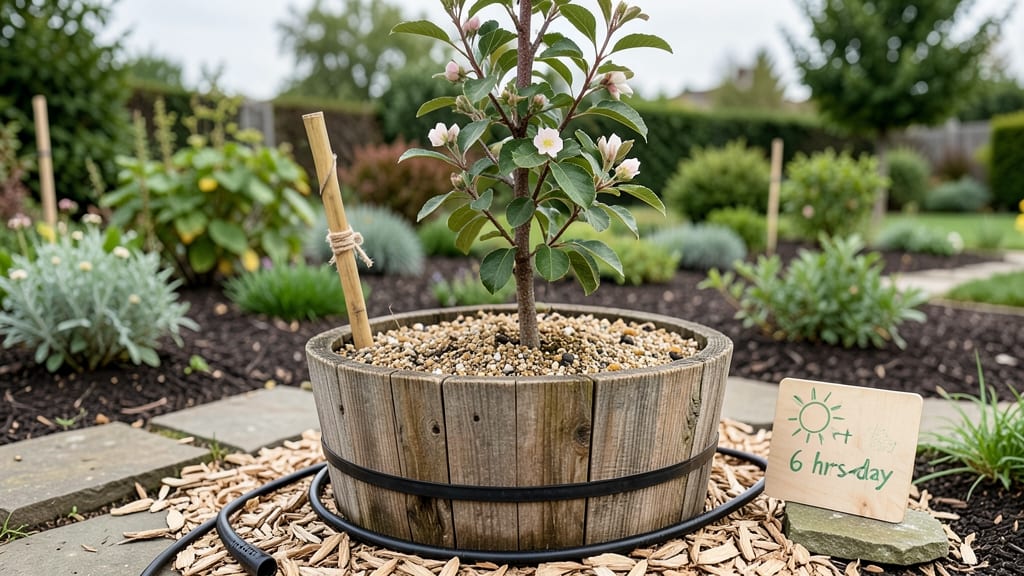
Growing fruit tree container gardening turns your balcony into a miniature orchard. 🌿 The right dwarf varieties—like 'Patio' peaches or 'Calamondin' citrus—produce full-sized fruit without needing a yard, and I’ve grown enough to share jars of homemade preserves with neighbors.
You’ll need a 20+ gallon pot with drainage holes (root-bound trees fail faster than you’d think), a well-draining soil mix, and a sunny spot that gets 6-8 hours of light daily. Most dwarf trees stay under 6 feet tall, making them perfect for patios or small yards.
With proper pruning (just trim leggy branches in early spring) and occasional feeding, you’ll harvest juicy peaches, tart apples, or fragrant citrus—all within arm’s reach. The key is choosing self-pollinating varieties or planting two compatible trees for cross-pollination.
Even in containers, pests and diseases can strike. Watch for aphids on new growth and avoid overwatering (soggy soil breeds root rot). My biggest lesson? Larger pots mean fewer problems—30 gallons is the sweet spot for long-term success.
📚 In This Guide
- What you need
- Instructions
- Tips and common mistakes
- Wrapping up and next steps
What you need
- ● Containers: 5-gallon or larger pots (minimum 18" diameter for dwarf trees, 10" for berries). Choose durable, breathable materials like: Fabric grow bags (great drainage!)
- ● Ceramic or plastic pots (with drainage holes)
- ● Wooden half-barrels (for larger trees)
- ● Potting Mix: High-quality, well-draining container mix (avoid garden soil—it compacts!). Look for blends labeled for fruit trees or citrus.
- ● Drainage: 2–3" layer of gravel or perlite at the container’s bottom
- ○ Drainage saucers (optional, to catch runoff)
- ● Fruit Trees: Dwarf varieties (3–6 ft mature height) like: Citrus (Meyer lemon, Calamondin orange)
- ● Apple (Columnar or Spindle varieties)
- ● Stone fruits (Peach, Plum, or Cherry in containers)
- ● Berries (Strawberries, Blueberries, or Dwarf Raspberries)
- ● Support: Stakes or cages (for trees needing structural support)
- ● Trellis (for vining plants like grapes or kiwi)
- ● Basic Tools: Trowel or small shovel
- ● Pruning shears (sterilized!)
- ● Gloves (to protect from thorns or sap)
- ○ Optional (But Helpful!): Self-watering system or drip irrigation
- ● Slow-release fertilizer (balanced 10-10-10 or citrus-specific)
- ● Mulch (straw or bark chips to retain moisture)
- ● pH test kit (critical for acid-loving plants like blueberries!)
- ● Sunlight meter (to track light exposure)
- ● Sunlight: 6–8+ hours of direct sun daily (south-facing balconies are ideal!).
- ● Space: Ensure containers are spaced 2–3 ft apart for airflow.
- ● Climate Considerations: Move containers indoors (near a sunny window) if temps drop below 30°F (-1°C).
- ● Use frost cloth for sensitive varieties (e.g., citrus).
- ● Time Commitment: Regular watering, pruning, and fertilizing (especially in first year).
Step-by-Step instructions for growing fruit trees in containers
Turn your balcony into a mini orchard with these space-saving techniques—perfect for dwarf varieties.
🪴 Step 1: Choose the Right Containers and Drainage
Select containers at least 18-24 inches deep with drainage holes—fruit trees need room for roots to spread and water to escape. I use fabric grow bags for my dwarf apple trees because they allow roots to breathe while preventing soil compaction. If using traditional pots, add a 2-inch layer of gravel at the bottom to improve drainage.
For 4 trees, you’ll need four 15-gallon containers (or equivalent). Place them where they’ll get at least 6-8 hours of direct sunlight daily—south-facing balconies work best. Avoid dark plastic pots, which overheat roots in summer.
🌱 Step 2: Plant Dwarf Varieties with Proper Spacing
Dwarf fruit trees (like columnar apples or patio peaches) thrive in containers. Plant one tree per container to avoid root competition. Dig a hole twice as wide as the root ball but no deeper—this encourages outward root growth, which stabilizes the tree in windy conditions.
Fill the hole with a mix of premium potting soil and compost (50/50 ratio) to provide nutrients without compacting. Gently remove the tree from its nursery pot, loosen the roots, and place it in the hole. Backfill with soil, pressing lightly to eliminate air pockets. Water deeply until it drains from the bottom.
☀️ Step 3: Provide Sun, Water, and Seasonal Care
Fruit trees need full sun—move containers to sunnier spots if shade appears. In summer, water deeply every 2-3 days when the top 2 inches of soil feel dry. Overwatering is worse than underwatering; yellowing leaves signal excess moisture. Use a self-watering system if you travel often.
Fertilize monthly in spring/summer with a balanced fruit-tree fertilizer (10-10-10 ratio). Prune in late winter to remove dead branches and shape the tree. Thin fruit in early summer to improve size—leave one fruit per cluster to avoid overburdening the tree.
✂️ Step 4: Protect and Overwinter Trees
In fall, reduce watering as temperatures drop. Move containers to a protected spot (like a garage or insulated balcony) if frost threatens. Wrap the trunk and roots in burlap and cover with mulch to insulate. Unwrap in early spring before new growth starts.
Watch for pests like aphids—spray with neem oil if you spot sticky residue on leaves. Container trees dry out faster in wind, so check soil moisture daily in hot weather. With proper care, your dwarf fruit trees will bear harvests in 2-3 years—small space, big rewards!
Tips & tricks for perfect fruit tree container gardening
Here's what nobody tells you about keeping your container-grown fruit trees thriving—these are the details that separate healthy plants from struggling ones.
Container Selection Wisdom: While fabric grow bags are my go-to for their breathability, ceramic or terracotta pots actually help regulate soil temperature better in hot climates. Just be sure to pre-soak them before planting—dry clay absorbs moisture from your soil. For urban balconies, consider lightweight plastic containers with built-in saucers to catch runoff, but avoid black plastic that absorbs heat like an oven.
The Root Ball Technique: When removing your dwarf tree from its nursery pot, gently squeeze the sides to loosen the root ball—this prevents root circling, which can strangle growth. In Step 2, after planting, I like to add a handful of mycorrhizal fungi to the soil mix. These beneficial microbes help roots absorb nutrients more efficiently, especially in container environments where space is limited.
Sunlight Strategy: The 6-8 hours of direct sunlight requirement in Step 1 is non-negotiable, but here's the pro move: position your containers so they get morning sun and afternoon shade if you're in a hot climate. This prevents leaf scorch while still providing the full light spectrum fruit trees need. I rotate my containers weekly to ensure even growth—trees naturally lean toward the light source.
Seasonal Adjustments: In Step 4, when overwintering, don't just move containers indoors—acclimate them gradually over 2-3 weeks. Sudden temperature changes shock the trees. I also recommend adding a layer of bubble wrap around the container sides before wrapping with burlap; this creates an extra insulating barrier against cold winds that regular mulch can't provide.
Pro Tips for Fruit Tree Container Gardening
- Here's what nobody tells you about keeping your container-grown fruit trees thriving—these are the details that separate healthy plants from struggling ones.
- Container Selection Wisdom: While fabric grow bags are my go-to for their breathability, ceramic or terracotta pots actually help regulate soil temperature better in hot climates.
- The Root Ball Technique: When removing your dwarf tree from its nursery pot, gently squeeze the sides to loosen the root ball—this prevents root circling, which can strangle growth.
Frequently asked questions
Got questions about turning your balcony into a mini orchard? You’re not alone! Here are some of the most common concerns—and their solutions—to help you grow thriving fruit trees in containers with confidence.
What are the best fruit trees for beginners in containers?
Start with dwarf varieties like columnar apple trees, patio-friendly peach trees, or compact citrus trees (like Meyer lemons). These are low-maintenance, disease-resistant, and perfect for small spaces. Avoid heavy fruiters like full-sized avocados—they’ll outgrow containers quickly!
How often should I water my container-grown fruit tree?
Containers dry out faster than ground soil! Water deeply every 2–3 days in summer (or daily in extreme heat) and reduce to every 5–7 days in cooler months. Check soil moisture by sticking your finger 1–2 inches down—if it’s dry, it’s time to water. Drip irrigation or self-watering pots help maintain consistency.
Can I grow fruit trees in containers year-round, or do they need winter care?
Most fruit trees need dormancy in winter (even in warm climates). Move pots to a sheltered spot, mulch the soil with straw, and reduce watering. If temps drop below 20°F, wrap the container in burlap or use frost blankets. Citrus trees? Keep them indoors near a sunny window or grow them in heat-tolerant varieties like Calamondin oranges.
Why aren’t my container fruit trees producing fruit?
Common culprits:
- Insufficient sunlight (6+ hours daily, ideally full sun).
- Overcrowded roots—prune roots if the tree outgrows its pot.
- Lack of pollination—hand-pollinate with a brush or plant two compatible trees.
- Nutrient deficiencies—fertilize with citrus-specific or fruit-tree formula in spring/summer.
What’s the largest fruit tree I can grow in a 5-gallon container?
Stick to dwarf or semi-dwarf varieties under 6 feet tall. Great picks:
Tree Max Height (Container) Notes Dwarf Apple (e.g., ‘Columnar’) 8–12 ft Needs pruning; train vertically. Patio Peach (e.g., ‘Bonanza’) 6–8 ft Thrive in 15+ gallon pots. Dwarf Citrus (e.g., ‘Improved Meyer Lemon’) 4–6 ft Loves warmth; use 10+ gallon pots.
Wrapping up and next steps
Container gardening for fruit trees isn’t just a space-saving hack—it’s a rewarding way to grow fresh, homegrown fruit anywhere. With the right containers, soil, and care, you can enjoy luscious peaches, plums, or even dwarf citrus right on your balcony! 🌱
Ready to take the next step? Start by choosing a low-maintenance variety like a dwarf Meyer lemon or columnar apple tree, then pick your pot and get planting. Your future self (and taste buds) will thank you!