
How To
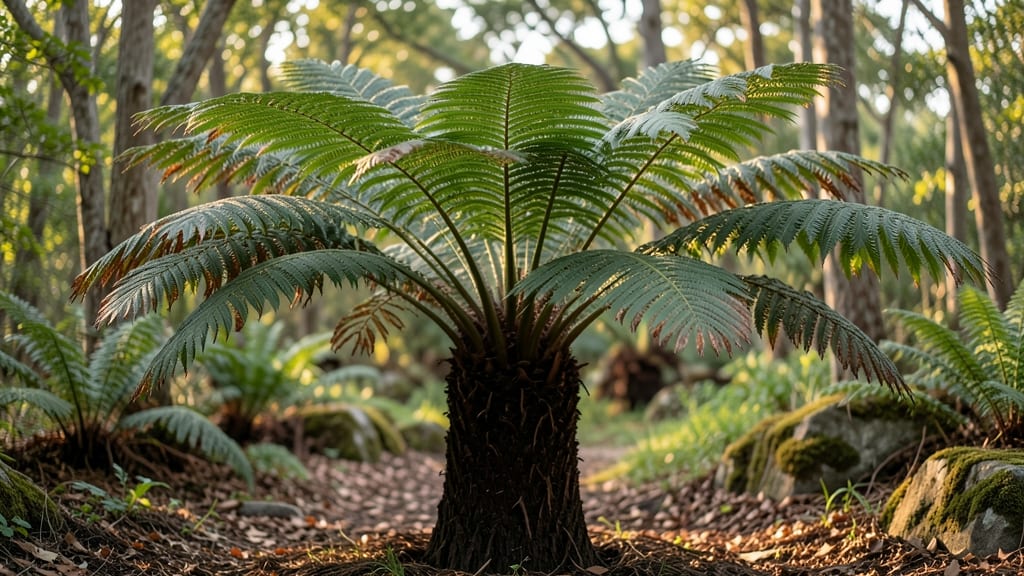
How tall do tree ferns grow? They can reach heights between 6 and 25 feet, depending on the species and growing conditions—some varieties like Dicksonia antarctica can tower impressively, while others remain more compact.
If you're dreaming of adding dramatic tropical flair to your garden, tree ferns could be the perfect choice—but first, you need to know how tall they'll grow before planting. These ancient plants range from compact specimens to towering giants, and their height depends on species, growing conditions, and care.
For example, Cyathea dealbata typically matures around 10 to 15 feet, while dwarf varieties like Cyathea australis stay under 6 feet. Proper sunlight, soil moisture, and climate play a huge role in whether your tree fern thrives or struggles to reach its full potential.
In this guide, I’ll break down height ranges by species, share tips for controlling growth, and help you pick the perfect spot in your garden for these stunning 🌿 plants to flourish.


Tree fern height ranges by species: from dwarf to giant varieties
Tree ferns bring that lush, tropical vibe to gardens, but their mature height varies wildly depending on the species. Some stay compact enough for containers, while others become small forest giants—reaching heights that rival small trees.
Knowing these height ranges helps you choose the perfect variety for your space, whether it's a cozy courtyard or a sprawling woodland garden.
Most tree ferns grow 6 to 25 feet tall, but their growth rate and final size depend on species, care, and climate. For example, the dwarf varieties like Cyathea smithii stay under 6 feet, while the giant species like Dicksonia antarctica can soar to 20 feet or more.
Let’s explore the full spectrum so you can pick the perfect fern for your garden’s scale.
| Species | Mature Height | Growth Rate | Best For |
|---|---|---|---|
| Dicksonia antarctica | 15–20 ft | Slow to moderate | Large gardens, woodland areas |
| Cyathea dealbata (Silver Fern) | 10–15 ft | Moderate | Shaded borders, tropical landscapes |
| Cyathea smithii (Dwarf Tree Fern) | 3–6 ft | Slow | Containers, small gardens, patios |
| Cibotium glaucum (Hawaiian Tree Fern) | 8–12 ft | Moderate | Humid climates, coastal gardens |
| Dicksonia fibrosa (Soft Tree Fern) | 10–15 ft | Moderate | Shady corners, forest gardens |
| Cyathea australis (Australian Tree Fern) | 12–18 ft | Fast | Large shaded areas, privacy screens |
| Hemitelia martii (Brazilian Tree Fern) | 6–10 ft | Slow | Tropical containers, greenhouses |
| Cyathea leichhardtii (Leichhardt Tree Fern) | 8–12 ft | Moderate | Moist, shaded woodland gardens |
| Dicksonia squarrosa (Hair Fern) | 12–18 ft | Slow | Humid, sheltered spots |
| Cyathea medullaris (Black Stem Fern) | 10–15 ft | Moderate | Shaded garden beds, tropical themes |
If you're working with limited space, dwarf varieties like Cyathea smithii are ideal—they stay under 6 feet and thrive in containers. These are perfect for patios or small urban gardens where you want that ferny texture without the towering presence.
Their slow growth rate also makes them low-maintenance choices for beginners.
For a statement-making focal point, giant species like Dicksonia antarctica or Cyathea australis will deliver dramatic results. These can reach 15 to 20 feet, making them ideal for large gardens, woodland edges, or even as natural privacy screens.
Just ensure you have the space—their fronds can spread 6 to 10 feet wide as they mature.
One of my personal favorites is the Cyathea dealbata, or Silver Fern, which grows to 10–15 feet and has stunning silvery fronds. It’s versatile enough for shaded borders but striking enough to anchor a tropical-themed garden.
Its moderate growth rate means you’ll see noticeable height gains each year without it becoming unmanageable.
Climate plays a huge role in how tall your tree fern grows. In warmer, humid zones (USDA 8–10), species like Cibotium glaucum thrive and can reach their full height faster.
But in cooler climates (USDA 6–7), growth slows, and some varieties may stay shorter unless given extra care. Always check your local hardiness zone before planting to avoid disappointment
How growing conditions affect tree fern height: sunlight, soil, and climate
Tree ferns thrive in humid, shaded environments that mimic their native tropical habitats. When conditions are ideal, these ancient plants can reach their full height potential—some species like Dicksonia antarctica towering up to 20 feet tall.
However, poor growing conditions can stunt growth, leaving your fern looking smaller and leggy instead of robust. Understanding how sunlight exposure, soil quality, and climate interact is key to unlocking their dramatic height potential.
One of the biggest myths about tree ferns is that they need full shade to grow tall. While they prefer shade, too little light can slow growth and weaken fronds. The sweet spot is partial shade with dappled sunlight—think morning sun and afternoon shade.
In USDA Zones 7-10, where humidity is naturally higher, tree ferns often grow faster and taller. But in drier zones like Zone 6 or colder, you’ll need to mimic their natural environment with extra care to achieve similar heights.
Growing Conditions: Pros & Cons for Tree Fern Height
✅ Ideal Conditions
- Partial shade (2-4 hrs sun)
- Humid climate (60%+ humidity)
- Moist, rich soil (well-draining)
- USDA Zones 7-10 (natural habitat)
Result: Faster growth, taller fronds (10-20 ft)
❌ Poor Conditions
- Full sun exposure (scorches fronds)
- Dry soil (stunts root growth)
- Low humidity (brown tips)
- USDA Zones 5-6 (slow growth)
Result: Slower growth, shorter height (6-12 ft)
💡 Pro Tip: Use mulch to retain moisture and mist fronds daily in dry climates.
Soil moisture is the single most critical factor for tree fern height. These plants hate drying out—their roots need to stay consistently damp, like a rainforest understory.
In my Zone 8 garden, I’ve found that amending soil with peat moss or coconut coir helps retain moisture while preventing root rot. If your soil drains too quickly, consider planting in a slightly elevated spot to keep roots hydrated without waterlogging.
Climate plays a huge role in how tall your tree fern grows. In tropical USDA Zones 9-10, where humidity is naturally high, tree ferns can grow 2-3 feet per year under ideal conditions.
But in cooler climates like Zone 7, growth slows to 1 foot per year unless you provide extra humidity with fogging systems or shade cloth. Even in colder zones, choosing hardier species like Cyathea medullaris can help you achieve taller growth with proper care.
Don’t forget about microclimates in your garden. A north-facing wall or large shrubs can create the perfect shaded spot for your tree fern to thrive.
I once planted a 6-foot Dicksonia fern against a brick wall, and within 3 years, it reached 12 feet tall because the wall trapped moisture and provided consistent shade. Experiment with different spots to find the sweet spot for your fern’s growth.
If you’re in a dry or sunny climate, don’t give up on tall tree ferns! With container gardening, you can control soil moisture and humidity better. Use a large pot with drainage holes and fill it with a mix of peat moss, perlite, and compost.
Place the pot in a shaded patio area and water deeply every 2-3 days to mimic tropical conditions. This method has helped me grow 8-foot ferns in full sun areas that would otherwise struggle.