
How To
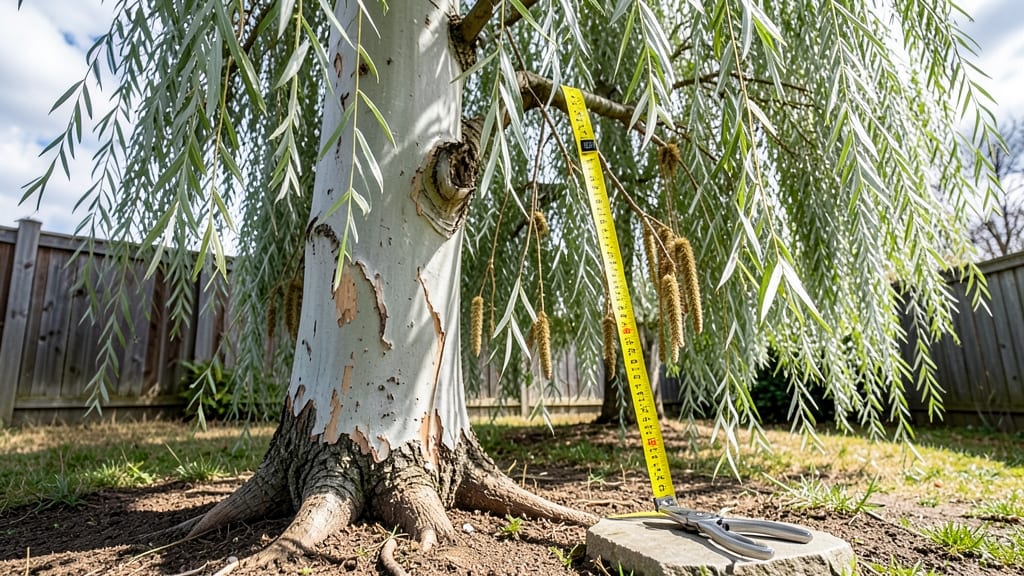
A willow tree can grow up to 50 feet tall—some species even hit 100 feet in ideal conditions, making them one of nature’s fastest vertical climbers. 🌳
Picture this: a 6-foot sapling in a single year, its branches swaying over a pond or garden path. But here’s the catch—while willows love to stretch, their growth depends on the species, soil, and even your pruning skills.
The right variety can fit a small yard, while others need the space of a park.
Weeping willows, for example, can reach 30-50 feet but grow wider than tall, perfect for dramatic borders. Meanwhile, dwarf varieties (like the pussy willow) stay under 10 feet, ideal for containers or urban gardens.
Knowing your willow’s potential helps you plan—whether you’re aiming for shade or a statement piece.
Below, I break down the fastest-growing species, how to control their height, and the surprising tricks to grow willows in tight spaces—without sacrificing their iconic beauty.


Willow tree height by species: fastest-growing varieties and their maximum heights
Willow trees are legendary for their rapid growth, with some species capable of adding 6 feet or more in a single growing season. But not all willows reach the same towering heights—some stay compact while others become towering giants.
Understanding these differences helps you choose the perfect variety for your space, whether you want a privacy screen, a pondside accent, or a container-friendly ornamental. Let’s explore the fastest-growing willow species and their mature heights to help you plan your garden layout.
If you’re working with limited space, weeping willows might seem intimidating, but their arching branches create an elegant, low-profile silhouette compared to their height. Meanwhile, white willows and crack willows can grow aggressively, making them ideal for quick erosion control or large landscapes.
The key is matching the species to your available space and growth goals.
Here’s a quick comparison of the most popular willow species, their fastest growth rates, and their mature heights. This table will help you visualize which variety fits your yard or container garden best.
| Species | Fastest Growth Rate (per year) | Mature Height | Ideal Growing Conditions |
|---|---|---|---|
| Weeping Willow (Salix babylonica) | 3–6 ft | 30–50 ft (tallest when unpruned) | Full sun, moist soil, near water |
| White Willow (Salix alba) | 4–8 ft | 40–60 ft (one of the tallest willows) | Full sun, well-drained but moist soil |
| Crack Willow (Salix fragilis) | 3–5 ft | 40–60 ft (fast-growing but brittle wood) | Full sun to partial shade, adaptable soil |
| Purple Osier (Salix purpurea) | 2–4 ft | 10–15 ft (compact, great for small gardens) | Full sun to partial shade, moist but well-drained soil |
| Goat Willow (Salix caprea) | 1–3 ft | 15–25 ft (slow-growing, bushy habit) | Full sun to partial shade, tolerates dry soil |
The weeping willow is the most iconic, with its dramatic arching branches that can stretch up to 50 feet wide. However, its height can be controlled with regular pruning, making it suitable for larger yards or even as a container specimen in urban settings.
For fastest growth, the white willow and crack willow are unbeatable, shooting up 6–8 feet per year in ideal conditions.
If you’re looking for a low-maintenance, compact option, the purple osier is a standout. Its vibrant purple stems and 10–15 foot mature height make it perfect for small gardens or as a privacy hedge.
Meanwhile, the goat willow is the slowest grower but offers a bushy, multi-stemmed habit that thrives in drier conditions, making it ideal for rock gardens or wildlife-friendly landscapes.
To maximize growth, willows thrive in full sun and moist, well-drained soil. Plant them near water sources like ponds or streams to encourage faster growth, but avoid waterlogged soil, which can cause root rot.
For container growing, choose dwarf varieties or prune aggressively to keep heights manageable. A 5-gallon container can accommodate a young purple osier for 1–2 years before repotting.
For gardeners with limited space, consider dwarf varieties or container willows. While true dwarf willows don’t exist, pruning techniques like topping or pollarding can keep even fast-growing species like the weeping willow under control.
Aim to prune in late winter or early spring before new growth begins to encourage bushier growth and prevent overgrowth.
One surprising fact about willow growth is their aggressive root systems. Some species, like the white willow, can spread 10–20 feet beyond their canopy, making them excellent for erosion control but requiring root barriers if planted near foundations or driveways.
If you’re planting near a pond or stream, willows will naturally stabilize banks while adding beauty to your landscape.
For urban gardeners, willows can be grown in large containers (at least 24 inches wide) with well-draining potting mix. Choose smaller species like purple osier or goat willow for balconies or patios.
Remember to water consistently and fertilize lightly in spring to encourage healthy growth without overwhelming the root system.
Whether you’re dreaming of a towering willow or a compact ornamental,
How to control a willow tree’s height: pruning, root barriers, and space-saving techniques
Willow trees are famous for their rapid growth, but their towering height can overwhelm small gardens. The good news? With the right techniques, you can manage their size without sacrificing their beauty.
I’ve found that pruning at the right time, installing root barriers, and using container gardening are my top strategies for keeping willows in check while still enjoying their graceful branches.
First, let’s address the elephant in the room—willow trees can grow up to 50 feet tall in ideal conditions, but their growth rate depends on the species.
For example, the weeping willow (Salix babylonica) can shoot up 6 feet per year, while the dwarf willow varieties stay under 10 feet. Knowing your species is the first step to controlling height effectively.
- Step 1: Prune in Late Winter or Early Spring
Cut back 1/3 of the tree’s height using clean, sharp pruners. Focus on removing dead or crossing branches first, then shape the canopy. Avoid heavy pruning in summer, as it can stimulate vigorous new growth that’s hard to manage.
- Step 2: Install Root Barriers for Horizontal Control
Dig a trench 2-3 feet deep around the tree’s drip line and insert a plastic or metal barrier. This prevents roots from spreading outward, which can make the tree lean or topple. For small spaces, a 1-foot-high barrier is often enough to keep roots contained.
- Step 3: Grow in Containers for Compact Size
Choose dwarf willow varieties like Salix caprea ‘Pendula’ or Salix purpurea ‘Nana’. Plant in a large container (at least 20 gallons) with well-draining soil. Prune regularly to encourage bushier growth, and repot every 2-3 years to refresh the soil.
- Step 4: Use Topiary Training for Ornamental Shapes
Train young willow branches into arches, spirals, or hedges by tying them to a frame. This not only controls height but also adds artistic flair to your garden. Use flexible wire to guide growth and prune back any errant shoots to maintain the shape.
- Step 5: Monitor Soil Moisture to Slow Growth
Willows thrive in wet soil, but slightly drier conditions can slow their growth. Mulch around the base with wood chips to retain moisture without encouraging rapid expansion. Avoid overwatering, which can lead to uncontrolled root and shoot growth.
One of my favorite space-saving tricks is growing willows in container gardens on patios or balconies. A weeping willow in a large pot can create a stunning vertical feature without taking up ground space. Just remember to fertilize lightly in spring to support growth without fueling a height spurt.
For larger gardens, root barriers are a game-changer. I installed one around my white willow last year, and it’s kept the roots from encroaching on my neighbor’s yard. The barrier is nearly invisible once planted, but it’s made a world of difference in managing the tree’s spread.
If you’re dealing with an established willow that’s already too tall, gradual pruning is key. Never remove more than 25% of the canopy in a single year, or you risk shocking the tree.
Over time, you’ll see a more manageable shape while still enjoying the willow’s iconic foliage and flexible branches.
Willow trees may be nature’s fast growers, but with these techniques, you can enjoy their beauty without losing your garden to their height. Start with pruning and root barriers for in-ground plants, or try container gardening for smaller spaces. Either way, your willow will stay stunning—and under control! 🌳✂️🪴