
Light Requirements
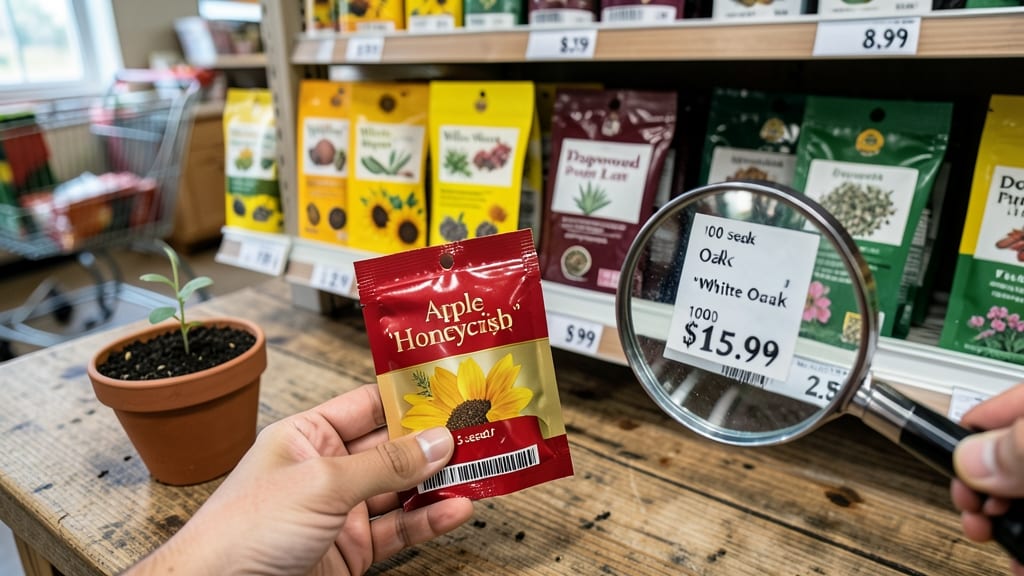
Buying tree seeds costs vary widely: common varieties like oak or maple seeds typically range from $0.50 to $5 per packet, while rare or specialty seeds (such as avocado or fruit trees) can cost between $10 and $50+. Bulk purchases and seasonal promotions often reduce prices for gardeners looking to save.
Your budget for tree seeds depends on what you're planting and how much you need. 🌳 For instance, native species like pine or birch are usually the most affordable, while tropical or heirloom varieties require a bigger investment.
I've found that certified organic seeds tend to cost more upfront but yield healthier plants, which can save money in the long run. Buying in bulk from reputable suppliers like the Arbor Day Foundation or local nurseries often provides better value, especially for large projects.
Another factor to consider is seed quality—wild-harvested seeds might be cheaper but less reliable, while certified seeds guarantee better germination rates. For specialty trees, I recommend checking online marketplaces like Etsy or specialized seed banks for competitive pricing.
Always verify shipping policies, as some sellers offer free seeds with purchases or discounts for first-time buyers.
💡 In This Article
- Tree Seed Cost Factors by Species and Quantity
- Best Places to Buy Affordable Tree Seeds Online and Locally
Tree seed cost factors by species and quantity
The price of tree seeds fluctuates dramatically based on their rarity and propagation complexity. Native species like white oak or red maple seeds typically cost between $0.50 and $3 per packet because they're widely available and easy to collect.
These seeds often come from controlled forests where harvesting is sustainable. In contrast, exotic varieties like monkey puzzle or Japanese maple can reach $20–$50 per packet due to their slow growth rates and limited natural distribution.
Seed quality also impacts pricing significantly. Certified organic or genetically improved seeds cost more ($5–$15) because they undergo rigorous testing to ensure high germination rates (typically 80–95%). Wild-harvested seeds, which might cost $1–$4, often have lower viability and inconsistent growth patterns.
For example, a packet of black walnut seeds from a certified grower costs $8–$12, while wild-collected ones may only be $2–$5 but with unpredictable results.
Quantity plays a major role in pricing—bulk orders of 500+ seeds can reduce costs by 30–50%. For instance, buying 1,000 oak seeds might drop from $15 per packet to $1.50–$2 per packet when ordered in bulk.
Specialty seeds, like those for avocado or fig trees, often require larger minimum orders because they're hand-pollinated or air-shipped from tropical regions, adding $5–$15 in shipping costs.
Seasonality affects prices too—spring and fall are peak seasons when demand spikes, increasing costs by 10–20%. Summer sales, however, can slash prices by 25–40% as suppliers clear inventory. For example, pine seeds might cost $4–$7 in spring but drop to $2–$4 in late summer.
Always check supplier websites for seasonal promotions or "tree seed bundles" that include free shipping.
Another hidden cost factor is seed storage requirements. Some seeds, like those for linden or ginkgo trees, need cold stratification (simulated winter conditions) to germinate, which adds $2–$5 to processing fees.
Rare seeds may also require special handling—such as dormancy-breaking treatments—that further increases the price. Always verify if the seed packet includes germination instructions or if you'll need to purchase additional equipment.
For budget-conscious gardeners, I recommend starting with native species like hickory or sycamore, which are both affordable ($1–$3) and well-adapted to local climates.
If you're planting fruit trees, consider rootstock-grafted varieties—they cost more upfront ($10–$30) but guarantee consistent fruit production, saving money in the long run.
Finally, remember that seed prices don't always reflect value. A $5 packet of wild-harvested seeds might yield only 20–30 viable trees, while a $10 packet of certified seeds could guarantee 80+ healthy saplings. Always check germination rates and supplier reviews before purchasing.