
Light Requirements
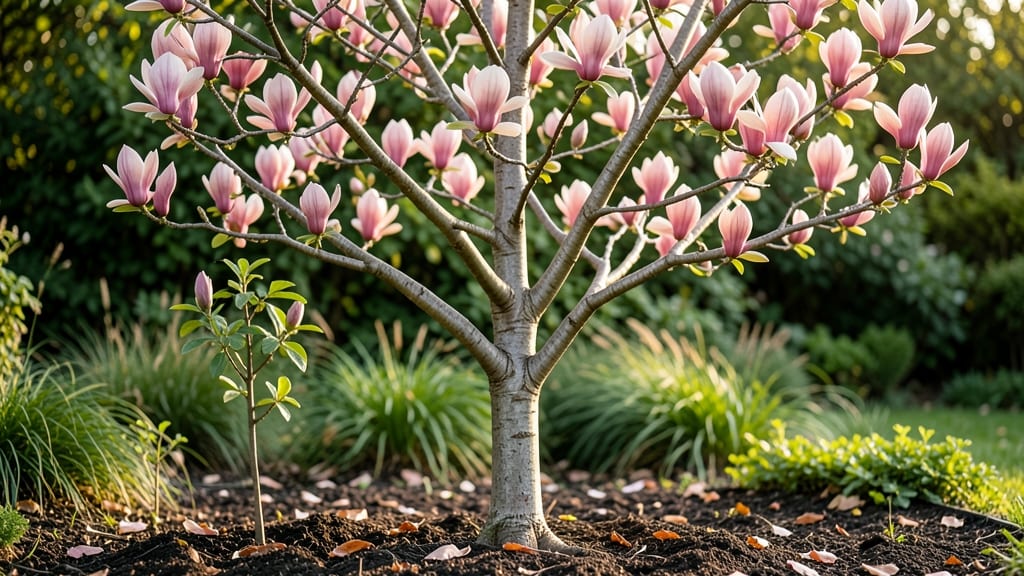
How much sun does a magnolia tree need to thrive? A healthy magnolia typically requires 4 to 6 hours of sunlight daily** to bloom beautifully and stay healthy, though some varieties tolerate more shade than others.
Struggling to get your magnolia tree 🌸 to bloom? Sunlight exposure is the #1 factor determining whether your tree thrives or just survives—and getting it wrong could mean fewer fragrant flowers and weaker growth.
Most magnolias love morning sun and afternoon shade, especially in hot climates where too much direct afternoon light can scorch leaves. Southern magnolias are tougher, handling full sun, while Saucer magnolias prefer a little more shade.
In this guide, I’ll break down exactly how much sun your specific magnolia variety needs, how to spot signs of too much or too little light, and simple adjustments to keep your tree happy and blooming for years.


Ideal sunlight requirements for magnolia trees by variety
Magnolias are stunning focal points in any landscape, but their sunlight needs vary dramatically by variety. Too much sun can scorch delicate leaves, while insufficient light may result in sparse blooms.
Understanding your specific magnolia type is key to creating the perfect growing conditions for vibrant flowers and healthy growth. Most magnolias thrive with morning sun and afternoon shade, but some varieties can handle full sun with proper care.
When selecting a planting spot, consider your local climate and microclimates. Southern-facing yards may require afternoon shade protection, while northern exposures might need supplemental light. Young magnolias are especially sensitive to intense afternoon sun, so providing some shade during their first few years can prevent stress.
Always observe your tree's response to sunlight—adjustments may be needed based on leaf color and bloom production.
| Variety | Ideal Sunlight | Max Tolerable Sun | Shade Adjustments |
|---|---|---|---|
| Southern Magnolia (Magnolia grandiflora) | Partial shade (4-6 hours direct sun) | Full sun with afternoon shade | Use lattice or sheer fabric for afternoon protection |
| Saucer Magnolia (Magnolia × soulangeana) | Full sun to partial shade (6+ hours) | Full sun (with consistent moisture) | Prune nearby trees for better light access |
| Star Magnolia (Magnolia stellata) | Partial shade (3-5 hours direct sun) | Morning sun only in hot climates | Plant near deciduous trees for natural shade |
| Sweet Bay Magnolia (Magnolia virginiana) | Partial shade to full shade | Morning sun only | Avoid afternoon sun exposure |
| Cucumbertree Magnolia (Magnolia acuminata) | Full sun to partial shade (6+ hours) | Full sun (tolerates heat better) | Mulch heavily to retain moisture |
Southern magnolias are the most shade-tolerant variety, making them perfect for hotter climates with intense afternoon sun. Their large, glossy leaves help them regulate temperature naturally, but they still need some direct sunlight to produce their iconic fragrant white blooms.
If your Southern magnolia shows signs of sunburn (brown leaf edges), provide afternoon shade using lightweight shade cloth or a sheer curtain.
Saucer magnolias are the most sun-loving variety and will actually produce more blooms in full sun. However, they require consistent moisture to prevent leaf scorch. If your Saucer magnolia isn't blooming well, check if nearby trees or buildings are blocking essential sunlight.
Strategic pruning of overgrown branches can improve light penetration to the tree's center.
Star magnolias are often confused with their Southern cousins but have very different sunlight needs. These delicate trees bloom on old wood, meaning they set next year's flowers during the current growing season.
Too much sun can stress the tree and reduce blooming, while too little light may prevent flower buds from forming entirely. Aim for morning sun with afternoon shade in warmer regions.
Sweet Bay magnolias are the most shade-tolerant variety and thrive in woodland gardens or understory plantings. They're often found growing naturally under taller trees, where they receive dappled sunlight.
If you're growing one in a sunny yard, watch for leaf yellowing or wilting, which indicates too much exposure. These varieties also produce edible leaves, adding a culinary bonus to their ornamental value.
Cucumbertree magnolias are the most sun-tolerant variety and can handle full sun exposure in most climates. They're excellent choices for dry, sunny landscapes where other magnolias might struggle. To maximize their potential, mulch heavily around the base to retain moisture and cool the roots during hot summer days.
These trees also have unique cone-like seed pods that add winter interest to the garden.
For all magnolia varieties, young trees need extra protection from intense sunlight. The first few years are critical for establishing a strong root system, and excessive sun exposure can stunt growth.
Use reflective mulch or shade cloth during the hottest months to create a more gradual transition to full sun conditions. Over time, as the tree matures, it will develop better heat tolerance and sun resistance.
If you're unsure about your magnolia's sunlight needs, observe how it responds to its current location. Healthy leaves should be dark green and firm, while sunburn appears as brown or crispy edges. Sparse blooming or weak stems often indicate insufficient light.
With the right sunlight balance, your magnolia will reward you with showstopping flowers and lush foliage for decades. 🌸
Signs your magnolia tree isn’t getting the right sunlight
If your magnolia tree looks more like a leafy shrub than a blooming beauty, sunlight might be the culprit. These trees thrive with 4-6 hours of morning sun but struggle when exposed to harsh afternoon rays or too much shade.
Watch for yellowing leaves, sparse blooms, or weak stems—these are classic signs your tree isn’t getting the right light balance.
Magnolias are finicky about their sunlight exposure. Too little light leads to leggy growth and fewer flowers, while too much direct sun can scorch leaves. The key is finding that sweet spot of partial shade, especially in hot climates.
Let’s diagnose the problem and fix it before your tree’s next blooming season!
⚠️ How Much Sun Does a Magnolia Tree Need?
Most magnolias thrive with 4-6 hours of morning sun and afternoon shade. Southern magnolias tolerate full sun, while Star magnolias prefer partial shade. Avoid harsh afternoon sun—it burns leaves and stresses the tree. Test your tree’s spot: if leaves get hot to the touch by midday, it’s getting too much sun.
Start by examining your magnolia’s leaves. If they’re yellowing along the edges or appear bleached, your tree is likely getting too much direct sun. This is especially common if your tree is planted near a south-facing wall or in an open, exposed area.
Move it to a spot with dappled shade—think under tall trees or near a building’s north side—to protect it from intense rays.
On the flip side, if your magnolia has sparse blooms or long, thin stems, it’s probably not getting enough light. These trees need sunlight to produce energy for flowers.
Try relocating it to a sunnier spot or prune nearby overgrown branches blocking light. For container-grown magnolias, rotate the pot every few weeks to ensure even light exposure on all sides.
Weak stems and drooping branches are another red flag. This often happens when young magnolias don’t get enough morning sunlight to strengthen their structure. Stake the tree temporarily to support weak growth while you adjust its light exposure.
In hot climates, provide light shade cloth during peak afternoon hours to prevent stress.
Don’t forget to check for seasonal changes. Magnolias planted in shady spots may need supplemental light in winter when days are shorter. Use a grow light for potted trees or gradually move them to a sunnier location in spring.
With the right light adjustments, your magnolia will reward you with lush foliage and show-stopping blooms next season!