
Pruning
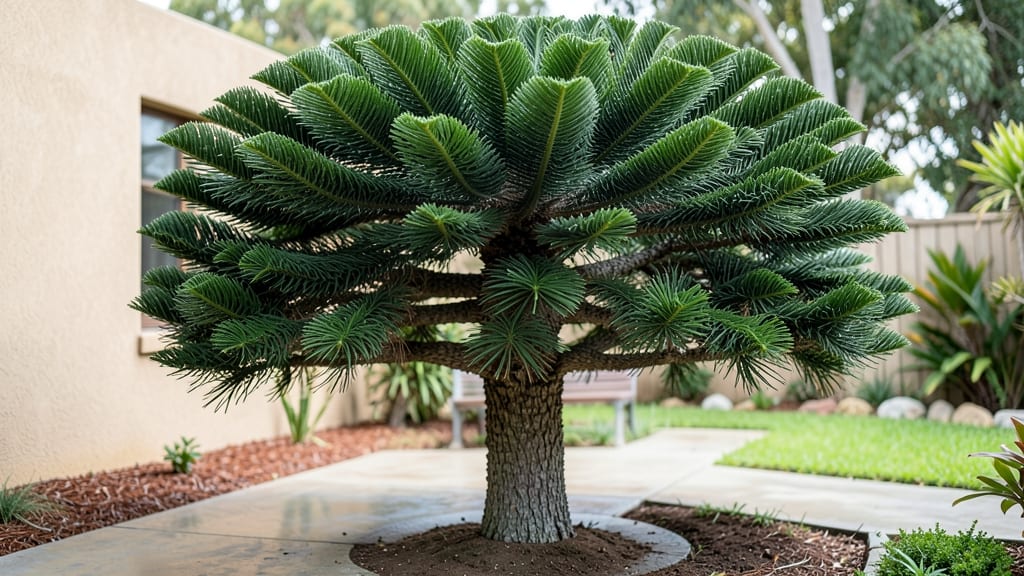
A fir tree pot lets you enjoy evergreen beauty even on a balcony. 🌲 I’ve grown dwarf firs in containers for years—they’re perfect for small spaces, but they need the right care to thrive.
The secret isn’t just the pot; it’s the soil, drainage, and sunlight balance that keeps them lush. Start with a 10-15 gallon container and well-draining soil mixed with perlite. Most dwarf firs (like ‘Little Gem’ or ‘Glauca’) tolerate partial shade, but morning sun keeps them vibrant.
Water when the top inch feels dry—overwatering is the #1 killer of potted firs. You’ll see steady growth year-round, with glossy needles that stay green even in winter. The key difference from in-ground growth?
Potted firs need annual root checks—if roots circle the pot, it’s time to refresh the soil. Works for patios, rooftops, or sunny windowsills. Here’s how to keep yours thriving for years.
📚 In This Guide
- What you need
- Instructions
- Tips and common mistakes
- Wrapping up and next steps
What you need
- ● Dwarf fir tree – Choose a Picea pungens 'Glauca Globosa' (Blue Globe) or similar compact variety (1–3 gallons at planting).
- ● Fir tree pot – A container with drainage holes (12–18" diameter for mature dwarf varieties). Terracotta or ceramic works best for breathability.
- ● High-quality potting mix – A well-draining blend (e.g., 60% peat moss, 30% perlite, 10% sand). Avoid garden soil—it compacts and suffocates roots!
- ● Slow-release fertilizer – A balanced 10-10-10 or 14-14-14 (apply at planting and mid-season).
- ● Mulch – Pine bark fines or wood chips (1–2" layer) to retain moisture and regulate temperature.
- ● Pruners or shears – Sharp, clean bypass pruners (sterilize with rubbing alcohol between cuts).
- ● Gloves – Garden gloves (to protect from sap and sharp needles).
- ● Watering can or hose with nozzle – A gentle spray setting to avoid displacing soil.
- ○ pH testing kit (optional) – Ideal soil pH for firs: 5.0–6.0 (amend with sulfur if needed).
- ○ Support stake (optional) – A small bamboo or plastic stake if your dwarf variety leans (e.g., 'Little Gem').
Step-by-step guide to caring for your dwarf fir tree in pots
Here's how to keep your miniature fir thriving in small spaces—no green thumb required.
🪴 Step 1: Select the Right Pot and Drainage
Choose a container that's at least 12 inches wide and deep for your dwarf fir, with drainage holes at the bottom. Terra cotta pots work best because they breathe and help prevent root rot. If your pot lacks holes, drill a few yourself—fir trees hate soggy feet.
Add a layer of ½-inch gravel or broken pottery at the bottom before filling with soil. This creates an air pocket that prevents waterlogging. I like to use a pot slightly larger than the root ball to give roots room to spread without overwhelming the plant.
🌱 Step 2: Plant with Proper Soil and Positioning
Use a well-draining acidic potting mix (pH 4.5-6.0) formulated for evergreens. Regular garden soil compacts and suffocates roots. Loosen the root ball slightly before placing it in the pot, then fill around it with soil, pressing gently to eliminate air pockets.
Position your fir tree in a spot with partial shade to full sun, depending on your climate. In hot areas, morning sun and afternoon shade prevent needle browning. Watch for yellowing needles—they signal too much direct sun or improper watering.
💧 Step 3: Water Deeply and Maintain Consistent Moisture
Water your dwarf fir when the top 1-2 inches of soil feel dry to the touch. Stick your finger in the soil—if it's dry at that depth, it's time to water. Overwatering is the biggest mistake, so always let excess water drain away completely.
During growing season (spring and summer), water once a week, but adjust based on weather. In winter, reduce watering to every 2-3 weeks since growth slows. Brown needles often mean underwatering, while yellowing or dropping needles signal overwatering.
☀️ Step 4: Fertilize and Prune for Healthy Growth
Feed your fir tree with a slow-release evergreen fertilizer in early spring and again in midsummer. Follow the package instructions, but I halve the recommended dose to avoid burning tender roots. Organic options like fish emulsion work well too.
Prune only to remove dead or damaged branches in late winter or early spring. Never prune for shape—fir trees grow naturally and look best when left alone. If you notice excessive needle drop, check for pests like spider mites or bagworms and treat promptly.
⏰ Step 5: Protect Through Seasonal Changes
In winter, move your pot to a sheltered spot if temperatures drop below 15°F. Use burlap to wrap the pot and protect roots from freezing. If you live in a mild climate, no extra protection is needed beyond regular care.
Every few years, repot your fir tree in spring if roots are circling the pot. Choose a container only 2 inches larger in diameter to avoid overwhelming the plant. This keeps it manageable for small spaces while allowing gradual growth.
Tips & tricks for perfect dwarf fir tree care in pots
Here's what I've learned after keeping these delicate beauties thriving in small spaces for years.
Pot Selection Wisdom: Terra cotta isn't just my first choice—it's the only choice for dwarf firs. The porous material helps regulate moisture, preventing the root rot that plagues plastic pots. Pro tip: If you must use plastic, add extra drainage holes and elevate the pot on feet to improve airflow. I've seen firs in plastic pots last twice as long when given this simple upgrade.
The Gravel Layer Secret: That ½-inch gravel layer at the bottom isn't just decoration—it's your fir's insurance policy. It creates a crucial air pocket that prevents water from sitting against the roots. I've had firs drown in pots that looked properly drained because they skipped this step. Think of it as your fir's built-in flood protection system.
Sunlight Strategy: The "partial shade to full sun" range can be confusing. Here's my rule: if your climate gets hotter than 85°F, go for morning sun only. I've watched firs in full afternoon sun turn crispy in just a few weeks. Test your spot by placing your hand where the pot will sit—if it's too hot to hold comfortably for 10 minutes, it's too much sun.
Winter Protection Hack: When temps drop below 15°F, I don't just move the pot—I create a microclimate. Place the wrapped pot on a bed of straw or mulch, then cover with a clear plastic dome (like a large storage bin). This traps heat while still allowing light. I've kept firs alive through -10°F winters using this method, and they looked none the worse for wear.
Pro Tips for Fir Tree Pot
- Here's what I've learned after keeping these delicate beauties thriving in small spaces for years.
- Pot Selection Wisdom: Terra cotta isn't just my first choice—it's the only choice for dwarf firs.
- The Gravel Layer Secret: That ½-inch gravel layer at the bottom isn't just decoration—it's your fir's insurance policy.
Frequently asked questions
What’s the best soil mix for a fir tree pot?
A well-draining mix is key! Use a blend of peat-free potting soil, perlite, and sand (or orchid bark) to prevent root rot. Dwarf firs hate soggy feet—aim for a 60/30/10 ratio. Pro tip: Add a handful of pine bark fines for acidity!
How often should I water my fir tree in a pot?
Check moisture weekly by sticking your finger 1–2 inches deep. Water when the topsoil feels dry, but never let it sit in water. Dwarf firs prefer consistent moisture over soggy soil. In winter, reduce watering—overwatering is the #1 killer!
Can a fir tree pot survive winter outdoors?
Yes, but with prep! Move pots to a sheltered, shaded spot (like a garage or porch) before temps drop below 20°F. Wrap the pot in bubble wrap and mulch the soil. Avoid frost pockets—dwarf firs are tough but not frost-proof!
What are good alternatives if my fir tree pot struggles?
If your fir’s wilting or yellowing, try these low-maintenance dwarf evergreens for pots:
- Dwarf Alberta Spruce – Hardy and compact
- Miniature Hinoki Cypress – Golden foliage, drought-tolerant
- Dwarf Mugo Pine – Cold-resistant and slow-growing
Why are my fir tree’s needles turning brown?
Brown needles usually mean overwatering, underwatering, or stress. Check for:
- Root rot (soggy soil = fungus)
- Sunburn (move to partial shade)
- Pests (spider mites or aphids—spray with neem oil)
Wrapping up and next steps
Transforming your tiny space into a cozy fir tree oasis is totally achievable with the right care! 🌲 Whether you’ve mastered pruning, troubleshooting, or simply love watching your dwarf fir thrive, your efforts are already making a difference.
Now, take that confidence and let your creativity bloom—try styling your fir tree pot with seasonal decor, experiment with companion plants, or even share your progress with fellow gardening enthusiasts!
Ready for the next step? Pick a new project—like propagating cuttings or designing a mini fir tree grove—and keep that green thumb growing! 🌱