
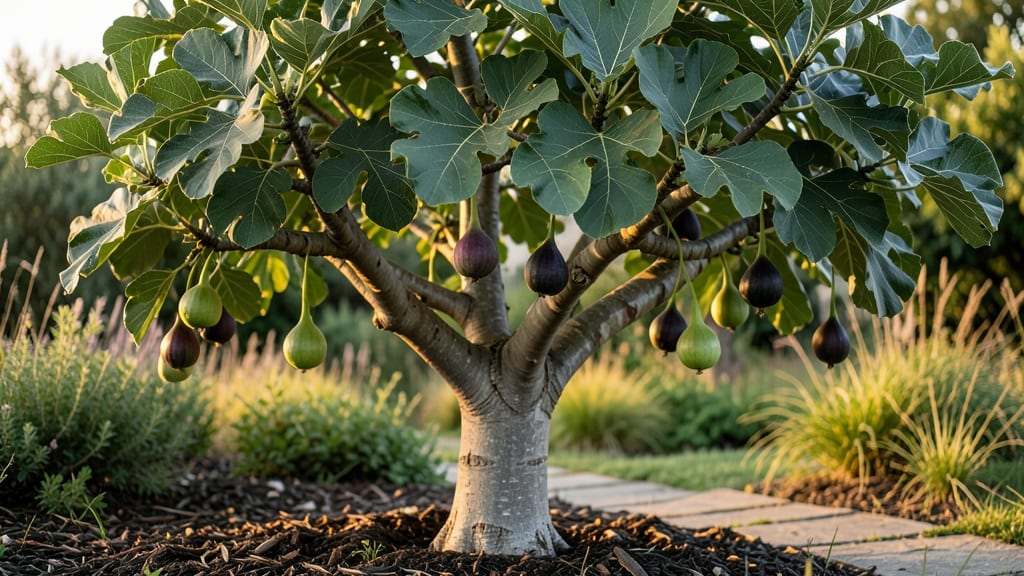
Fig Tree Height and Width: Variety-Specific Growth Charts for Perfect Spacing

Trees

Fig Tree Height and Width: Variety-Specific Growth Charts for Perfect Spacing

Understanding a fig tree’s height and width is the first step to designing a garden that thrives 🍈—because planting too close means stunted growth, while spacing too far wastes precious space.

Struggling to plan your garden layout around fig trees? Knowing the exact height and width of each variety is the key to avoiding overcrowding, maximizing sunlight, and ensuring healthy growth—so you can enjoy bountiful harvests without the guesswork.

From dwarf varieties like 'Little Miss Figgy' (which max out at 8 feet) to towering 'Brown Turkey' trees that reach 30 feet, every type has distinct space needs. Below, I break down how spacing affects airflow, sunlight exposure, and even fruit production.

You’ll learn how to pick the perfect spot—whether in a container, along a fence, or as a standalone shade tree—plus pruning tricks to keep even standard figs in check for smaller yards.

Fig Tree Height Range
15 ftto30 ft
0 ft 3 ft 6 ft 9 ft 12 ft
🌱 Medium Tree

Fig tree height and width by variety: growth charts for common cultivars

Choosing the right fig tree variety isn’t just about flavor—it’s about space planning. Whether you’re designing a backyard orchard, a patio container garden, or an urban landscape, knowing a fig’s mature height and spread ensures healthy growth and bountiful harvests.

Some varieties grow into towering giants, while others stay compact enough for small yards or even balconies.

Below, I’ve compiled a growth chart for 10 popular fig cultivars, including their height, width, and ideal spacing recommendations. Use this data to avoid overcrowding, maximize sunlight exposure, and create a thriving fig garden tailored to your space.

How to determine fig tree spacing for optimal yield and airflow

Fig trees thrive when given the right space to spread their roots and branches, but many gardeners struggle with figuring out the perfect spacing. Too close, and you risk competition for nutrients and airflow; too far, and you waste valuable garden real estate.

The key lies in understanding your fig tree's mature height, canopy width, and root spread—all of which vary by variety.

Standard fig trees like Black Mission or Brown Turkey can reach 20-30 feet tall with a 15-20 foot spread, while dwarf varieties like Little Miss Figgy stay compact at 8-12 feet tall and 6-8 feet wide.

Even within these ranges, proper spacing ensures better pollination, reduced disease risk, and higher fruit yields—so let’s break down the science behind it.

  1. 🌿 Standard varieties: Space 15-20 feet apart for full-size trees like Black Mission to allow root spread and air circulation.
  2. 🌱 Dwarf varieties: 8-12 feet apart works for compact types like Little Miss Figgy, ideal for containers or small gardens.
  3. 🪴 Espalier training: Reduce spacing to 6-8 feet when training against a trellis or wall to maximize vertical space.
  4. 🌡️ Climate adjustments: In hot, dry climates, increase spacing to 20+ feet to prevent root competition.
  5. ✂️ Pruning impact: Regular pruning can reduce canopy width by 30-50%, allowing closer spacing if needed.

For ground-planted fig trees, always account for the root spread, which can extend 2-3 times the canopy width. For example, a 20-foot-tall Black Mission may need 30-40 feet of space between trees to avoid root overlap.

In containers, dwarf varieties like Celeste thrive in 15-20 gallon pots, but ensure the pot is at least 2 feet wider than the tree’s mature width.

One common mistake is ignoring airflow requirements. Fig trees are prone to fungal diseases like root rot if crowded. Aim for at least 6 feet of clearance between trees to improve air circulation and reduce humidity around the foliage.

If you’re growing figs in urban settings, consider espalier training—this method lets you grow trees closer together while maintaining yield.

Adjust spacing based on your garden layout and goals. For example, if you’re planting multiple varieties for cross-pollination, space them 10-15 feet apart to encourage better fruit set. In small spaces, prioritize dwarf or columnar varieties and prune aggressively to control size.

Always mulch heavily around the base to protect roots and retain moisture, especially in drought-prone areas.

Finally, observe your trees over time. If you notice yellowing leaves, stunted growth, or fewer figs, it may be a sign they’re too close together.

With the right spacing, your fig trees will reward you with healthier growth, better airflow, and abundant harvests for years to come. 🍈

★★★★★4.9(14 reviews)
Categories Trees
Variety Mature Height Mature Width Growth Rate Ideal Spacing Best For
Brown Turkey 15–25 ft 12–18 ft Moderate 20 ft apart Large gardens, orchards
Black Mission 20–30 ft 15–20 ft Slow to moderate 25 ft apart Traditional landscapes
Celeste 12–20 ft 10–15 ft Moderate 15 ft apart Medium yards, containers
Chicago Hardy 10–15 ft 8–12 ft Slow 10 ft apart Cold climates, small spaces
Little Miss Figgy 6–10 ft 4–6 ft Slow 5 ft apart (or container) Containers, patios, balconies
Desert King 8–12 ft 6–8 ft Moderate 8 ft apart Drought-prone areas
Violette de Bordeaux 12–18 ft 10–14 ft Moderate 15 ft apart Ornamental landscapes