
Trees
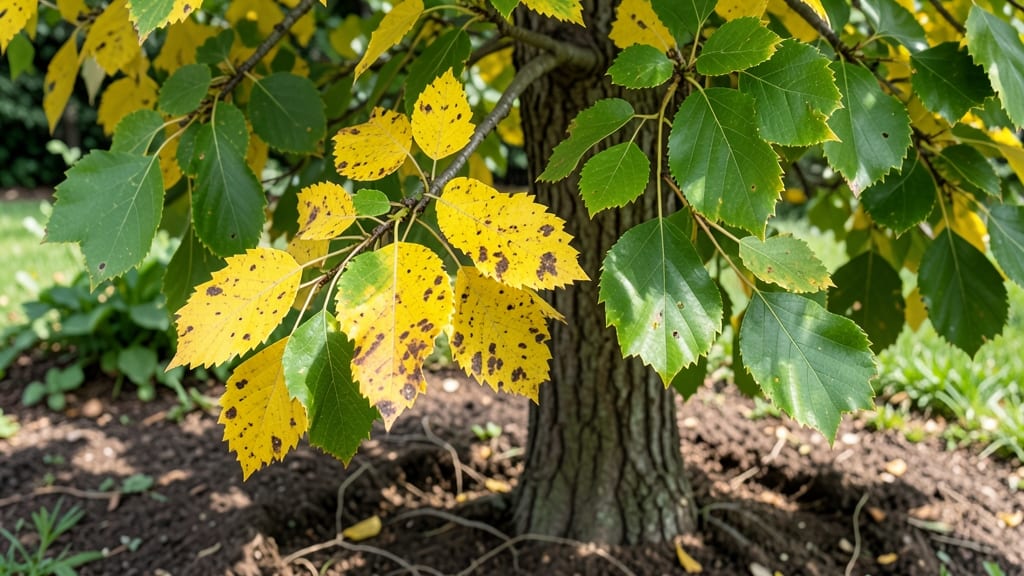
Elm tree yellow leaves usually signal stress from fungal diseases like Dutch elm disease, nutrient deficiencies, environmental factors, or pest infestations. Identify the pattern—gradual yellowing, spots, or wilting—to pinpoint the cause and treat accordingly.
Yellowing elm leaves often start as a subtle shift in color before progressing to more obvious signs of distress. 🌿 The key is to look beyond just the color—check for accompanying symptoms like curled edges, blackened veins (a classic sign of Dutch elm disease), or powdery white residue (indicating mildew).
I’ve seen cases where homeowners dismissed early yellowing as seasonal changes, only to discover a treatable fungal infection had already taken root. Environmental factors like drought or poor drainage can also mimic disease symptoms, so always examine the tree’s overall health and growing conditions before jumping to conclusions.
For accurate diagnosis, focus on three critical areas: the leaves themselves (both top and undersides), the bark, and the soil. Many fungal infections begin on the undersides of leaves, where you might spot tiny black or brown spots. Meanwhile, pest damage often shows as irregular holes or chewed edges.
Testing your soil’s pH and nutrient levels can reveal deficiencies that might be contributing to the problem, especially if the yellowing is paired with stunted growth or sparse foliage.
💡 In This Article
- Common Elm Tree Diseases Causing Yellow Leaves
- Diagnosing Yellow Leaves: Step-by-Step Elm Tree Checklist
Common elm tree diseases causing yellow leaves
Dutch elm disease (DED) is the most notorious culprit behind yellowing elm leaves, caused by the fungus Ophiostoma novo-ulmi. This pathogen clogs the tree’s vascular system, disrupting water and nutrient flow.
You’ll notice dark streaks in the leaf veins (a telltale sign) and wilting even when the soil is moist.
The fungus spreads via elm bark beetles, which carry spores in their mouthparts. 🌳 Once infected, elms can die within weeks unless treated with fungicides like propiconazole, which must be applied during beetle flight seasons (spring and fall).
Powdery mildew, another common fungal issue, appears as white, powdery patches on leaf surfaces, often starting on the undersides. This fungus thrives in humid conditions and blocks sunlight, causing yellowing as the leaf tissue weakens.
Unlike DED, powdery mildew doesn’t kill trees quickly but can reduce photosynthesis by up to 60% if left unchecked. Neem oil or sulfur sprays (applied in early morning) are effective treatments, but prevention—like improving air circulation—is key. 🌿
Leaf spot diseases, such as anthracnose, create irregular brown or black spots with yellow halos. These spots enlarge over time, leading to premature leaf drop. The fungus overwinters in fallen leaves, so raking and disposing of debris is critical.
Copper fungicides can help, but organic options like baking soda mixtures (1 tablespoon per gallon of water) also work for mild cases. The key difference? Leaf spots rarely kill mature trees but can weaken them over time.
Pests like elm leaf beetles or aphids also trigger yellowing by feeding on sap, which disrupts chlorophyll production. Look for chewed leaf edges or sticky honeydew residue on branches. Insecticidal soaps or horticultural oils (applied when pests are active) are often sufficient.
The damage here is usually cosmetic, but severe infestations can stress trees enough to invite secondary infections.
Environmental stress—like drought or compacted soil—can mimic disease symptoms. Check the soil moisture: if the top 2 inches are dry, water deeply. Yellowing from nutrient deficiencies (like iron or nitrogen) often starts on older leaves first.
A soil test (costs ~$20) reveals imbalances, and organic amendments (compost or slow-release fertilizer) can restore health. 🌱