
Pruning
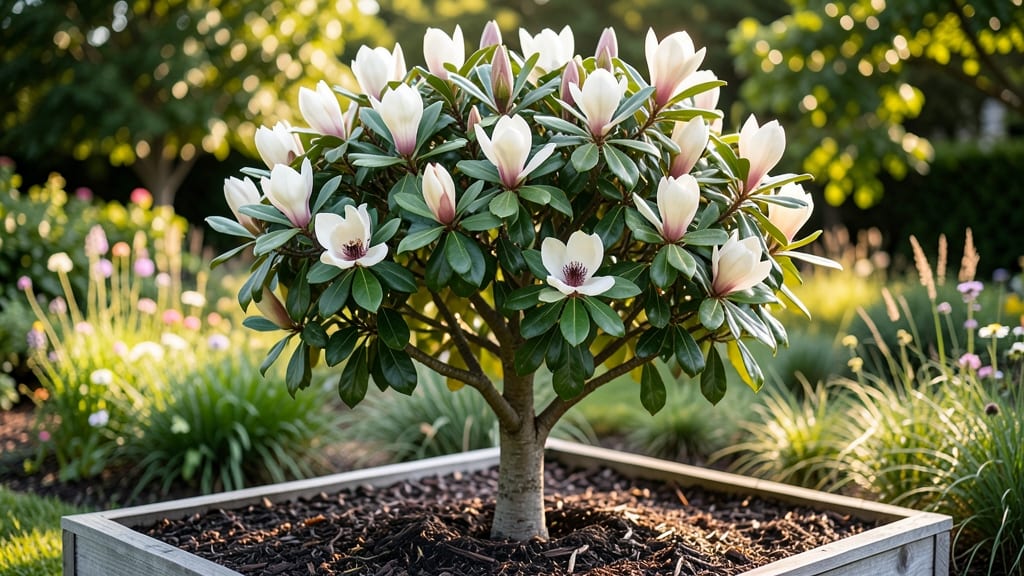
A dwarf magnolia tree height can transform your garden into a fragrant, floral haven without dominating your space.
If you love the stunning blooms of magnolias but lack the space for towering giants, dwarf varieties offer the same breathtaking flowers in a compact, manageable package—perfect for small yards, containers, or foundation plantings.
These trees typically mature between 3 to 6 feet, making them ideal for urban gardens, patios, or even as striking focal points along walkways.
Their smaller stature doesn’t mean sacrificing beauty—many cultivars burst with vibrant blooms in shades of pink, purple, or white, often earlier than their full-sized counterparts.
Whether you’re designing a cozy courtyard or adding a touch of elegance to a tight border, understanding how these trees grow helps you place them just right. Below, we’ll explore five top dwarf varieties, their ideal spacing, and how to keep them thriving for years to come.

5 Dwarf magnolia varieties and their mature heights under 6 feet
If you're dreaming of magnolia blooms but limited by space, dwarf varieties deliver the same showstopping flowers in a fraction of the footprint. These compact trees typically mature between 3 to 6 feet, making them perfect for small yards, containers, or even as striking focal points in foundation plantings.
The key is selecting the right variety for your climate and design needs—each offers unique height characteristics and growth habits.
I've grown several dwarf magnolias in my own garden, and the difference in their mature heights—even among varieties under 6 feet—can dramatically impact your planting decisions. For example, 'Little Gem' stays consistently under 5 feet, while 'Jane' can reach closer to 6 feet with ideal conditions.
Understanding these variations helps you choose a tree that fits your space while still delivering those iconic magnolia blooms in spring.
The 'Little Gem' is my top recommendation for tight spaces—its 4-5 foot mature height makes it ideal for containers or narrow garden beds. I planted one in a 15-gallon pot last year, and it's thriving with minimal root restriction.
The key is using a high-quality potting mix with good drainage to prevent root rot in container-grown specimens.
For those who want a slightly taller statement piece, 'Jane' reaches 5-6 feet while maintaining a graceful, multi-trunk form. This variety excels in USDA zones 4-8, making it one of the hardiest options.
I've seen it used beautifully as a small shade tree in suburban front yards, where its height creates just enough canopy without overwhelming the space.
If you're drawn to the whimsical look of a bushy, multi-stemmed tree, 'Teddy Bear' is a charming choice with a 3-5 foot mature height. Its compact growth makes it perfect for foundation plantings or as a privacy screen along fences.
The trade-off is slightly smaller blooms compared to taller varieties, but the volume of flowers more than makes up for it.
For early spring color, 'Black Tulip' delivers dramatic deep purple-black blooms on a tree that reaches 5-6 feet. This variety has the broadest hardiness range (zones 5-9), which is why I recommend it for gardeners in cooler climates.
Its upright habit makes it excellent for vertical accents in small gardens or as a specimen plant in mixed borders.
Don't overlook 'Ann' if you want a low-maintenance option with 4-5 foot height and fragrant white blooms. This variety handles urban pollution better than most magnolias, making it ideal for city gardens. I've successfully grown it in partial shade conditions where other varieties struggled, proving its adaptability.
When selecting any dwarf magnolia, pay close attention to your microclimate. Even within the same hardiness zone, afternoon sun exposure can cause leaf scorch in some varieties. For example, 'Jane' handles more sun than 'Teddy Bear', which prefers morning sun with afternoon shade.
Always plant in well-draining, acidic soil (pH 5.0-6.0) for optimal growth.
Pro tip: If you're using dwarf magnolias in container gardens, choose varieties like 'Little Gem' or 'Ann' that tolerate root restriction well. For in-ground planting, leave 3-4 feet of clearance around the base for mulch and airflow. This prevents soil-borne diseases that can stunt growth and reduce flowering.
How to choose the right dwarf magnolia for your space and climate
Choosing the perfect dwarf magnolia for your garden means balancing space constraints with climate suitability. These stunning trees typically reach 6-10 feet at maturity, making them ideal for small yards, containers, or urban landscapes.
But not all dwarf varieties thrive equally—your sunlight exposure, hardiness zone, and soil type play critical roles in their success.
First, consider your local climate. Most dwarf magnolias thrive in USDA zones 5-9, but some varieties like 'Teddy Bear' extend their range to zone 4.
If you live in a hot, dry region, opt for varieties like 'Little Gem', which handles afternoon shade and moderate drought better than others. For cooler climates, 'Black Tulip' is a hardy choice that blooms reliably even in zone 5.
Next, evaluate your available sunlight. Dwarf magnolias prefer partial shade—typically 3-6 hours of morning sun with afternoon protection. If your space gets full sun exposure, you’ll need to supplement with regular watering and mulch to prevent stress.
For shadier areas, 'Jane' or 'Ann' varieties adapt well, though they may produce slightly fewer blooms.
When deciding between container planting and in-ground installation, prioritize root health. Dwarf magnolias in pots need well-draining soil and large containers (20+ gallons) to prevent root bound conditions. For in-ground planting, amend your soil with compost and ensure the planting hole is twice as wide as the root ball.
Always plant at the same depth as the container to avoid stem rot.
Soil preferences are another key factor. Dwarf magnolias prefer acidic to neutral soil (pH 5.0-7.0). If your soil is alkaline, mix in peat moss or pine bark to lower the pH. Avoid heavy clay soils, which can suffocate roots.
For container growers, use a balanced potting mix with perlite for aeration. Regular mulching (2-3 inches) helps retain moisture and regulate soil temperature.
Finally, think about long-term maintenance. Dwarf magnolias are low-maintenance but benefit from annual pruning to shape growth and remove dead branches. If you’re planting near a walkway or patio, choose 'Little Gem' or 'Jane'—their narrower canopies make them safer for high-traffic areas.
For a privacy screen, 'Black Tulip' grows wider and denser over time, creating a natural barrier.
With the right variety selection and planting strategy, your dwarf magnolia will reward you with seasonal blooms for decades—all while staying perfectly proportioned to your space.
Start by matching your climate and sunlight to the variety, then focus on soil and container prep for the healthiest growth. Happy planting! 🌿