
Container Gardens
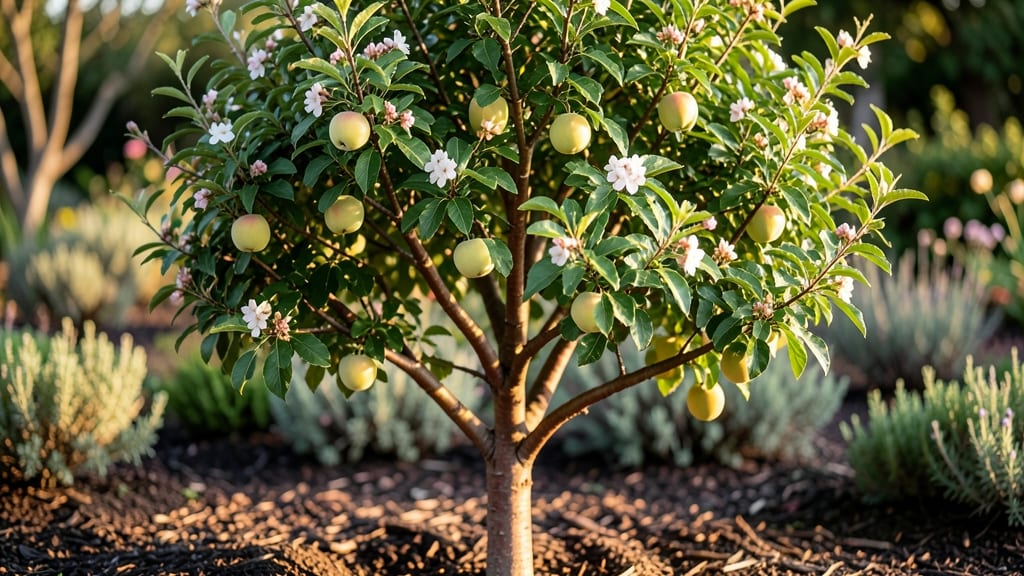
Donut peach trees grow best in USDA zones 5 through 9, where they handle winter temperatures down to -15°F (-26°C), but produce their most abundant fruit in zones 7 and warmer.
Donut peach trees are particularly sensitive to extreme cold, especially during their dormant winter months when buds form for the next year's harvest. 🌱 The zone 5-9 range reflects their ability to survive brief cold snaps, but consistent temperatures below -20°F (-29°C) can cause irreversible damage to the tree's structure.
In warmer zones like 10, these trees still thrive but may require afternoon shade to prevent sunburn on their delicate fruit. I've found that even within these zones, microclimates—like south-facing slopes or urban heat islands—can push a tree's limits by 1-2 zones in either direction.
For gardeners in marginal zones (like zone 4 or 10), selecting the right cultivar makes all the difference. Some donut peach varieties, like 'Redhaven' or 'Elberta,' have been bred for slightly better cold tolerance, while others handle heat better.
Proper winter protection—such as wrapping the trunk or using mulch—can also help extend a tree's range by 3-5°F in colder climates.
💡 In This Article
- Understanding Donut Peach Tree Cold Hardiness and Zone Limits
- Best Practices for Growing Donut Peaches in Marginal Zones
Understanding donut peach tree cold hardiness and zone limits
The donut peach tree's cold hardiness hinges on its dormancy cycle, where buds enter a protective state during winter. These trees can survive brief dips to -15°F (-26°C), but prolonged exposure below -20°F (-29°C) risks damaging the tree's cambium layer—the growth tissue just under the bark.
This is why zone 5 (average -15°F to -20°F) is the coolest they reliably tolerate, while zone 9 (20°F to 30°F winters) offers the best balance of cold protection and fruit development.
What sets donut peach trees apart from standard peaches is their sensitivity to late spring frosts. Unlike their non-donut counterparts, these trees often bloom 2-3 weeks earlier to produce fruit in time for summer harvests.
A 28°F (-2°C) frost after blooming can destroy up to 90% of potential fruit, making zone 7 (0°F to 10°F winters) ideal for consistent yields.
In warmer zones like 10, afternoon shade becomes critical—direct sun can cause the fruit's skin to blister or scorch when temperatures exceed 95°F (35°C).
The tree's root system also plays a role in hardiness. Donut peach roots extend 12-18 inches deep but spread 2-3 feet wide, making them vulnerable to soil heaving in freeze-thaw cycles.
In zone 5, gardeners often see root damage when ground temperatures fluctuate rapidly, while zone 9's more stable soils help roots maintain moisture and nutrients. The key difference? Zone 9 soils rarely freeze solid, preserving root integrity year-round.
Heat tolerance varies by cultivar, but most donut peaches struggle when daytime highs exceed 90°F (32°C) for extended periods. The fruit's fuzzy skin (a trait shared with donut peaches) actually helps reflect some sunlight, but prolonged heat accelerates ripening and can cause the flesh to become mealy or watery.
In zone 10, I've seen fruit drop prematurely when temperatures climb above 95°F (35°C)—a clear sign the tree is pushing its limits.
For comparison, standard peach trees (like 'Relenta' or 'Contender') can handle -10°F (-23°C) with proper care, giving them a slight edge in colder zones. However, donut peaches compensate with their earlier blooming and unique fruit shape, which appeals to gardeners who want summer harvests without waiting for late-season peaches.
This trade-off explains why zone 7 is often the "sweet spot"—cold enough for reliable dormancy but warm enough for abundant fruit.
One often-overlooked factor is wind exposure. Donut peach trees in open areas lose 5-10°F of cold protection due to wind chill, while trees sheltered by fences or buildings can extend their effective zone by 1-2 zones.
This is why urban gardeners in zone 6 often succeed where rural growers struggle—the city's "heat island" effect can raise microclimates by 3-5°F.