
Pruning
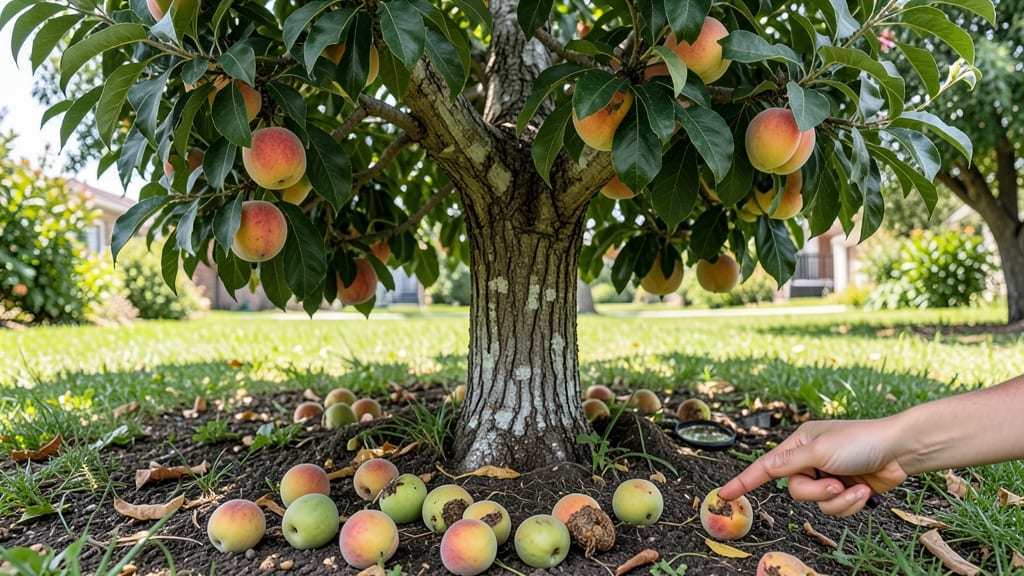
Peach tree fruit drop can turn your summer harvest into a heartbreaking disappointment—unless you know these 3 pruning secrets that keep fruit hanging until ripe. 🌿 I’ve watched my own trees go from dropping half their crop to holding onto every peach, and the difference comes down to timing, technique, and a few surprises most gardeners miss.
The most common causes—overcrowded branches, poor pollination, or sudden stress—often start with pruning mistakes. You might be cutting too late in the season, removing too many fruit buds at once, or ignoring the tree’s natural shape.
Even pests like aphids or borers can trigger early fruit drop, but the fix isn’t just pesticides—it’s strategic pruning that balances growth and fruit load.
By adjusting your pruning schedule, thinning fruit clusters properly, and strengthening the tree’s structure, you’ll see fewer dropped peaches and bigger, sweeter harvests.
The key is working with the tree’s rhythm, not against it—think of it as giving your peach tree a supportive framework to hold onto its fruit until you’re picking it fresh from the branch.
Whether you’re dealing with a young tree or a mature one that’s suddenly struggling, these tricks adapt to any peach variety. The best part? You’ll notice results in just one growing season—no waiting years for improvement. Let’s get those branches ready to hold fruit like they’re supposed to.
Root Causes Of Premature Fruit Loss
Understanding why your peach tree drops fruit before harvest is the first step to fixing the problem. These issues often stem from environmental stress, physiological imbalances, or poor tree health. Below are the key triggers behind premature fruit drop, explained in clear, actionable terms.
Peach trees are sensitive to rapid temperature swings, especially during bloom and early fruit set. When nights are too cold (<50°F) or days are scorching (>95°F), the tree’s metabolic processes shut down or overheat, causing flowers and young fruit to abort.
- Cold Stress (Spring Frosts): - Peaches require chilling hours (300–1,000, depending on variety) to break dormancy. If winter chilling is insufficient, the tree may fail to pollinate properly, leading to poor fruit retention. - Late frosts (below 28°F) after bloom can kill pollen, preventing fertilization.
Even if flowers survive, unfertilized ovaries drop within 7–10 days. - Actionable Fix: Plant cold-hardy varieties (e.g., ‘Elberta’, ‘Redhaven’) in microclimates sheltered from frost pockets. Use frost blankets or smoke generators during critical bloom periods.
- Heat Stress (Summer Scorch): - High daytime temps disrupt photosynthesis, starving developing fruit of energy.
If nights don’t cool below 75°F, the tree can’t recover, leading to pre-harvest drop. - Actionable Fix: Provide afternoon shade (30–50%) with shade cloth or plant near deciduous trees. Deep watering (1–2 inches per week) reduces heat stress.
Peach trees need consistent moisture—too little or too much water throws off their hormonal balance, triggering abscission (the natural process of dropping fruit).
- Drought Stress: - Young fruit relies on auxin hormones (produced in leaves) to stay attached.
When soil dries out, ethylene gas (a stress hormone) floods the tree, signaling fruit to drop. - Signs: Wilting leaves, crispy leaf edges, fruit shriveling. - Actionable Fix: Drip irrigation is ideal—water deeply 2–3 times per week (not daily shallow watering). Mulch with wood chips (3–4 inches) to retain moisture.
- Overwatering & Root Suffocation: - Waterlogged soil cuts off oxygen, causing root rot (Phytophthora or Fusarium). A stressed root system can’t support fruit, leading to drop. - Signs: Yellowing leaves, mushy roots, fruit falling early. - Actionable Fix: Ensure well-draining soil (amend clay with compost/sand).
Avoid overhead watering—stick to soaker hoses at the drip line.
Peaches are self-pollinating but not self-fertile—they need cross-pollination from another tree (or hand-pollination) for consistent fruit set. Even if pollination happens, nutritional deficiencies can cause early drop.
- Poor Pollination:
- Lack of bees (due to pesticides, bad weather, or late blooms) means unfertilized flowers drop within 1–2 weeks.
- Actionable Fix: Plant two compatible varieties (e.g., ‘Relenta’ + ‘Contender’) 20–30 feet apart. Avoid neonicotinoid pesticides—they repel bees. Hand-pollinate with a paintbrush if needed.
- Nutrient Imbalances:
- Nitrogen deficiency → Small, weak fruit that drops.
- Boron or Calcium deficiency → Blossom end rot (fruit turns brown and falls).
- Excess Potassium → Delays fruit maturation, increasing drop risk.
- Actionable Fix: Test soil annually and amend with:
- Balanced fertilizer (10-10-10) in early spring.
- Boron supplement (1–2 lbs per acre) if leaves show cracking or dieback.
- Calcium nitrate (1 lb per 100 gallons of water) as a foliar spray during fruit set.
Certain pests and pathogens sap the tree’s energy, forcing it to prioritize survival over fruit retention.
- Peach Tree Borers & Curculio Weevils:
- Larvae chew roots and fruit, causing premature drop.
- Signs: Sawdust-like frass, holes in fruit, wilting branches.
- Actionable Fix: Prune infested branches in dormant season. Apply beneficial nematodes (Heterorhabditis bacteriophora) or kaolin clay spray as a barrier.
- **Brown Rot (Monilinia fructicola):
- Fungal spores
- Signs: Pink/orange spores on fallen fruit, cankers on branches.
- Actionable Fix: Remove infected fruit and sterilize pruners. Spray copper fungicide at pink bud stage and petal fall.
- These suck sap, weakening the tree and triggering ethylene production (which causes drop).
- Signs: Sticky residue (honeydew), curled leaves, webbing.
- Actionable Fix: Blast off with water spray (knocks them off). Use neem oil or insecticidal soap if severe.
A young, stressed, or overloaded peach tree will drop fruit to conserve energy.
- First-Year Trees:
- Trees <3 years old often drop fruit because they’re focused on root/growth, not fruiting.
- Actionable Fix: Thin fruit (remove 50% of small fruit) to reduce stress. Avoid heavy fertilizing—too much nitrogen = more drop.
- Overpruning or Root Damage:
- Aggressive pruning (removing >25% of canopy) or root injury (from tilling or construction) shocks the tree, leading to drop.
- Actionable Fix: Prune only in dormant season (late winter). Keep 3–5 scaffold branches for structure.
- Competition from Weeds:
- Weeds steal water/nutrients, weakening the tree.
- Actionable Fix: Mulch heavily (4-inch radius) and hand-pull weeds—avoid herbicides near the drip line.
Peach trees naturally thin fruit to ensure the remaining ones grow large. However, human intervention (or lack thereof) can disrupt this process.
- June Drop (Natural Thinning):
- 1–3 weeks after petal fall, the tree drops 50–80% of fruit to reduce competition for resources.
- Actionable Fix: Don’t panic—this is normal! Focus on watering and pest control during this phase.
- Artificial Thinning Gone Wrong:
- Over-thinning (removing too much fruit) can reduce photosynthesis, leading to late-season drop.
- Actionable Fix: Leave 6–8 inches between fruit on branches. Use sharp pruners to avoid tearing stems.
External forces can physically damage fruit, causing it to fall prematurely.
- Wind & Hail:
- Strong winds disrupt pollination and bruise fruit, leading to drop.
- Actionable Fix: Stake young trees or plant near a windbreak (e.g., shrubs, fence). Harvest hail-damaged fruit immediately to prevent rot.
- Wildlife (Birds, Deer, Squirrels):
- Animals peck or gnaw fruit, causing it to fall.
- Actionable Fix: Use netting over trees during ripening. Reflective tape or deer fencing can deter critters.
Pro Tip: 💡 *Keep a fruit drop journal—note when/why
How to Fix Dropping Peaches
Few things are more frustrating than watching your peaches drop prematurely—especially when you’ve worked hard to nurture your tree. The good news? Most causes of fruit drop are manageable with the right approach.
Below, we’ll break down practical fixes for common triggers, from environmental stress to poor pollination, plus prevention tips to keep your peaches hanging strong until harvest.
Cause: Too many flowers/fruit competing for resources, leading to early drop. Solution: Thin fruit early (when peaches are golf-ball sized) to reduce stress on the tree.
- 🔥 Step 1: Assess the Load
- Remove 50–70% of excess fruit by hand. Aim for 6–12 inches between peaches on branches.
- Focus on keeping the largest, healthiest fruits—small or misshapen ones are safe to remove.
- 👨🍳 Step 2: Prune for Airflow
- Thin out overcrowded branches to improve sunlight and airflow. Use clean, sharp pruners to avoid disease.
- Remove suckers (shoots at the base) and water sprouts (vertical growth) that drain energy.
- 💡 Pro Tip: If your tree is young (<3 years old), prioritize structural pruning over fruit thinning—let it focus on growth first!
Cause: Extreme heat or dry spells cause peaches to drop before ripening. Solution: Boost moisture retention and protect the tree during heatwaves.
- 🥘 Step 1: Deep Watering
- Water deeply 2–3 times per week (1–1.5 inches per session) during dry spells. Use drip irrigation or soaker hoses to avoid wetting leaves (which promotes disease).
- Mulch heavily (3–4 inches of organic mulch like wood chips) to retain soil moisture.
- 🌿 Step 2: Shade & Windbreaks
- Install shade cloth (30–50%) during peak summer if your tree is in a hot, sunny spot.
- Plant windbreaks (like tall grasses or shrubs) if your area has strong afternoon breezes.
- ✨ Pro Tip: Morning watering is best—it reduces evaporation and gives roots time to absorb moisture before the heat sets in.
Cause: Poor pollination or nutrient deficiencies lead to weak fruit set. Solution: Support pollinators and feed your tree the right nutrients.
- 🍳 Step 1: Attract Bees & Pollinators
- Plant bee-friendly flowers (like lavender, sunflowers, or clover) near your peach tree.
- Avoid pesticides during bloom time—opt for neem oil or horticultural soap if pests appear.
- 💪 Step 2: Fertilize Smartly
- Early spring: Apply a balanced fertilizer (10-10-10) to encourage bloom.
- Post-bloom (6–8 weeks later): Switch to a low-nitrogen, high-phosphorus fertilizer (like 5-10-10) to support fruit development.
- 📊 Soil Test First! If your soil lacks zinc or boron, supplement with chelated micronutrients (common deficiencies in peach trees).
- 🎯 Pro Tip: A light Epsom salt spray (1 tbsp/gallon) can help if you suspect magnesium deficiency—just spray foliage in the morning!
Cause: Insects (like peach tree borers) or diseases (like brown rot) weaken the tree, causing drop. Solution: Monitor and treat issues before they spiral.
- 🐛 Step 1: Inspect Regularly
- Check for sawdust-like frass (borer sign) or black spots (brown rot) on fruit/leaves.
- Shake branches over a white sheet to spot aphids, mites, or scale insects.
- 🛡️ Step 2: Treat Proactively
- Organic options:
- Neem oil (for pests/diseases) – spray at dusk to avoid harming bees.
- Bacillus thuringiensis (Bt) – targets caterpillars that munch on leaves.
- Conventional options (if severe):
- Systemic fungicide (like copper spray) for brown rot.
- Imidacloprid (for borers—apply to soil in early spring).
- Organic options:
- 🔥 Pro Tip: Remove and destroy (don’t compost!) dropped fruit with signs of brown rot to prevent reinfection.
To keep fruit drop at bay year after year, follow this seasonal maintenance guide:
| Season | Task | Why It Helps |
|---|---|---|
| Winter | Prune dormant branches | Improves airflow, reduces disease risk. |
| Early Spring | Fertilize + thin suckers | Sets up strong bloom and growth. |
| Bloom Time | Protect pollinators | Ensures proper fruit set. |
| Summer | Mulch + deep water | Prevents drought stress. |
| Fall | Clean up debris + spray copper | Reduces overwintering pests/diseases. |
Final Thought: Most fruit drop is preventable with consistent care. Start with thinning, watering, and pollinator support, then tackle pests/diseases as needed. Your peach tree will thank you with a bountiful, late-season harvest! 🍑✨
Frequently asked questions about peach tree fruit drop
Why does my peach tree drop so many fruits right after blooming?
This is called June drop—a natural process where trees shed 50-80% of fruit to focus energy on developing the remaining peaches. It’s normal! Focus on watering deeply and protecting from pests during this phase. If you see excessive drop beyond 3 weeks after bloom, check for nutrient deficiencies or heat stress.
How can I tell if my peach tree is dropping fruit because of pests or disease?
Look for these clues: Sawdust-like frass on branches (borers), holes in fruit (curculio weevils), or pink/orange spores (brown rot). Aphids or mites leave sticky residue (honeydew) on leaves. If you spot these signs, treat immediately with neem oil or copper fungicide.
When is the best time to prune my peach tree to prevent fruit drop?
Prune only during dormancy (late winter/early spring) to avoid shocking the tree. Remove dead, crossing, or diseased branches first, then thin to improve airflow. Never prune after June—this disrupts the tree’s energy balance and can trigger more fruit drop. Keep 3-5 main scaffold branches for structure.
Can I save peaches that have already fallen due to drop?
Only if they’re firm and unblemished—pick them up immediately to prevent rot. Store in a cool, dry place (not refrigerated) for 1-2 weeks max. Discard any with soft spots, mold, or insect damage. For future harvests, focus on early thinning and consistent watering to reduce drop.
What’s the difference between natural thinning and a problem with my peach tree?
Natural thinning (June drop) happens 1-3 weeks after bloom and affects small, underdeveloped fruit. A problem occurs if: drop happens before bloom (pollination issue), after June (nutrient/pest issue), or if leaves yellow/wilt (disease/root stress). Monitor for 3+ weeks of consistent drop—that’s when to investigate further.