
Planting
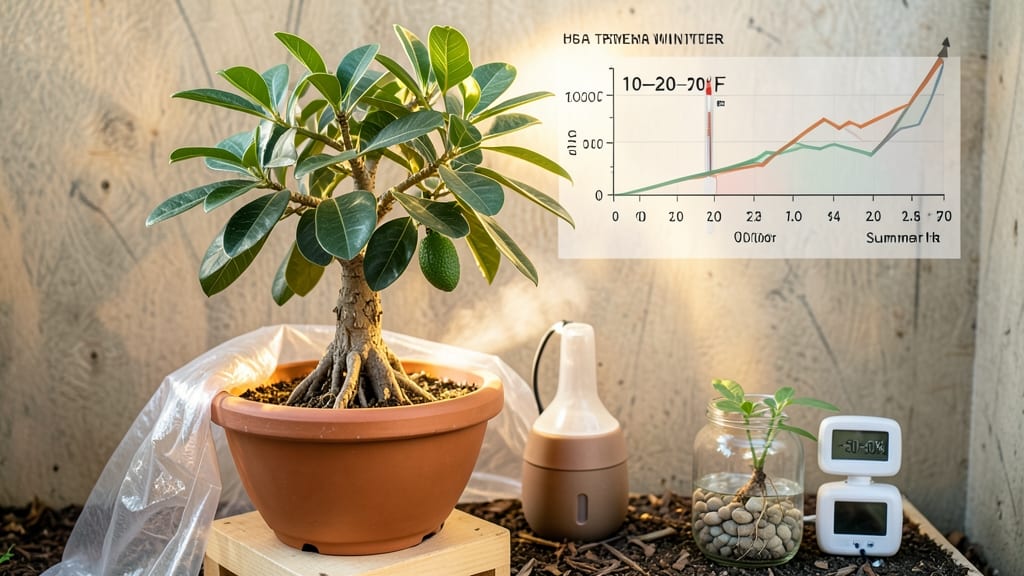
Avocado trees can grow in Ohio, but only as indoor houseplants since the state's cold winters (USDA Zones 5-6) drop below the tree's frost-sensitive 10°F minimum. Outdoor planting is impossible without overwintering in containers indoors, where they need bright light and stable warmth.
Ohio's climate presents a major challenge for avocado trees, which are tropical plants adapted to USDA Zones 10-11. 🌱 The key issue is their inability to tolerate freezing temperatures—even a brief dip below 32°F can damage leaves and roots permanently.
That's why successful Ohio growers treat their avocado trees like delicate houseplants, moving them indoors before the first frost and providing supplemental grow lights during winter months when natural sunlight is scarce.
With proper care, these trees can reach heights of 6-10 feet indoors, though they'll never produce fruit in Ohio's climate.
What makes this work is creating microclimates that mimic tropical conditions. I've seen Ohio gardeners use south-facing windows with sheer curtains to diffuse harsh sunlight while maintaining warmth, combined with space heaters during winter nights.
The secret weapon is actually the container size—larger pots (15+ gallons) help stabilize temperature fluctuations better than small ones. Just remember: patience is key, as it can take 3-5 years for an indoor avocado tree to mature enough to even consider flowering.
💡 In This Article
- Avocado Tree Cold Tolerance and USDA Zone Limits
- Indoor Avocado Tree Care for Ohio Growers
Avocado tree cold tolerance and USDA Zone limits
Avocado trees (Persea americana) are tropical plants that evolved in USDA Zones 10-11, where temperatures rarely drop below 50°F. Their cold sensitivity stems from the delicate cell membranes in leaves and stems, which rupture when exposed to frost.
Even brief dips below 32°F trigger ice crystal formation in plant tissues, causing irreversible damage. Ohio's harsh winters (Zone 5-6) with sub-zero temperatures make outdoor cultivation impossible unless you're willing to accept leaf loss and potential death every year.
The real danger lies in the roots, which can't survive below 40°F.
Avocado roots contain high concentrations of unsaturated fats that solidify in cold temperatures, blocking water and nutrient uptake. 🌡️ In Florida (Zone 9), where avocados grow commercially, growers use windbreaks and irrigation to protect trees during rare cold snaps.
Ohio's climate lacks these natural protections, forcing growers to rely entirely on human intervention. The tree's native habitat along Mexico's Pacific coast receives 12+ hours of sunlight daily year-round—something Ohio can't replicate without supplemental lighting.
What most people don't realize is how quickly cold damage occurs. Avocado leaves can show frost burn within 15-30 minutes of exposure to 28°F temperatures. The damage appears as brown, papery patches that spread rapidly.
Even if the tree survives, it enters a state of shock that stunts growth for months. This is why Ohio growers must move potted trees indoors by October 15th at the latest, before the first hard frost typically arrives.
Container size plays a crucial role in cold tolerance. Smaller pots (5-gallon) cool down faster than larger ones (15+ gallons) because the soil mass has less thermal inertia.
The ideal container should have a 1:1 soil-to-pot ratio—meaning a 15-gallon pot needs about 15 gallons of soil. This extra mass helps moderate temperature swings. Some Ohio growers even wrap containers in bubble wrap during winter months to provide additional insulation against indoor temperature fluctuations.
There's a common misconception that avocado trees can handle Ohio's summers. While they tolerate heat well (up to 95°F with proper watering), the real challenge comes from Ohio's 100+ degree Fahrenheit heat waves combined with low humidity.
Avocado trees prefer 60-80% humidity, and Ohio's dry summer air (often 40% humidity) causes leaf edges to brown—a condition called "scorch." This is why indoor growers must use humidifiers or place pebble trays under containers during summer months.
For those considering outdoor planting, even in Ohio's warmer southern counties (like Cincinnati or Columbus), the risk remains too high. A single 24-hour cold snap below 25°F can kill an outdoor avocado tree, regardless of its age or size.
The only exception would be microclimates like heated greenhouses, where temperatures can be carefully controlled year-round. But for most Ohio homeowners, the indoor-only approach remains the only viable option.