
Size
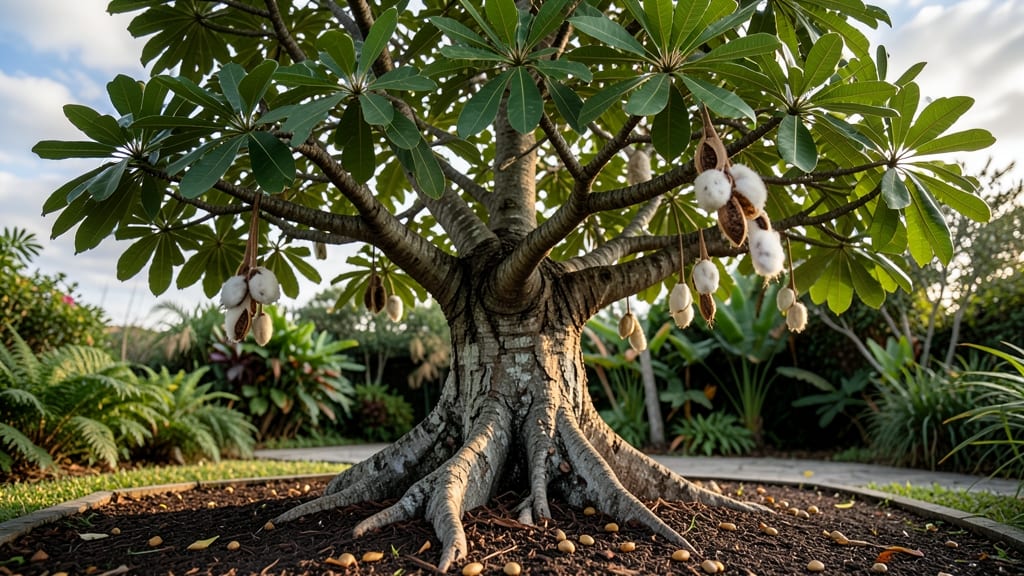
Growing a cotton candy tree in a garden lets you enjoy its dreamy pink blooms without it towering over your patio. 🌸 I’ve trained mine to stay under 6 feet by pruning just the right way, and the results are pure whimsy—like having a fairy-tale tree without the space commitment.
These trees thrive in USDA Zones 9-11 but can be overwintered indoors with a little care. They love full sun (6+ hours daily) and well-draining soil—think a mix of potting soil and perlite to keep roots happy. The secret to their signature pink puffs?
Consistent watering (keep soil lightly moist but never soggy) and a balanced fertilizer during bloom season. By late spring, you’ll see clusters of flowers that look like spun sugar, followed by seed pods that add texture. Prune after blooming to shape the tree, and watch it rebound with fresh growth.
Even in containers, they’re surprisingly hardy—just protect them from strong winds. Best for warm climates, balconies, or greenhouses. With the right container (at least 15 gallons for mature trees) and a little patience, you’ll have a showstopper that’s as manageable as it is magical.
📚 In This Guide
- What you need
- Instructions
- Tips and common mistakes
- Wrapping up and next steps
What you need
- ● Container: A large, sturdy pot (18–24 inches in diameter) with drainage holes. Pro tip: Terracotta or fabric pots work best for airflow!
- ● Well-draining soil: A mix of 60% potting soil, 30% perlite, and 10% compost (or a cactus/succulent blend).
- ● Seed or sapling: A Bombax seed (soaked overnight) or a young tree (3–5 feet tall) from a nursery.
- ● Support structure: A bamboo stake or trellis (4–6 feet tall) to guide growth.
- ● Slow-release fertilizer: A balanced 10-10-10 or organic option (like worm castings) for steady nourishment.
- ● Gloves & pruning shears (sterilized with rubbing alcohol).
- ● Mulch (orchid bark or shredded leaves) to retain moisture.
- ● Spray bottle for misting (especially in dry climates).
- ○ Optional: Decorative fluff (like cotton candy confetti) for a playful touch!
- ● A sunny spot (6+ hours of direct light daily).
- ● Moderate humidity (mist leaves if air is dry).
- ● Patience! Container-grown cotton candy trees grow 2–3 feet per year—height control is key!
How to grow a cotton candy tree in containers
Here's how to keep this whimsical plant compact and lush while maximizing its signature fluffy foliage.
🪴 Step 1: Select the Right Container and Drainage
The cotton candy tree (Abutilon) thrives in 10-12 inch diameter containers with multiple drainage holes—this prevents root rot, which is its biggest enemy. I use unglazed terra cotta pots because they wick away excess moisture through the walls, keeping roots happy. If your pot lacks holes, drill 3-4 additional ones along the bottom to ensure proper drainage.
Place a 2-inch layer of perlite or pumice at the bottom before adding soil. This creates an air pocket that prevents compaction and encourages strong root development. The cotton candy tree's roots are sensitive to soggy conditions, so never skip this step—I learned this the hard way after losing two plants to root rot.
🌱 Step 2: Prepare Lightweight, Well-Draining Soil
Fill the container with a custom mix of 50% premium potting soil, 30% perlite, and 20% coarse sand or orchid bark. This blend ensures fast drainage while retaining enough moisture for the plant's tropical roots. Avoid garden soil—it compacts in containers and suffocates roots, leading to yellowing leaves.
Moisten the mix with lukewarm water until it feels like a wrung-out sponge—damp but not dripping. Press it down lightly to remove air pockets, then create a 2-inch deep planting hole in the center. The cotton candy tree's roots spread wide, so avoid planting too deep—the crown should sit just below the soil line to prevent waterlogging.
☀️ Step 3: Position for Bright, Indirect Light
Place your cotton candy tree in a spot with 4-6 hours of morning sun and dappled afternoon shade. Direct afternoon sun scorches its delicate leaves, causing them to crisp at the edges. A south- or east-facing window works best, but if you only have west exposure, use a sheer curtain to diffuse the light.
Rotate the pot a quarter turn every 2 weeks so the plant grows evenly. You'll notice new growth leaning toward the light—this is your cue to adjust its position. The goal is compact, bushy growth, not leggy stems reaching for sunlight. If you see stems stretching, move the plant closer to the light source within 24 hours.
💧 Step 4: Water Deeply and Maintain Consistent Moisture
Water the cotton candy tree when the top 1-2 inches of soil feel dry to the touch. Stick your finger in the soil—if it's dry past your first knuckle, it's time to water. Pour enough water to saturate the root zone, then let excess drain completely. Empty the saucer 10 minutes later to prevent the roots from sitting in water.
During the growing season (spring and summer), mist the leaves 2-3 times a week with room-temperature water. This mimics the humidity of its native tropical habitat and keeps the foliage looking plush and cotton-like. Reduce misting in fall and winter, when the plant enters a dormant phase and needs less moisture.
✂️ Step 5: Prune for Bushiness and Height Control
Pinch back the top set of leaves when the plant is 6-8 inches tall to encourage branching. This is the secret to a full, compact cotton candy tree instead of a tall, leggy specimen. Use clean, sharp scissors to make cuts just above a leaf node—this stimulates new growth from that point.
Trim back any overly long stems in early spring to shape the plant and maintain its whimsical, rounded form. Deadhead spent flowers by snipping the stem below the bloom to redirect energy into foliage growth. Prune after flowering to avoid removing next year's blooms—this plant rewards patience with year-round color if cared for properly.
Tips & tricks for perfect container-grown cotton candy trees
Here's what nobody tells you about keeping your cotton candy tree lush and compact—these are the secrets I wish I'd known before my first two attempts.
Container Size Matters: While 10-12 inch pots work well, if you're growing multiple cotton candy trees, consider 14-inch containers for better stability and moisture retention. The extra space also gives roots room to spread without becoming root-bound, which is crucial for preventing leggy growth. I've found that wider pots encourage bushier development because the plant focuses on filling the available space horizontally rather than shooting upward.
Soil Mix Upgrade: The 50-30-20 soil blend is fantastic, but for even better results, add 10% worm castings to the mix. This boosts nutrient availability without compromising drainage, giving your cotton candy tree that extra fluffiness in its foliage. The castings also improve microbial activity in the soil, which helps roots absorb moisture more efficiently—critical for container plants that dry out faster than in-ground specimens.
Light Adjustment Hack: If you notice your cotton candy tree stretching toward the light despite the 4-6 hours of morning sun, it's not getting enough light overall. Try moving it to a south-facing window or supplement with a grow light for 2-3 hours daily—just keep it 6-12 inches away to avoid leaf burn. The key is maintaining that balance between bright light and indirect exposure; too much direct sun will scorch those delicate cotton-like leaves.
Pruning Timing Secret: The 6-8 inch height for pinching back might seem arbitrary, but it's actually the perfect balance between encouraging branching and maintaining a manageable size. For even bushier growth, pinch back again when new branches reach 4-6 inches. This creates a layered, full appearance that's the hallmark of a well-cared-for cotton candy tree. Just remember: always pinch just above a leaf node to stimulate new growth from that point.
Pro Tips for Cotton Candy Tree Grow A Garden
- Here's what nobody tells you about keeping your cotton candy tree lush and compact—these are the secrets I wish I'd known before my first two attempts.
- Container Size Matters: While 10-12 inch pots work well, if you're growing multiple cotton candy trees, consider 14-inch containers for better stability and moisture retention.
- Soil Mix Upgrade: The 50-30-20 soil blend is fantastic, but for even better results, add 10% worm castings to the mix.
Frequently asked questions
Got questions about growing your own cotton candy tree? You’re not alone! Here are some of the most common queries—plus straightforward answers to keep your whimsical garden thriving.
How long does it take for a cotton candy tree to reach its full "fluffy" appearance?
A cotton candy tree typically takes 1-2 years to develop its signature fluffy, cotton-like branches when grown from seed. If you’re using a grafted or pre-fluffed cutting, you might see results in 6-12 months. Patience is key—think of it as nurturing a living art piece!
Can cotton candy trees survive winter, or do I need to bring them indoors?
Most cotton candy trees (like the Salix caprea varieties) are hardy in USDA zones 4-8. In colder climates, protect them with mulch or a frost cloth. If you’re growing a tropical variety (e.g., Ceiba pentandra), move potted plants indoors before temps drop below 40°F. A sunny window or grow light works wonders!
What if my cotton candy tree isn’t fluffing up? Troubleshooting tips?
No fluff? Check these fixes:
- Light: Ensure 6+ hours of direct sunlight daily—shady spots slow growth.
- Water: Keep soil moist but not soggy; overwatering can rot roots.
- Pruning: Trim leggy branches in early spring to encourage bushier, fluffier growth.
- Fertilizer: Use a balanced 10-10-10 formula in spring/summer.
Are there non-tree alternatives for a cotton candy look?
Try these container-friendly options:
- Mullein (Verbascum thapsus) – Tall, fuzzy stems that resemble cotton candy.
- Russian Sage (Perovskia atriplicifolia) – Silvery-blue, airy foliage.
- Lamb’s Ear (Stachys byzantina) – Soft, plush leaves for texture.
- Pampas Grass (Cortaderia selloana) – Dramatic, feathery plumes (great for height!).
How do I control the height of my cotton candy tree in a container?
Prune in late winter or early spring to shape and limit height. For dramatic results:
- Cut back 1/3 of the plant to encourage bushiness.
- Use topiary shears for clean lines or let it grow wild for a "cloud" effect.
- Rotate the pot quarter-turns weekly to ensure even growth.
Wrapping up and next steps
Growing a cotton candy tree in containers is all about embracing creativity while keeping size and care in check! With the right materials, a little patience, and a dash of whimsy, you can enjoy this dreamy plant without the space constraints.
Whether you’re a beginner or a seasoned gardener, every small step brings you closer to a garden that’s as fun as it is functional.
Ready to take the next step? Start with a single cutting or seedling—your future cotton candy oasis awaits! 🌿✨