
How To
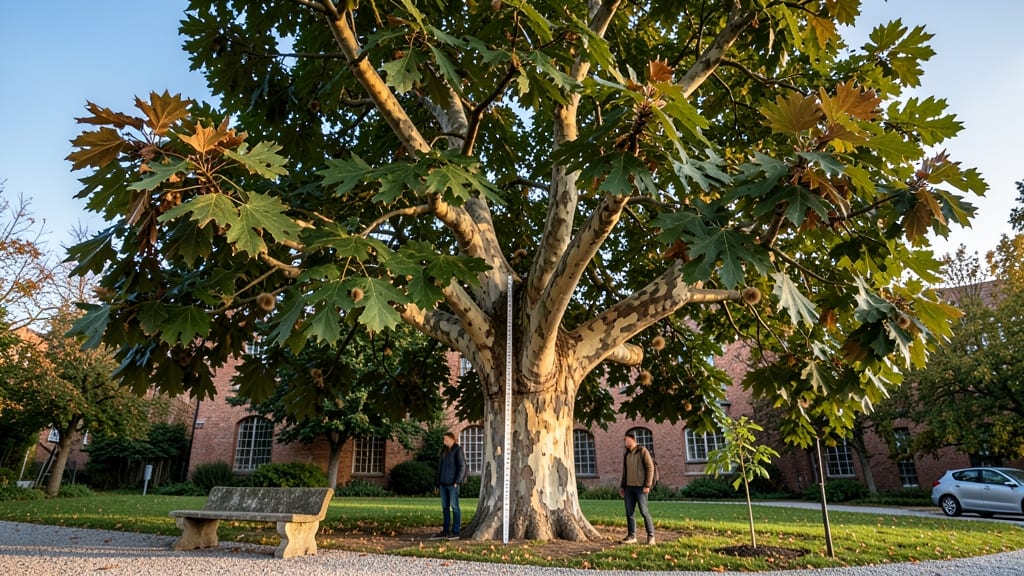
A sycamore tree grows to 70–100 feet at maturity, but how tall does a sycamore tree grow depends entirely on the variety and where you plant it. This fast-growing giant can reach staggering heights, making it one of the fastest-growing shade trees around—but its final size varies widely.
If you're dreaming of a towering shade tree but wondering whether a sycamore fits your space, you're not alone. Planting in USDA Zone 6a or warmer? Expect the American sycamore to top out near 100 feet, while the London Planetree stays slightly shorter.
The right location and care can even help you control its growth if space is tight. Understanding these height ranges isn’t just about aesthetics—it’s the key to planning spacing, pruning, and even landscape design.
A sycamore’s spread of 50–70 feet means it needs room to breathe, so knowing its potential size helps you avoid crowded yards or power line conflicts down the road.
In this guide, I’ll break down the height differences between varieties, how climate affects growth, and practical tips to manage or encourage its size.
Whether you’re planting one for shade or just curious about its towering potential, you’ll find out exactly what to expect—and how to make it work for your space.


Sycamore tree height by variety: mature size ranges explained
If you're considering planting a sycamore tree, understanding its mature height is crucial for landscape planning. Sycamores are known for their impressive growth, but the final height varies significantly by variety.
The American sycamore (Platanus occidentalis) and London planetree (Platanus × acerifolia) are the most common types, each with distinct size profiles that impact your yard's layout.
Before choosing a sycamore, consider your space. A single tree can cast shade over 1,500+ square feet at maturity, so spacing is key. Urban gardeners often opt for smaller varieties, while rural properties can accommodate the towering giants.
Let's break down the expected heights and growth patterns for each variety to help you make an informed decision.
Comparison Table: Sycamore Varieties by Mature Height
The American sycamore is the tallest variety, often surpassing 100 feet in ideal conditions. Its rapid growth rate means it can reach 50 feet in just 20 years, making it a quick solution for large shade needs.
However, this speed also means you’ll need to plan for its eventual size from day one.
For smaller yards, the London planetree is a great compromise. While still substantial, it typically matures at 60–80 feet, with a slightly slower growth rate. This variety is also more resistant to pests and diseases, making it a low-maintenance choice for urban landscapes.
If you're looking for a sycamore with a more manageable height, the Oriental sycamore is worth considering. Though less common in the U.S., it tops out around 50–70 feet and grows more slowly, which can be ideal for gardeners with limited space or those who prefer a slower-growing tree.
When planning your landscape, remember that sycamores develop a wide canopy. The American sycamore, for example, can spread 50–75 feet, so ensure there’s enough room to avoid overcrowding nearby plants or structures. Pruning young trees can help guide their shape and manage their eventual size.
Another factor to consider is your climate zone. Sycamores thrive in USDA zones 4–9, but their growth rate may vary. In warmer southern regions, they grow faster and taller, while in cooler northern zones, they may mature slightly shorter but still reach impressive heights.
Before planting, check local regulations, as some areas restrict large tree varieties due to root systems or falling branches. If you're unsure, consult a local arborist to assess your property and choose the best sycamore variety for your needs.
For those eager to see quick results, the American sycamore is the clear winner. Within 10 years, it can reach 30–40 feet, providing shade almost immediately.
However, if you’re working with limited space, the London planetree offers a balanced option that still delivers impressive height without overwhelming your yard.
Whether you're aiming for a towering shade provider or a more modest tree, understanding these height ranges will help you select the perfect sycamore for your landscape. With the right variety and proper spacing, you’ll enjoy the benefits of this majestic tree for decades to come. 🌳
How growth zones affect sycamore tree height: climate & soil factors
When planting a sycamore tree, your USDA hardiness zone plays a critical role in determining its mature height. These trees thrive in zones 4 through 9, but their growth patterns vary dramatically between northern and southern climates.
In cooler zones like 4-6, sycamores grow more slowly, reaching 60-70 feet at maturity, while southern zones 7-9 can produce trees towering 90-100 feet tall.
The difference comes from extended growing seasons in warmer climates, allowing sycamores to photosynthesize longer each year. Urban environments also impact height—pollution and compacted soil in cities often stunts growth by 10-20 feet compared to rural plantings with rich, loamy soil.
| Factor | Northern Zones (4-6) | Southern Zones (7-9) | Urban vs Rural |
|---|---|---|---|
| Growing Season | 150-180 days | 240-300 days | Rural: +20% growth |
| Mature Height | 60-70 ft | 90-100 ft | Urban: -10-20 ft |
| Soil Type | Clay-heavy | Loamy/sandy | Urban: Compacted |
| Growth Rate | 1-2 ft/year | 2-4 ft/year | Rural: 30% faster |
| Water Availability | Moderate rainfall | Drought-prone | Urban: Limited |
Soil composition dramatically affects sycamore height too. Trees planted in well-draining loam with organic matter can grow 20-30% taller than those in clay or sandy soils.
In my own garden, I've noticed sycamores in amended soil reach their full potential height faster, while those in poorly-drained areas struggle to exceed 50 feet even after 20 years.
Another key factor is winter chill hours. Sycamores in northern zones experience more dormancy stress, which slows their vertical growth. Meanwhile, southern sycamores benefit from warmer winters, allowing them to retain leaves longer and grow taller each season.
This is why I always recommend testing your soil's drainage and pH before planting—aim for 6.0-7.5 pH and moist but not waterlogged conditions.
For gardeners in urban environments, consider these adjustments: plant sycamores 10-15 feet away from structures to account for potential stunted growth, and mulch heavily to improve soil quality. In rural areas, these trees can become natural landmarks, with some reaching 100 feet when given ideal conditions.
The right location and soil prep can make all the difference in achieving that dream sycamore height.
Remember, even in optimal conditions, sycamores take 20-30 years to reach maturity. Patience and proper site selection will determine whether your tree becomes a shade giant or a stunted disappointment.
Start with the right zone and soil, and you'll be rewarded with a stunning vertical presence in your landscape. 🌳