
Trees
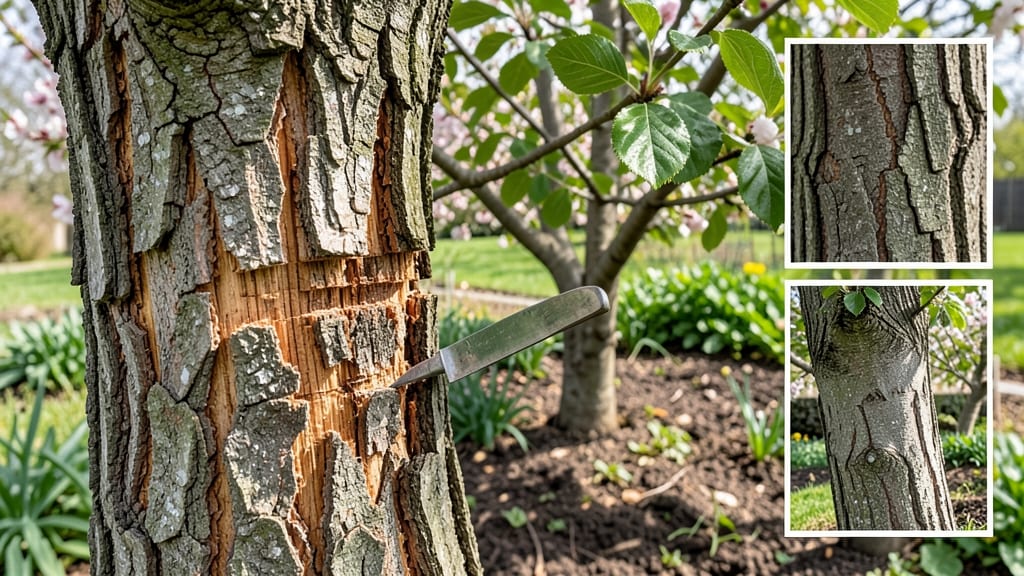
Split bark on your cherry tree isn’t just unsightly—it’s a sign your tree’s branches are fighting for stability. 🌳 I’ve seen this happen after brutal winter freezes, summer droughts, or even just the tree growing too fast for its own good.
The good news is that with three targeted steps, you can repair the damage and give those branches the support they need to last.
Most splits happen because the bark can’t keep up with the branch’s growth or because extreme weather causes it to crack like a dried-out riverbed. Fungal infections can also weaken the bark over time, making it more prone to splitting.
The key is acting fast—once water gets into those cracks, rot can set in and turn a small repair into a major problem.
We’ll cover how to clean and seal the split with a simple, tree-safe coating, when to prune out severely damaged branches (and how to do it right), and the easy care tweaks—like watering and mulching—that prevent future splits.
By the end, your tree will look stronger and healthier, with branches that can handle whatever Mother Nature throws at them.
For deep cracks or signs of fungal rot, it’s time to call in an arborist. But for most home gardeners, these three steps will keep your cherry tree thriving for years. Let’s get those branches back in fighting shape.
Root Causes Behind Bark Splitting
Understanding why your cherry tree’s bark splits is the first step to preventing future damage and ensuring your tree stays healthy. These issues often stem from a mix of environmental stress, structural weaknesses, and even improper care. Let’s break down the key culprits—so you can address them head-on.
Cherry trees, especially young or newly planted ones, are highly sensitive to rapid temperature swings. When winter’s freeze-thaw cycles hit hard, the bark can expand and contract unevenly. Here’s why it happens:
- Cold Stress: Water inside the bark freezes and expands, creating internal pressure that weakens the bark’s integrity.
When temperatures rise, the ice melts, but the bark may not return to its original shape—leading to cracks. - Sun Scald: In winter, bright sunlight can warm the bark while the roots remain frozen.
This imbalance causes the outer layer to dry out and split, especially on south- or west-facing sides of the tree. - Dormant Season Vulnerability: Trees in dormancy have slower metabolic activity, making their bark less flexible and more prone to splitting when exposed to stress.
Actionable Tip: 🌡️ Wrap the trunk with tree guard wrap (burlap or specialized bark protection) before winter to insulate against temperature swings. Avoid pruning in late summer or early fall, as new growth is more susceptible to cold damage.
Strong winds or heavy branches can exert immense pressure on a cherry tree’s bark, causing it to split—especially if the tree is already weakened. Key factors include:
- Branch Weight: Cherry trees produce heavy fruit and dense foliage.
If branches aren’t properly supported, their weight can cause the bark to stretch and tear at the attachment points. - Wind Whipping: Chronic exposure to high winds can rub branches against each other or the trunk, creating friction that weakens the bark over time.
This is common in exposed or urban planting locations. - Structural Weaknesses: Trees with co-dominant stems (two main trunks growing upward) or narrow crotches are more prone to bark splitting because the bark struggles to handle the stress of competing growth.
Actionable Tip: 🌳 Prune branches strategically to reduce weight and improve airflow. Use tree ties or cable supports for heavy branches, and avoid planting cherry trees in windy areas unless you provide windbreaks.
Both overwatering and drought stress can contribute to bark splitting by disrupting the tree’s natural moisture balance. Here’s how:
- Overwatering: Excess moisture can cause the bark to soften and swell, making it more susceptible to cracking as it dries.
Poor drainage or compacted soil worsens this issue. - Drought Stress: Prolonged dry spells force the tree to pull moisture from its bark, causing it to shrink and develop deep fissures.
This is especially risky in sandy or rocky soils where water retention is low. - Fungal Infections: Wet bark creates an ideal environment for pathogens like silver leaf fungus or cytospora canker, which weaken the bark’s structure and increase the risk of splitting.
Actionable Tip: 💧 Water deeply but infrequently to encourage deep root growth. Mulch around the base (but avoid piling it against the trunk) to retain moisture and regulate soil temperature. If your tree is already splitting, reduce watering slightly to let the bark harden.
Improper pruning or accidental injuries can directly cause bark to split. Common mistakes include:
- Over-Pruning: Removing too much foliage at once stresses the tree, leading to weak bark that’s more prone to splitting.
This is especially true for late-summer pruning, which encourages new growth that’s vulnerable to winter damage. - Improper Cuts: Jagged or overly deep cuts can damage the cambium layer (the tree’s growth layer), leaving it exposed to disease and physical stress.
Always make clean, angled cuts just outside the branch collar. - Mechanical Injury: Lawnmowers, string trimmers, or even animal activity (like rabbits gnawing) can create wounds that weaken the bark over time.
Actionable Tip: ✂️ Prune during late winter or early spring (before bud break) and use sharp, sterilized tools to make precise cuts. Avoid topping the tree or removing more than 25% of the canopy in one season.
Some cherry trees are simply more prone to bark splitting due to their genetics or maturity level:
- Young Trees: Newly planted cherry trees have thinner, less flexible bark that’s more susceptible to environmental stress. - Mature Trees: Older trees with thick bark may develop vertical splits (called sunscald cracks) as the outer layer becomes brittle and can’t stretch to accommodate growth. - Species Traits: Certain varieties, like ‘Stella Pink’ or ‘Black Tartarian’, are known for their tendency to split in harsh climates.
If you live in a region with extreme winters, choose a cold-hardy cultivar like ‘Montmorency’.
Actionable Tip: 🌱 If your tree is genetically predisposed to splitting, consider grafting onto a more resilient rootstock or consult an arborist about structural support systems (like cabling) for mature trees.
Fixing Split Cherry Tree Bark
A split in your cherry tree’s bark isn’t just an eyesore—it can weaken the tree and invite pests or disease. But don’t worry, you can repair it with the right steps!
Below, we’ll break down the most common causes of split bark and provide practical, step-by-step fixes to restore your tree’s health. Plus, we’ll share prevention tips to keep future splits at bay.
Fix: Prune and Protect the Damage
If the split is shallow and caused by harsh winters, storms, or natural aging, the tree can often heal on its own—but you can help it along.
- 🌳 Step 1: Assess the Damage
- If the split is less than 1 inch wide and doesn’t expose large amounts of inner bark, minimal intervention is needed.
- If it’s deep or jagged, proceed with caution to avoid further harm.
- 🍃 Step 2: Lightly Prune Damaged Areas
- Use sterilized pruning shears to trim any loose, hanging bark fragments.
- Avoid cutting into healthy tissue—only remove what’s already detached.
- 🛡️ Step 3: Apply a Protective Seal
- Coat the split with tree wound sealant (like Tanglefoot Tree Wound Pruning Sealer) to prevent moisture loss and pest entry.
- For small splits, a thin layer of beeswax or petroleum jelly can work in a pinch.
- 🌱 Step 4: Monitor for Healing
- Healthy trees will callus over the wound within 1-2 years. Avoid disturbing it during this time.
💡 Prevention Tip:
- Mulch properly (2-4 inches deep) to protect roots from temperature swings.
- Water deeply but infrequently to encourage strong bark development.
Fix: Clean, Treat, and Strengthen the Tree
If borers, fungal infections, or bark-eating insects caused the split, you’ll need a two-pronged approach: remove the threat and support recovery.
- 🦟 Step 1: Identify the Culprit
- Borers? Look for sawdust-like frass near the split.
- Fungal rot? Check for mushrooms at the base or soft, discolored wood.
- Scale/insects? Inspect for sticky sap (honeydew) or tiny crawling bugs.
- 🧼 Step 2: Clean the Affected Area
- Scrape away dead or infected bark with a sterilized knife or brush.
- Dispose of debris far from the tree to prevent reinfestation.
- 💊 Step 3: Apply the Right Treatment
- For borers: Use a systemic insecticide (like imidacloprid) or borer-specific spray (e.g., bifenthrin).
- For fungal rot: Treat with copper fungicide or borax solution (1 tbsp borax per gallon of water).
- For scale/insects: Spray with neem oil or horticultural oil (follow label rates).
- 🌿 Step 4: Boost Tree Health
- Fertilize with a balanced, slow-release fertilizer (10-10-10) in early spring.
- Water deeply once a week during dry spells to encourage new growth.
💡 Prevention Tip:
- Inspect your tree twice a year (spring and fall) for early signs of pests.
- Encourage beneficial insects (like ladybugs) by planting native flowers nearby.
Fix: *Support the Tree and Reduce Stress
If the split happened due to heavy fruit load, poor pruning, or wind damage, the tree may need physical support to prevent further damage.
- 🪵 Step 1: Check Branch Weight
- If the tree is
- Use pruning cuts to remove weak, crossing, or dead branches that could cause future splits.
- For
💡 Prevention Tip:
- Prune in late winter/early spring (before new growth) to avoid stressing the tree.
- Plant support trees nearby to break wind and reduce physical stress.
If the split is large (over 2 inches), oozing sap, or accompanied by wilting leaves, your cherry tree may need expert care.
A certified arborist can: - Assess internal rot or disease with tools like a resistograph. - Perform safe cabling or bracing for unstable branches. - Recommend emergency treatments if pests or disease are severe.
Final Thought: With the right care, your cherry tree can recover and thrive—even after a split! The key is acting quickly, protecting the wound, and giving the tree the support it needs** to heal. 🌳✨
Frequently asked questions
Can I use duct tape or regular tape to fix a split in my cherry tree bark?
No, avoid using duct tape or regular tape on tree bark splits. These materials don’t allow the tree to breathe and can trap moisture, leading to rot or fungal growth. Instead, use a tree-specific wound sealant like Tanglefoot Tree Wound Pruning Sealer, which is breathable and safe for healing. For small splits, beeswax or petroleum jelly can work as a temporary solution.
How do I know if my cherry tree’s split bark is healing properly?
Healthy healing shows as a smooth, callused layer forming over the split within 1-2 years. The edges should appear darker and slightly raised as new bark grows. If you see oozing sap, mold, or further splitting, the tree may need additional care like pruning or fungicide treatment. Regularly inspect the area for signs of pests or disease.
Will pruning near a split bark area make it worse?
Pruning too close to a split can stress the tree further, but proper pruning (using sterilized tools and making clean cuts outside the branch collar) won’t harm it. Focus on removing only dead or loose bark fragments—never cut into healthy tissue. If the split is severe, consult an arborist to avoid accidentally damaging the tree’s structure.
Can I still harvest fruit from a cherry tree with split bark?
Yes, you can harvest fruit from a cherry tree with split bark, but monitor the tree closely. If the splits are due to pest infestations or disease, the fruit may be contaminated. Thin out heavy branches to reduce stress, and avoid harvesting near visibly infected areas. Always wash cherries thoroughly before eating.
How often should I check my cherry tree for new splits?
Inspect your cherry tree twice a year: once in early spring (before bud break) and again in late fall (after leaf drop). This helps catch new splits early, especially after storms or extreme weather. Keep a record of any damage to track healing progress over time.