
Plants
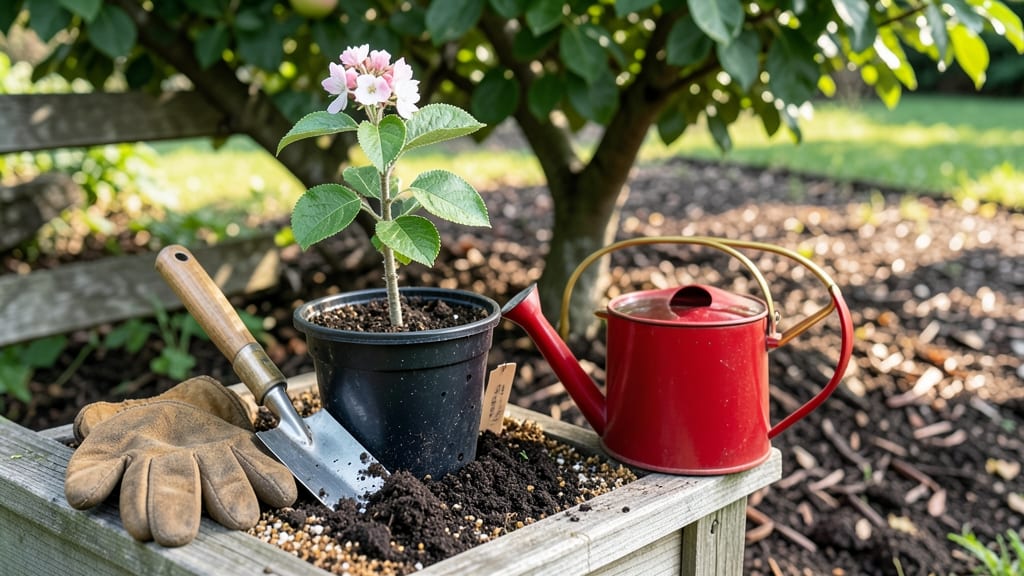
You can plant an apple tree from an apple, but the resulting tree will likely produce different fruit than the parent due to genetic variation. Seeds require patience (3-7 years for fruit) and may not yield true-to-type apples. Grafting ensures consistent varieties faster and with better quality fruit.
Growing an apple tree from seed is like rolling the genetic dice—each seed carries a mix of traits from both parent trees, meaning your new tree could produce apples with completely different flavors, sizes, or even colors. 🌱 While this method is rewarding for gardeners who enjoy experimentation, it demands years of waiting before you see any fruit, and there's no guarantee it will match the apple you started with.
For those wanting reliable, high-quality fruit quickly, grafting a known variety onto a compatible rootstock is the gold standard, offering both speed and predictability in just 2-4 years.
What's fascinating is how environmental factors play into this too. Seed-grown trees often develop stronger root systems because they're adapted to their specific soil conditions, but they may struggle in different climates.
Meanwhile, grafted trees inherit the hardiness of their rootstock while producing the exact fruit variety you want—like getting the best of both worlds.
💡 In This Article
- Apple Tree Growth from Seeds: Genetic Variability and Timeline
- Grafting vs Seed Planting: Best Methods for Reliable Apple Trees
Apple tree growth from seeds: genetic variability and timeline
The magic—or frustration—of growing an apple tree from seed lies in its genetic lottery. When an apple seed germinates, it combines traits from both parent trees (the one that grew the apple you planted and its pollinator).
This process, called sexual reproduction, creates unpredictable variations in fruit characteristics like size, color, sweetness, and even texture. For example, a seed from a crisp, tart Granny Smith might grow into a tree bearing soft, sweet red apples instead. 🌱
This genetic unpredictability is why seed-grown trees often take 3-7 years to produce fruit, compared to 2-4 years for grafted trees. The timeline depends on the apple variety and growing conditions, but the first apples are usually small and may lack the quality of their parent.
Seedlings also require careful nurturing—young trees need 6-8 hours of sunlight daily and well-draining soil with a pH of 6.0-7.0 for optimal growth.
Climate plays a critical role in seedling success. Apple trees are sensitive to winter chill hours (500-1,000 hours below 45°F), which trigger flowering. Seedlings grown in warmer climates may fail to bloom properly, while those in colder regions develop stronger hardiness.
For instance, a seed from a Florida-grown apple might struggle to survive a New England winter, even if it thrives in its native soil. 🍎
Despite the uncertainties, seed-grown trees offer unique rewards. They often develop vigorous root systems adapted to local conditions, and their fruit can surprise you with unexpected flavors. However, if you're dreaming of a specific apple variety—like Honeycrisp or Fuji—grafting is the only way to guarantee consistent results.
The trade-off? Grafted trees skip the genetic roulette and deliver predictable fruit in half the time.
For the curious gardener, seed-growing is an experiment in patience and discovery. Start by planting seeds in a controlled environment (like a seed tray with moist potting mix) and keep them in 60-70°F conditions until sprouts appear in 2-4 weeks.
Transplant seedlings outdoors only after they've developed 3-4 true leaves and the soil temperature stays above 50°F at night.
Remember: Every seed-grown apple tree is a potential treasure—or a lesson in horticultural humility. The real magic happens when you embrace the unknown and let nature take its course. 🌿