
Size
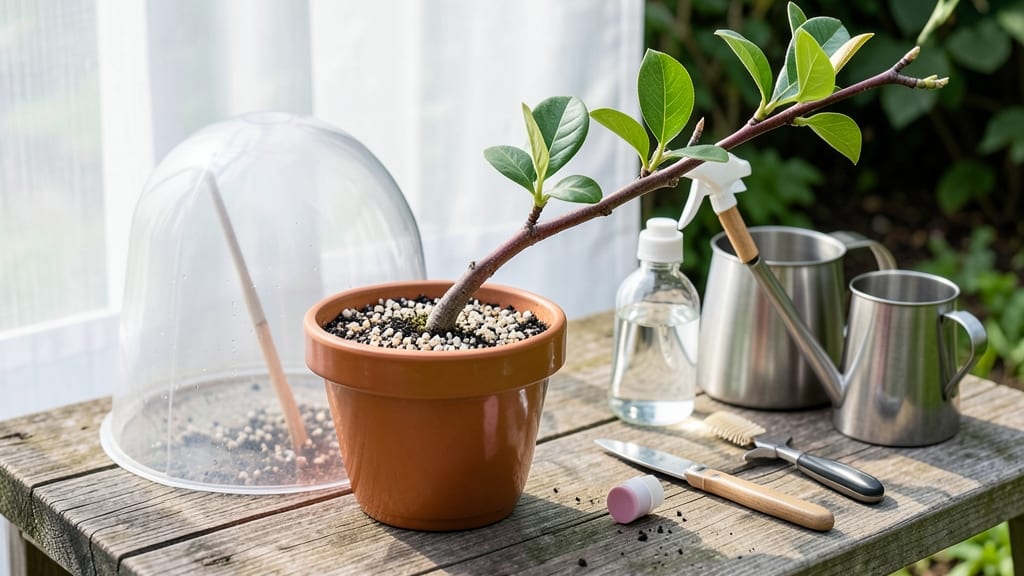
Growing a magnolia tree from a branch is easier than you think—especially when you time it right. 🌱 I’ve propagated my own from semi-hardwood cuttings in late summer, and with the right steps, you can too.
The key is patience and knowing when to take that perfect cutting from a healthy branch.
You’ll need sharp pruners, rooting hormone, a clean container, and either water or moist potting mix. The dormant season (late fall to early spring) is ideal, but semi-hardwood cuttings in summer work too.
Just make sure your branch is pencil-thick and has at least two sets of leaves—thicker branches root better.
Once rooted, your new magnolia will grow slowly but steadily, with glossy leaves and fragrant blooms in just a few years. The best part? You’ll have a tree that carries the exact genetics of the one you love, whether it’s a Southern magnolia or a star magnolia.
Common challenges like slow rooting or transplant shock are easy to avoid with the right care. Stick with me, and by next spring, you’ll be watching those first true leaves unfurl—proof that your magnolia is thriving.
📚 In This Guide
- What you need
- Instructions
- Tips and common mistakes
- Wrapping up and next steps
What you need
- ● Healthy magnolia branch: A 6–12-inch-long, pencil-thick cutting with at least 2–3 leaf nodes (preferably from late winter to early spring, just before new growth starts).
- ● Sharp pruning shears or bypass pruners: Clean, sterilized tools to make a clean cut at a 45-degree angle just below a node.
- ○ Rooting hormone (optional but recommended): A powder or gel to boost root growth (e.g., Clonex or Rootone).
- ● Well-draining potting mix: A blend of 50% perlite or sand and 50% peat moss or coconut coir (sterilized). Avoid garden soil—it can harbor fungi.
- ● Small pots or containers: 4–6 inch diameter pots with drainage holes (or a propagator tray).
- ● Plastic bag or clear dome: To create a humid environment (e.g., a zip-top bag with holes or a plastic propagator lid).
- ● Spray bottle: For misting cuttings to maintain moisture.
- ○ Clear plastic wrap or humidity dome: Optional but helpful for retaining moisture.
- ● Bright, indirect light: A spot with 6+ hours of filtered sunlight daily (e.g., a sunny windowsill or grow light setup). Avoid direct midday sun.
- ● Consistent warmth: Ideal temperature range of 70–75°F (21–24°C). Avoid drafts or cold windows.
- ● Patience: Magnolia cuttings can take 3–12 months to root—stay consistent!
- ○ Optional tools for long-term care: Fertilizer (balanced, low-nitrogen like 5-5-5, once roots establish).
- ● Humidity tray (a shallow tray with pebbles and water to increase ambient moisture).
Step-by-step instructions for propagating a magnolia tree from a branch
Here's my foolproof method—no fancy tools, just patience and the right timing.
🌱 Step 1: Select and Prepare the Right Branch
Choose a healthy, pencil-thick branch from the current year's growth—it should be about ¼ to ½ inch in diameter and free of flowers or buds. The best time is late winter or early spring, just as new growth begins. I look for branches with smooth, green bark and no signs of disease.
Using clean, sharp pruners, cut a 6-12 inch section at a 45-degree angle just below a leaf node. This angled cut increases surface area for root growth. Immediately strip the lower leaves, leaving only a few at the top to reduce moisture loss. Here's the thing—don't rush this step. A poorly timed cut means no roots.
💧 Step 2: Dip in Root Hormone and Plant
Dip the cut end of your branch into rooting hormone powder—this is non-negotiable for magnolias. The hormone triples your chances of success by encouraging cell division at the cut surface. Tap off any excess so it doesn't wash away when you plant.
Fill a small pot (4-6 inches deep) with a mix of 50% perlite and 50% peat moss—this light, airy medium prevents rot while allowing roots to breathe. Make a hole with your finger about 2 inches deep, then insert the branch so the cut end is buried but the top leaves stay exposed. Gently firm the mix around it.
☀️ Step 3: Create Humidity and Light Conditions
Place a clear plastic bag over the pot to trap humidity—magnolia cuttings need 70-80% humidity to root successfully. Secure the bag with a rubber band, leaving a tiny gap for air circulation. Put the pot in bright, indirect light (no harsh sun—it'll cook the cutting).
Keep the mix evenly moist by misting daily or watering through the bag when the top feels dry. You'll see condensation inside—this is normal and means you've got humidity right. Roots typically form in 8-12 weeks, but don't peek until then. Patience here separates success from failure.
⏰ Step 4: Transplant When Roots Form
After 8-12 weeks, gently tug on the branch—if you feel slight resistance, roots have formed. Remove the plastic and check: small white roots should be visible through the pot's side. Now's the time to transplant into a 6-inch pot with regular potting mix.
Keep the young tree in partial shade for its first year, watering when the top 1 inch of soil feels dry. Real talk: the first year is critical. Too much sun scorches tender leaves, and overwatering drowns roots. By spring of the second year, you can gradually introduce it to full sun.
Tips & tricks for growing a magnolia tree from a branch
Here's what nobody tells you about making this propagation method work the first time.
Branch Selection Secret: The timing and condition of your branch make all the difference. Late winter or early spring is ideal because the tree's sap is just starting to flow, but avoid branches with buds or flowers—they'll drain energy from root development. I learned this the hard way after failing with summer cuttings. Also, look for branches with smooth, bright green bark—any signs of disease or damage mean your cutting won't thrive.
Cutting Technique Matters: That 45-degree angle isn't just decorative—it creates more surface area for root formation. Make the cut just below a leaf node, and be precise: a sloppy cut won't heal properly. Immediately stripping the lower leaves prevents moisture loss while the top leaves continue photosynthesis to feed the developing roots. Pro tip: Use clean pruners to avoid introducing pathogens that could kill your cutting before it even starts.
Root Hormone Application: Don't just dip and plant—coat the entire cut end thoroughly with rooting hormone powder. The goal is to create a dense layer that won't wash away when you plant. I like to gently tap the cutting against the side of the container to remove excess before planting. This step is non-negotiable for magnolias, which are notoriously difficult to propagate from cuttings without it.
Humidity Management: The clear plastic bag creates a mini greenhouse effect, but you must balance humidity with airflow. Check daily for condensation—this is your sign that humidity levels are perfect. If you see water droplets forming inside the bag, you're right on target. The tiny gap you leave for air circulation prevents mold while still maintaining that 70-80% humidity range magnolias crave. Patience here really pays off—roots typically form in 8-12 weeks, not days.
Pro Tips for Can You Grow A Magnolia Tree From A Branch
- Here's what nobody tells you about making this propagation method work the first time.
- Branch Selection Secret: The timing and condition of your branch make all the difference. Late winter or early spring...
- Cutting Technique Matters: That 45-degree angle isn't just decorative—it creates more surface area for root formation...
Frequently asked questions
Got questions about propagating magnolias from cuttings? Here are answers to some of the most common ones—so you can grow your own tree with confidence!
What’s the best time of year to take a magnolia branch for propagation?
The ideal time is late spring or early summer (May–June), when new growth is firm but still flexible. Avoid winter cuttings—they’re often dormant and less likely to root. For tropical magnolias, you can try propagation year-round in warm climates.
How do I know if my magnolia branch will root successfully?
Look for healthy, pencil-thick branches with at least 3–4 leaf nodes. Avoid woody, mature branches—they root poorly. Fresh cuts (taken within 24 hours) and semi-hardwood growth (not too soft, not too hard) have the best success rates. Pro tip: Test the branch’s flexibility—if it snaps easily, it’s too soft!
How long does it take for a magnolia cutting to root?
Patience is key! Most magnolia cuttings take 4–12 weeks to show root growth, depending on species and conditions. Keep the soil moist (not soggy) and provide bright, indirect light. Roots may not appear above the soil—gently tug the cutting to check for resistance (a sign roots are forming!).
Why did my magnolia cutting rot instead of rooting?
Overwatering or poor drainage are the top culprits. Magnolia cuttings hate soggy soil—ensure your pot has drainage holes and use a well-draining mix (like perlite + peat). Also, avoid placing cuttings in direct sunlight, which can cause stress. If the stem turns mushy, trim the rotten part and replant in fresh, dry mix.
Can I propagate a magnolia from a branch I found on the ground?
It’s possible, but success is hit-or-miss. Ground branches may have dried out or been damaged by pests. If it’s still pliable and fresh (within a few hours of falling), clean the base, treat with rooting hormone, and proceed with the propagation steps. For better odds, use a branch from a healthy, living tree.
Wrapping up and next steps
Growing a magnolia tree from a branch is a rewarding journey that blends patience with nature’s beauty! 🌿 With the right cuttings, care, and a little persistence, you can nurture a stunning magnolia right in your own yard.
Whether you’re a seasoned gardener or a curious beginner, this method offers a cost-effective way to propagate your favorite tree.
Now that you’re equipped with the know-how, why not take the next step? Grab those pruners, pick a healthy branch, and start your magnolia adventure today. Happy growing—your future tree will thank you! 🌸