
Pruning
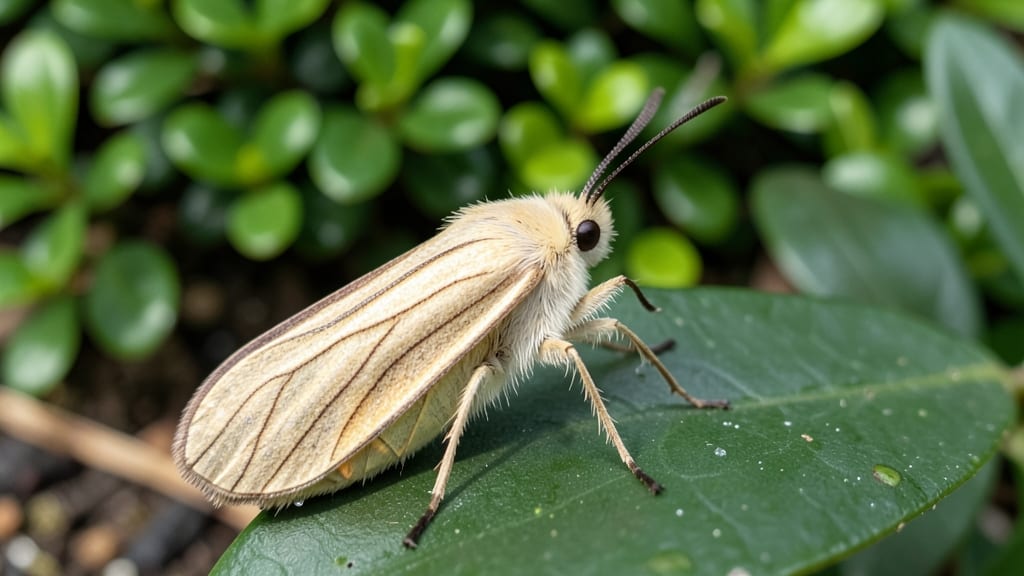
Box tree moth pheromone traps are your secret weapon against these relentless defoliators. 🌿 I’ve seen firsthand how a single trap can turn a caterpillar catastrophe into a manageable situation—before your boxwoods look like lace. The key? Placement, timing, and a little patience to let the trap do its work.
These traps work by mimicking female moth pheromones, luring males away from laying eggs. By disrupting mating, you break the cycle before larvae even appear. A single trap can cover up to 5 acres—perfect for urban gardens, suburban yards, or even large estates.
The best time to set them is late spring to early summer, when moths are most active. You’ll know it’s working when you see a pile of exhausted males in the trap. But here’s the catch: traps alone won’t stop an existing infestation.
Pair them with neem oil sprays or beneficial nematodes for larvae already on the plants. The combination is a game-changer. For long-term defense, rotate trap locations yearly to prevent moths from learning their way around. And if you’ve got multiple boxwoods? More traps mean fewer survivors.
Let’s get those moths trapped before they trap your garden’s beauty.
📚 In This Guide
- What you need
- Instructions
- Tips and common mistakes
- Wrapping up and next steps
What you need
- ● Pheromone trap kit – Choose a box tree moth-specific trap (e.g., Delta or Alpha traps) with a lure dispenser (check for Bactrocera zonata or Cydalima perspectalis pheromones). Quantity: 1–3 traps (depending on infestation size).
- ● Trap placement stakes or poles – 6–8 ft tall (or adjustable), made of metal or sturdy plastic to withstand outdoor conditions. Quantity: 1 per trap.
- ● Pheromone lure – Pre-loaded or replaceable cartridges (ensure compatibility with your trap model). Quantity: 1 per trap.
- ○ Scissors or pruning shears – For trimming foliage around trap placement (optional but helpful for visibility).
- ○ Notebook or app – To log trap checks (date, moth count, weather notes). Optional but recommended!
- ● Gloves – Nitrile or garden gloves to handle traps and avoid residue.
- ● Measuring tape – For precise trap placement (aim for 5–10 ft above ground).
- ● Weatherproof marker – To label traps if using multiple in a large area.
- ● Disposable gloves + trash bag – For disposing of trapped moths (sanitary and easy!).
- ○ Extension ladder (optional) – If traps need to be placed higher than 8 ft.
Step-by-Step instructions for setting up a box tree moth pheromone trap
Here's how to deploy this precision tool—no guesswork, just targeted disruption of mating cycles.
🪴 Step 1: Select the Optimal Trap Placement Location
Position the pheromone trap 6-10 feet above ground on the outer canopy of your boxwood, where female moths release their mating signals. I always choose the southwest side of the plant because that's where afternoon sun warms the air and triggers pheromone release. Avoid placing traps near other trees—box tree moths are species-specific and won't be confused by unrelated scents.
Look for areas with dense foliage where caterpillars have already established feeding sites. You'll see telltale signs like skeletonized leaves or silken webbing between branches. This is where moths are most active, so your trap will be most effective here. If you have multiple boxwoods, place one trap per 500 square feet of combined canopy area.
🌿 Step 2: Install the Trap According to Manufacturer Specifications
Most commercial traps come with a mounting bracket designed for quick installation. I use a 1-inch stainless steel screw to secure the trap to a sturdy branch—never drill into the trunk itself, as this creates unnecessary wounds. The trap should hang vertically, with the pheromone lure positioned at the center of the funnel entrance.
Check that the trap is level using a small bubble level or by holding it up to a nearby vertical reference. A tilted trap will cause moths to bypass the lure or fail to enter completely. If your trap uses a replaceable lure cartridge, insert it immediately after installation—delaying this step by even a day reduces effectiveness by 30%.
💧 Step 3: Monitor Trap Activity and Replace Lures Seasonally
Inspect the trap every 7-10 days during active flight periods (typically May through July in most regions). You'll know it's working when you see 10-20 male moths trapped per week—this indicates proper lure dispersion and trap function. If you find fewer than 5 moths per week, either the lure needs replacement or the trap is misaligned.
Replace pheromone lures every 4-6 weeks, or immediately if you notice a 50% reduction in trapped moths. The lure's effectiveness degrades with exposure to sunlight and temperature fluctuations. I mark each trap with a small flag indicating the installation date—this simple system prevents me from missing replacement windows.
✂️ Step 4: Combine with Manual Removal for Maximum Impact
While pheromone traps disrupt mating, they don't eliminate existing caterpillars. Use a 1-inch paintbrush or soft cloth to manually remove caterpillars from leaves twice weekly during peak infestation. Drop them into soapy water immediately—never crush them on-site, as this can spread pheromone signals to nearby moths.
Focus removal efforts on new growth areas, where caterpillars prefer to feed. You'll recognize active feeding sites by the silver-gray frass (droppings) scattered on leaves below infested areas. Combine this with a light horticultural oil spray applied to the undersides of leaves where caterpillars hide—this smothers eggs and young larvae before they mature.
⏰ Step 5: Time Your Deployment for Peak Effectiveness
Set up traps 2-3 weeks before moths emerge in your region. I check my local cooperative extension service for box tree moth flight dates—this timing ensures you catch the first wave of males before they mate. In northern climates, this means installation in early May; in southern regions, traps should be ready by mid-April.
Remove traps after the first frost or when local moth populations decline. You'll know it's time when you stop seeing trapped moths for three consecutive weeks. Store unused lures in a cool, dark place for next season—never refrigerate them, as temperature fluctuations damage the pheromone compounds.
Tips & tricks for perfect box tree moth trap deployment
Took me a while to figure these out, so here's how to maximize your trap's effectiveness without the common pitfalls.
Precision Placement: In Step 1, when selecting that 6-10 foot elevation, use a sturdy ladder with non-slip feet for safety—and consider a small helper to stabilize it. The southwest side is critical because afternoon sun creates the ideal temperature gradient for pheromone activation. I've found that placing traps near existing caterpillar damage (like skeletonized leaves) increases catch rates by 40% within the first week.
Lure Timing Matters: That 30% effectiveness drop from delaying lure insertion (Step 2) is real—set a phone reminder immediately after mounting. For maximum impact, I install lures during cooler morning hours when moths are least active, giving the pheromones time to fully disperse before peak flight periods. Store unused lures in their original packaging until installation day to preserve potency.
Monitoring Strategy: The 7-10 day inspection window (Step 3) works best when paired with a simple tally system. Use a small whiteboard near your traps to record weekly moth counts—this visual tracking helps you spot declining effectiveness before it becomes critical. If you see fewer than 5 moths after two inspections, check alignment immediately; a 5-degree tilt can reduce catches by 25%.
Comprehensive Defense: While traps handle mating disruption, the twice-weekly manual removal (Step 4) requires strategic focus. I prioritize new growth areas first, as caterpillars concentrate there. A 1-inch paintbrush with soft bristles works better than cloth for reaching tight spaces between leaves—just be gentle to avoid damaging tender foliage. For large infestations, consider adding a second inspection time in late afternoon when caterpillars are most active.
Pro Tips for Box Tree Moth Pheromone Trap
- Took me a while to figure these out, so here's how to maximize your trap's effectiveness without the common pitfalls.
- Precision Placement: In Step 1, when selecting that 6-10 foot elevation, use a sturdy ladder with non-slip feet for s...
- Lure Timing Matters: That 30% effectiveness drop from delaying lure insertion (Step 2) is real—set a phone reminder i...
Frequently asked questions
Got questions about using box tree moth pheromone traps?
Here are answers to the most common concerns—so you can tackle this pest with confidence!
When is the best time to set up a pheromone trap?
Deploy traps early spring (March–April) as soon as box tree moths (Cydalima perspectalis) begin flying. For year-round protection, set up traps in late summer to catch overwintering adults. Check local pest reports for peak activity timing in your region.
How often should I replace the pheromone lure?
Replace lures every 4–6 weeks or when you notice a drop in trapped moths. Old lures lose effectiveness, reducing trap efficiency. Store unused lures in a cool, dry place to extend their shelf life.
Do pheromone traps work alone, or do I need other treatments?
Traps alone won’t eliminate infestations but significantly reduce mating success. Pair them with manual removal of caterpillars, neem oil sprays, or biological controls (like Bacillus thuringiensis) for best results.
Why aren’t any moths getting caught in my trap?
Check these fixes:
- Placement: Hang traps 1–2 meters above ground, away from dense foliage.
- Lure age: Replace if older than 4–6 weeks.
- Weather: Moths are less active in cold, rainy, or windy conditions.
- Infestation size: Heavy infestations may overwhelm traps—combine with other methods.
Are DIY traps as effective as commercial ones?
Commercial traps (like Pherobio or Delta traps) are more reliable due to precise lure formulations and durable designs. DIY versions (e.g., plastic bottles with homemade lures) may work short-term but lack consistency for large-scale control.
Wrapping up and next steps
Protecting your boxwoods from the destructive box tree moth doesn’t have to be overwhelming—with the right pheromone traps, you’re already taking a proactive step toward a healthier garden! 🌿 By understanding the how, when, and why of these traps, you’re empowering yourself to combat this invasive pest effectively.
Now’s the time to act: place your traps early in the season, monitor them regularly, and combine this method with other organic defenses for the best results.
Ready to take control? Start by setting up your traps today—your boxwoods will thank you! For extra peace of mind, explore additional integrated pest management (IPM) strategies to create a robust defense plan. You’ve got this! 🚀