
Planting
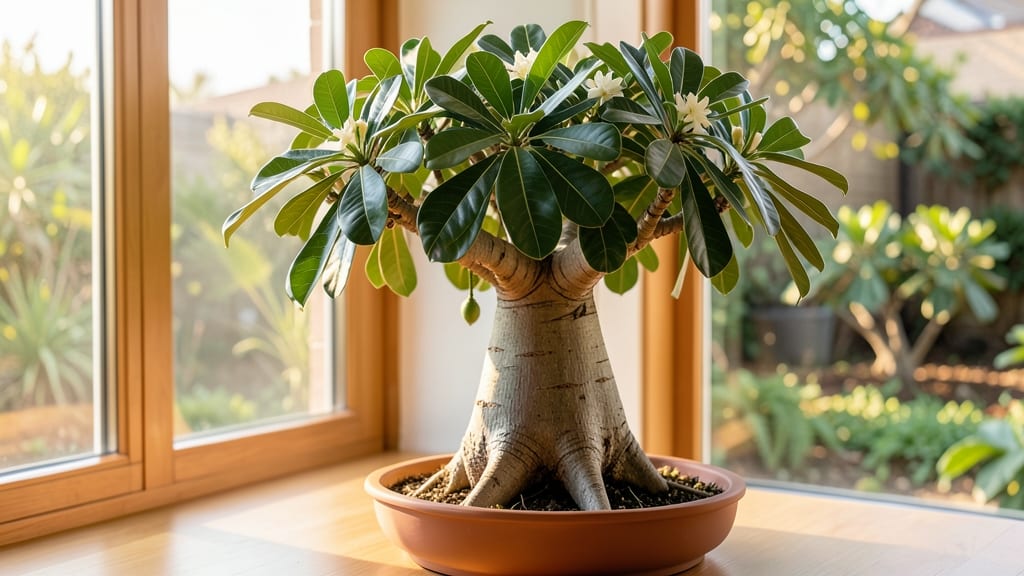
Growing a baobab tree as a houseplant turns your living room into a mini African savanna. 🌵 This slow-growing giant thrives with surprisingly little effort—just sunlight, occasional water, and a lot of patience.
My first baobab started as a tiny seedling and now stands over 6 feet tall with its thick, gnarled trunk and tiny, delicate leaves.
You’ll need a sunny window (or grow lights) since baobabs crave bright light but can’t handle direct midday sun. The soil should be fast-draining—think cactus mix with added perlite—to prevent rot.
Water only when the top inch of soil is bone dry, and never let it sit in saucers of water. Overwatering is the #1 killer of these desert survivors.
With minimal pruning (just snipping leggy stems to encourage bushiness), your baobab will grow into a striking centerpiece. The reward? A living piece of history—these trees can live for centuries. My plant even blooms tiny white flowers after years of care, though fruiting indoors is rare.
Perfect for forgetful plant parents or anyone who loves low-maintenance drama. Just be warned: it grows slowly but steadily, so choose a spot where it can stay for decades. Here’s how to keep yours thriving indoors.
📚 In This Guide
- What you need
- Instructions
- Tips and common mistakes
- Wrapping up and next steps
What you need
- ● Baobab Tree Seed or Seedling: 1 high-quality Adansonia digitata seed (if starting from scratch) or a 4"-6" potted seedling (for faster growth).
- ● Pro tip: 💡 Ensure seeds are fresh (less than 1 year old) for best germination rates!
- ● Well-Draining Potting Mix: 1 bag (5-10 gallons) of cactus/succulent mix (or DIY: 60% potting soil + 30% perlite + 10% coarse sand).
- ○ Optional: Add 1 cup of worm castings for nutrient-boosted soil.
- ● Pot with Drainage: 1 terracotta or ceramic pot (12"-18" diameter for seedlings; 20"+ for mature plants).
- ○ Optional: Decorative planter (for styling—ensure it has a cache pot for drainage!).
- ● Basic Gardening Tools: 1 pair of pruning shears (sterilized).
- ● 1 trowel (for repotting).
- ● 1 spray bottle (for misting seeds).
- ○ Growth Support (Optional): 1 bamboo stake or trellis (to guide young stems if needed).
- ● 1 LED grow light (if indoors with low light).
- ● Prerequisites: 🌡️ Warm, sunny spot (6-8 hours of light daily).
- ● 💧 Patience! Baobabs grow slowly—think years, not months.
Step-by-Step instructions for growing a baobab tree as a house plant
Here's how to nurture this striking desert giant indoors—with patience and just the right touch.
🪴 Step 1: Select the Right Container and Soil Mix
Choose a wide, shallow pot with drainage holes—baobabs hate soggy roots. I like 12-14 inches in diameter for mature plants, but start smaller if growing from seed. Fill the bottom with 2-3 inches of coarse gravel to prevent root rot and improve drainage.
Use a fast-draining cactus/succulent mix (never regular potting soil—it stays too wet). I blend mine with 20% perlite for extra aeration. The soil should feel dry to the touch between waterings, so test it by squeezing a handful—if it holds together, it's too dense.
☀️ Step 2: Position for Maximum Light Exposure
Baobabs crave bright, direct light—place yours near a south-facing window or under grow lights for 12-14 hours daily. Without enough light, the trunk stays thin and leaves grow sparse. You'll know it's happy when new growth appears bright green and plump rather than pale or stretched.
Rotate the pot quarter-turn weekly so the plant grows evenly. If leaves start leaning toward the light, it's a sign you need to move it closer. In winter, supplement with a full-spectrum LED grow light—baobabs slow down but still need light to thrive.
💧 Step 3: Water Sparingly and Only When Necessary
Water deeply but infrequently—only when the top 3-4 inches of soil feel completely dry. Stick your finger in: if it comes out clean, it's time. Overwatering is the #1 killer of baobabs, so never let water sit in the saucer—empty it after 10 minutes.
In summer, this might mean watering every 2-3 weeks; in winter, stretch it to once a month. The thick trunk stores water, so the plant can handle drought better than most. Watch for wrinkled leaves—that's your signal to water immediately.
✂️ Step 4: Prune and Encourage Trunk Growth
Baobabs grow slowly but dramatically—focus on shaping the trunk early. If the plant gets leggy, prune back overlong branches in late winter to encourage bushier growth. Use sterilized pruning shears and make cuts just above a leaf node.
Here's the trick: never remove more than 20% of the plant at once. You'll see new shoots emerge within 4-6 weeks—these are your future branches. Avoid heavy pruning in summer; the plant needs all its energy for growth, not recovery.
🌱 Step 5: Fertilize Lightly and Only in Growing Season
Feed once a month from spring to early fall with a balanced, diluted fertilizer (half-strength, 10-10-10). Baobabs don't need much—too much fertilizer causes weak growth and attracts pests. You'll know it's working when new leaves appear vibrant and slightly waxy.
Skip fertilizer in winter when the plant rests. Yellowing leaves? That's often a sign of over-fertilizing—flush the soil with water to leach out excess salts. Baobabs are forgiving, but they reward minimalist care with stunning, slow growth.
Tips & tricks for perfect indoor baobab tree growth
These simple tricks will help your baobab thrive indoors with minimal fuss—just like the desert conditions it loves.
Container and Drainage: In Step 1, when selecting your pot, prioritize both width and depth—baobabs develop strong taproots. I recommend using a container that's at least 12-14 inches wide for mature plants, but start with a smaller pot if growing from seed. The 2-3 inches of coarse gravel at the bottom isn't just for show—it creates a natural air pocket that prevents root suffocation and mimics the rocky soil of its native habitat.
Light Exposure Insight: For Step 2, the 12-14 hours of daily light is non-negotiable. If you notice leaves stretching toward the light (a condition called etiolation), it's time to move your plant closer to the window or invest in a full-spectrum LED grow light. I've found that rotating the pot quarter-turn weekly prevents lopsided growth—just set a reminder in your phone to keep track.
Watering Wisdom: The top 3-4 inches dry test in Step 3 is your best friend. I've learned this the hard way—my first baobab died from overwatering, and I realized too late that these plants store water in their thick trunks. When you water, do it thoroughly until water runs out the drainage holes, then empty the saucer after 10 minutes to prevent root rot. In winter, I reduce watering to once a month—the plant's natural dormancy period mirrors its desert origins.
Pruning Strategy: When pruning in Step 4, focus on shaping rather than size reduction. The 20% maximum removal rule prevents stress, and those new shoots that appear in 4-6 weeks are your plant's way of telling you it's happy. I always prune in late winter when the plant is just waking up from dormancy—this gives it time to recover before the growing season begins.
Pro Tips for Baobab Tree House Plant
- These simple tricks will help your baobab thrive indoors with minimal fuss—just like the desert conditions it loves.
- Container and Drainage: In Step 1, when selecting your pot, prioritize both width and depth—baobabs develop strong taproots.
- Light Exposure Insight: For Step 2, the 12-14 hours of daily light is non-negotiable.
Frequently asked questions
Got questions about keeping a baobab tree house plant thriving indoors? You’re not alone—these unique plants spark curiosity! Here are answers to the most common queries to help you care for your Adansonia with confidence.
How fast does a baobab tree house plant grow indoors?
A baobab tree grows slowly indoors—expect just 6–12 inches per year under ideal conditions. Patience is key! Growth speed depends on light, soil quality, and humidity. If you’re craving faster results, consider a dwarf variety like Adansonia digitata ‘Mini.’
Why are the leaves turning yellow or dropping?
Yellowing leaves or leaf drop usually signal overwatering or low humidity. Baobabs store water in their trunks, so they prefer dry soil between waterings. Let the top 2–3 inches dry out completely before watering again. If the air is too dry, mist occasionally or use a pebble tray.
Can I grow a baobab tree in a small apartment?
While baobabs can reach 30+ feet outdoors, indoor varieties stay compact (3–6 feet with pruning). Choose a dwarf cultivar or a bonsai-style baobab. Place it near a south-facing window for bright, indirect light—no greenhouse needed!
What’s the best temperature range for an indoor baobab?
Baobabs thrive in 65–85°F (18–29°C) during the day and 55–60°F (13–16°C) at night. Avoid drafts (like AC vents) or extreme heat, which can stress the plant. If temps drop below 50°F (10°C), move it indoors or use a space heater for warmth.
Are there low-maintenance alternatives to baobab trees?
If baobabs seem too high-maintenance, try these drought-tolerant, slow-growing indoor trees:
- Snake Plant (Sansevieria) – Nearly indestructible, thrives on neglect.
- Zamioculcas (ZZ Plant) – Glossy leaves, survives in low light.
- Ponytail Palm (Beaucarnea recurvata) – Stores water like a baobab but grows faster.
Wrapping up and next steps
Growing a baobab tree house plant is a rewarding journey—it’s not just about nurturing a striking indoor giant, but also embracing a low-maintenance companion that thrives with patience and minimal fuss. 🌱 Whether you’re drawn to its unique silhouette, drought-resistant charm, or the joy of watching it grow over time, this plant offers both beauty and resilience.
Now that you’re armed with the right materials and answers, why not take the next step?
Start small: plant your baobab today and let it become the centerpiece of your indoor oasis! 🌿 Keep an eye on its progress, adjust care as needed, and soon, you’ll have a living masterpiece to admire—and maybe even share with fellow plant lovers. Happy growing!