
Light Requirements
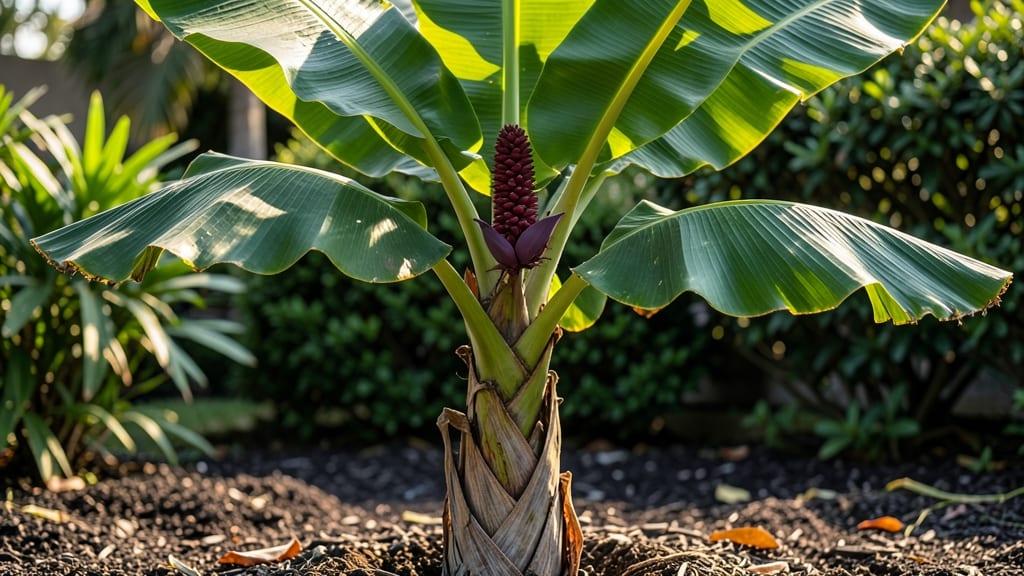
Growing a banana tree in full sun means tropical vibrancy even in your backyard. 🌿 I’ve watched my own banana plant go from a curious houseplant to a 10-foot sun-loving giant—all by giving it exactly what it craves: 8+ hours of direct sunlight daily.
The key isn’t just sunlight, though; it’s matching that bright light with the right soil, water, and a little heat tolerance know-how.
Most people assume banana trees need a greenhouse or humid climate, but with the right spot—like a warm microclimate near your home or a protected patio—you can grow them in zones 9-11.
The soil should drain well (think 50% potting mix, 50% perlite or sand), and watering shifts from deep soaks to letting the top 2 inches dry out between drinks. Overwatering is the silent killer here, so I check the soil before I water.
By summer’s end, you’ll see those iconic banana leaves unfurling, and with proper care, you might even get fruit—though fruiting takes patience (usually 2-3 years for container-grown plants).
The real magic happens when you see the plant’s growth accelerate after a few months of full sun, with thick, glossy leaves that practically glow. If you’re in cooler zones, container growing lets you bring the plant indoors for winter. And if your summers get too intense?
Dappled shade in the hottest afternoon can prevent leaf scorch without sacrificing growth. Let’s get your banana tree thriving!
📚 In This Guide
- What you need
- Instructions
- Tips and common mistakes
- Wrapping up and next steps
What you need
- ● Banana plant (Musa spp.) – Choose a hardy variety like Dwarf Cavendish (great for containers) or Red Dacca (ornamental and cold-tolerant). 1-2 plants per growing area.
- ● Well-draining potting mix – A blend of 60% peat or coconut coir, 20% perlite, and 20% compost (for containers). For in-ground planting, amend native soil with compost or aged manure to improve fertility.
- ○ Large container (optional but recommended for colder climates) – Minimum 15-20 gallons with drainage holes. Terracotta or fabric pots work best for airflow.
- ● Slow-release fertilizer (10-10-10 or organic) – 1-2 cups mixed into soil at planting. Banana trees are heavy feeders!
- ● Mulch (straw, wood chips, or pine needles) – 2-3 inches to retain moisture and regulate soil temperature.
- ● Drip irrigation or hose with spray nozzle – Banana trees love consistent moisture (1-2 inches per week).
- ● Pruning shears or loppers – For trimming dead fronds and shaping the plant.
- ○ Stakes or trellis (optional) – If your variety grows tall, use bamboo stakes or a lightweight trellis for support.
- ● Frost cloth or row cover – For tender varieties in cooler zones (temperatures below 30°F/-1°C).
- ● Epsom salt (magnesium sulfate) – 1 tbsp/month dissolved in water to prevent yellowing leaves.
- ● Compost tea or fish emulsion – For a nutrient boost during active growth.
- ● Sun shade cloth (30-50% coverage) – If your area gets intense afternoon sun (banana leaves can scorch!).
How to grow a banana tree in full sun
With the right care, you can grow a stunning banana tree even in full sun—here's how to make it thrive.
🌱 Step 1: Choose the Right Variety and Planting Location
Not all banana trees tolerate full sun, so pick a cold-hardy variety like the Dwarf Cavendish or Red Dwarf. These can handle 6-8 hours of direct sun without scorching. Avoid tropical varieties—they’ll crisp in intense afternoon light.
Pick a sheltered spot where the tree gets morning sun but afternoon shade from a fence or building. If you must plant in full sun all day, water deeply in the afternoon to prevent leaf burn. Amend heavy clay soil with 3 inches of compost to improve drainage—banana roots rot easily in soggy conditions.
☀️ Step 2: Plant at the Correct Depth and Spacing
Dig a hole twice as wide as the root ball but only as deep—planting too deep suffocates the stem. Set the tree so the top of the root ball sits level with the ground (never mound soil around the base). Space multiple trees 10-15 feet apart to allow airflow and prevent fungal diseases.
Water immediately after planting to settle the soil around roots. You’ll know it’s right when the soil looks evenly damp but not muddy. Mulch with 3 inches of wood chips (not fresh mulch—it draws pests) to retain moisture and protect roots from temperature swings.
💧 Step 3: Water Deeply and Consistently
Banana trees need 1-2 inches of water weekly, but deep watering (soaking the root zone) encourages strong growth. Water in the early morning to reduce evaporation. You’ll see yellowing leaf tips if underwatered—this is your signal to increase frequency.
Never let the soil dry out completely, but avoid soggy conditions. Stick your finger 2 inches into the soil—if it feels dry, water again. In full sun, you may need to water every 2-3 days during heatwaves. A drip irrigation system keeps moisture steady without wetting leaves (which causes disease).
✂️ Step 4: Fertilize and Prune for Full-Sun Success
Feed with a balanced 10-10-10 fertilizer every 6 weeks during growing season (spring through fall). Banana trees are heavy feeders, so don’t skimp—weak growth means fewer fruit. Mix fertilizer into the top 6 inches of soil and water deeply afterward to prevent root burn.
Prune only dead or yellowing leaves—never cut healthy foliage. This keeps the tree’s energy focused on fruit production. If leaves scorch in full sun, trim the outermost edges to reduce stress. Harvest only when the fruit is fully ripe (peels turn bright yellow)—green bananas won’t ripen properly off the tree.
🪴 Step 5: Protect from Heat and Wind in Full Sun
In intense full sun, shade cloth (30-50%) over new leaves prevents scorching. Remove it once leaves harden. Banana trees hate wind—plant near a fence or use bamboo stakes for support if needed. You’ll notice leaning stems or split leaves if exposed to gusts.
If temperatures exceed 90°F, mist leaves lightly in the evening to cool them down. In winter (if in a cooler climate), wrap the trunk with burlap to insulate against cold snaps. A mature banana tree in full sun can produce fruit year-round in warm zones—just keep up with care!
Tips & tricks for thriving banana trees in full sun
Growing banana trees in full sun takes a few smart tricks to keep them happy and productive.
Variety Selection: The Dwarf Cavendish and Red Dwarf varieties mentioned in Step 1 are your best bets for full sun, but if you're in a particularly hot climate, consider the Ice Cream banana variety—it handles heat exceptionally well. These cold-hardy types can tolerate 6-8 hours of direct sun without scorching, but their leaves will still appreciate some afternoon shade during peak summer months.
Soil Preparation: Don't skip the 3 inches of compost in Step 1—this isn't just about drainage. Compost improves soil structure, helping roots absorb moisture and nutrients more efficiently. For heavy clay soil, mix in sand or perlite to create better aeration. I've seen banana trees struggle in compacted soil, even with perfect watering schedules.
Watering Strategy: The 1-2 inches weekly guideline in Step 3 is perfect, but here's the real trick: water in the morning and again in the late afternoon during extreme heat. This mimics tropical rainfall patterns and prevents stress. I've noticed that banana trees watered only once daily in full sun often develop brown leaf tips—a sign of uneven moisture distribution.
Fertilizer Timing: When you feed with 10-10-10 fertilizer every 6 weeks in Step 4, split that dose into two applications—half now and half again 3 weeks later. This gradual feeding prevents fertilizer burn while keeping your tree consistently nourished. I've had trees that looked great after the first feeding but then struggled when they hit the next feeding cycle too abruptly.
Pro Tips for Banana Tree Full Sun
- Growing banana trees in full sun takes a few smart tricks to keep them happy and productive.
- These cold-hardy types can tolerate 6-8 hours of direct sun without scorching, but their leaves will still appreciate some afternoon shade during peak summer months.
- Soil Preparation: Don't skip the 3 inches of compost in Step 1—this isn't just about drainage.
Frequently asked questions
Got questions about growing banana trees in full sun? You’re not alone! Here are some of the most common concerns—and their solutions—to help your tropical beauty thrive.
How much full sun does a banana tree really need?
A banana tree thrives in 6–8 hours of direct sunlight daily. In hot climates, partial afternoon shade helps prevent leaf scorch, while cooler areas may need more sun exposure. Monitor leaves—if they yellow or wilt, adjust placement gradually to avoid shock.
Can banana trees survive winter in full sun?
Banana trees are tropical plants and won’t tolerate frost. In cold climates, grow them in containers and move them indoors or to a greenhouse during winter. If planted in the ground, mulch heavily and protect with frost cloth. Hardiness varies by variety—Musa acuminata is slightly more cold-tolerant than others.
What’s the fastest way to revive a banana tree in full sun that’s struggling?
Start with soil and water checks—banana trees hate soggy roots but need consistent moisture. Amend heavy clay soil with compost, and water deeply 2–3 times weekly (more in extreme heat). Trim yellowed leaves and fertilize with a balanced, citrus-friendly blend every 6–8 weeks. Patience is key—recovery can take 2–3 months!
Will banana trees fruit in full sun if I live in a short-summer climate?
Yes, but timing matters! Banana trees need at least 6 months of warm weather (above 60°F) to produce fruit. In short-summer zones, choose dwarf varieties like ‘Dwarf Cavendish’ or ‘Red Dwarf,’ which mature faster. Extend the growing season with row covers or a greenhouse, and harvest green fruit—it’ll ripen indoors!
Are there sun-loving alternatives to banana trees?
If banana trees seem too high-maintenance, try these full-sun tropicals:
- Papaya – Fast-growing, edible, and drought-tolerant once established.
- Pineapple – Thrives in heat and produces fruit in 1–2 years.
- Citrus (e.g., Meyer lemon) – Needs full sun but handles cooler temps better.
- Bird of Paradise – Striking foliage with minimal care.
Wrapping up and next steps
Growing a banana tree in full sun isn’t just possible—it’s rewarding! With the right location, soil, and care, you’ll enjoy lush foliage, sweet fruit, and a stunning tropical vibe year-round.
Whether you’re a beginner or a seasoned gardener, this guide gives you the confidence to cultivate your own backyard oasis.
Ready to take the next step? Start by selecting your spot—mark that sunny patch in your yard and prep the soil. Then, grab your banana tree and watch it flourish under the sun! 🌞✨