
Trees
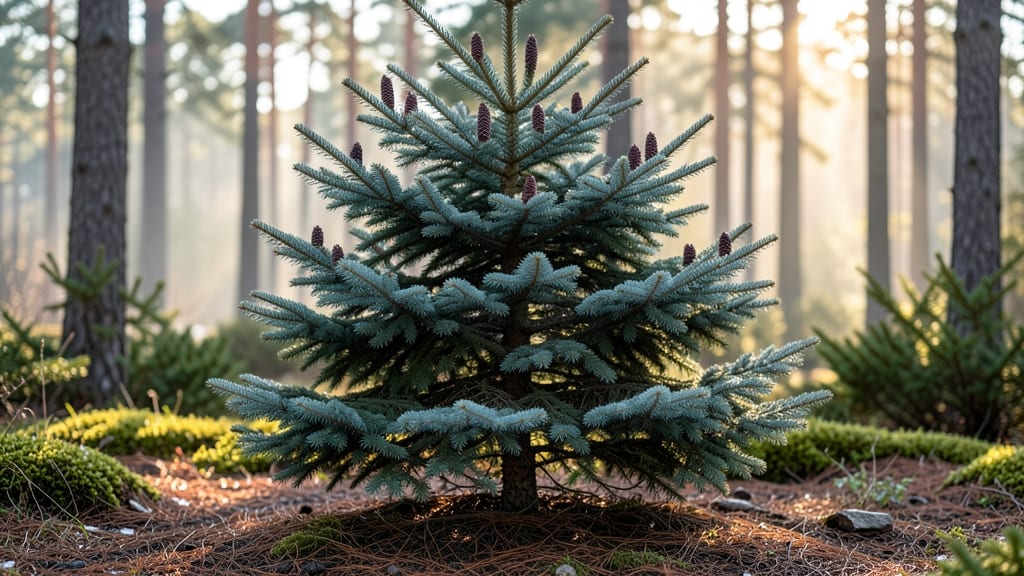
The balsam fir Christmas tree scent creates that fresh, piney holiday aroma with subtle citrus and spice notes, thanks to its rich blend of natural oils like pinene and limonene. Keeping its fragrance strong requires careful watering, strategic placement, and proper storage methods to enjoy that winter magic for weeks after cutting.
The balsam fir's legendary scent comes from its dense needle structure and high concentration of essential oils, which release more aroma than other evergreens like Douglas or Fraser fir. 🌲 Unlike artificial trees, real balsam firs emit a complex fragrance that evolves—starting fresh and bright, then deepening into warm, woody notes as the oils mature.
This is why many people prefer them over synthetic alternatives, even though they require more maintenance. The key to preserving that signature smell lies in understanding how these oils interact with temperature and humidity, which is why proper care makes all the difference during the holiday season.
What sets balsam fir apart isn't just its smell, but how it interacts with your home's environment.
The needles release more fragrance in cooler rooms, which is why placing your tree near a north-facing window or in a well-ventilated area helps maintain that fresh-cut pine scent. 💫 I've found that adding a few drops of lemon or orange essential oil to the water can enhance those citrus hints naturally, though some people swear by commercial scent boosters.
The secret to long-term preservation? Avoiding drafts and keeping the stand full of water—both prevent the needles from drying out too quickly, which is when that magical aroma starts to fade.
💡 In This Article
- What Creates the Unique Balsam Fir Scent
- How to Extend Your Balsam Fir Tree’s Holiday Scent
What creates the unique balsam fir scent
The balsam fir's signature aroma comes from a complex blend of essential oils stored in tiny resin ducts beneath its needles. The most dominant compounds are α-pinene (30-40%) and β-pinene (15-25%), which create that sharp, fresh pine scent we associate with winter.
But what makes balsam fir special is its limonene content (5-10%), giving it those subtle citrus notes that set it apart from other evergreens like Douglas fir, which lacks this bright, almost lemony undertone.
Here's where the science gets fascinating: the balsam fir's needle structure plays a crucial role. Each needle contains 10-15 oil glands per square inch, more than Douglas fir's 5-8 glands.
When you crush a balsam fir needle, you'll notice how the oils immediately vaporize at room temperature (20-25°C/68-77°F), creating that instant fresh scent.
This rapid release is why balsam fir smells so potent compared to other trees—its oils aren't just present, they're actively volatile and ready to fill your home.
The myrcene content (3-5%) adds another layer to the aroma profile, contributing to the tree's earthy, slightly spicy undertones. What most people don't realize is how these compounds interact with temperature.
In cooler rooms (65°F or below), the scent molecules move more slowly, creating a deeper, more complex aroma.
That's why your tree smells most magical in a well-ventilated but cool living area rather than near a warm fireplace—heat actually accelerates oil evaporation, making the scent dissipate faster.
Comparing balsam fir to its cousins shows why it's the holiday favorite. Douglas fir has more camphor-like notes from its higher bornyl acetate content, while Fraser fir contains less limonene (2-4%), making its scent more one-dimensional.
The balsam fir's balanced oil profile creates that perfect holiday fragrance—fresh pine with just enough citrus and spice to feel cozy without being overpowering. 🌿 This chemical harmony is what makes it the gold standard for Christmas trees.
Interestingly, the scent isn't just about the oils—it's also about the needle chemistry. Balsam fir needles contain wax coatings that help regulate oil release, creating a slow, steady fragrance diffusion over days rather than hours.
This is why a properly cared-for balsam fir can fill a 1,200 sq ft home with its signature aroma for 3-4 weeks, while other trees may only last 1-2 weeks at maximum strength.
The key to understanding this scent magic lies in the ratio of these compounds. A typical balsam fir needle contains about 0.5-0.8% essential oils by weight, with pinene dominating but limonene playing the supporting role that makes all the difference.
When you combine this with the tree's high needle density (about 200 needles per inch of branch), you get that immersive holiday fragrance that artificial trees simply can't replicate. 💫