
Trees
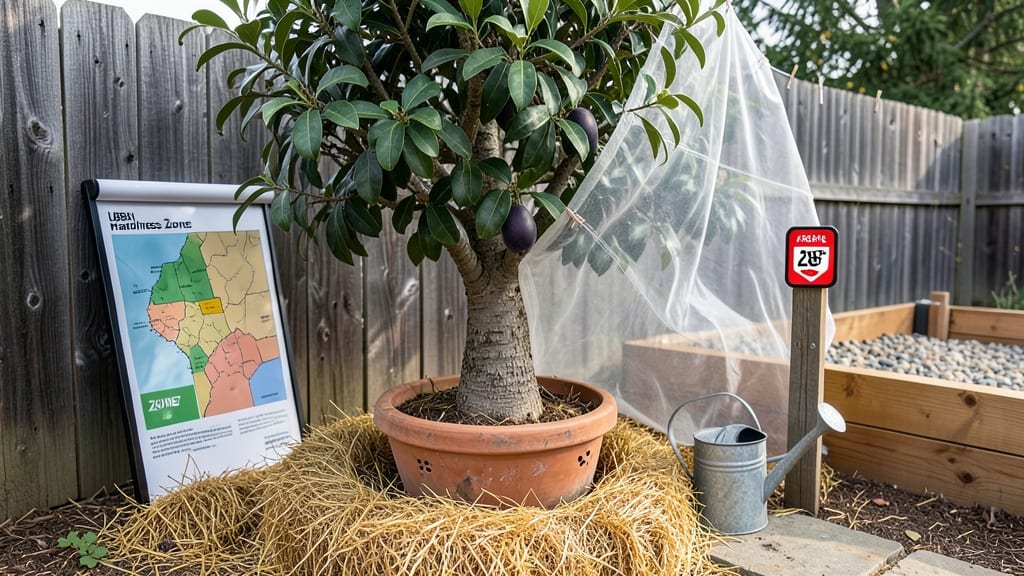
Growing avocado trees in Zone 7 is totally possible—with the right variety and a few smart tricks. 🌱 I’ve watched my Hass avocado thrive through winters that dip into the 20s, and I’ll show you exactly how to protect yours from frost while keeping it happy year-round.
The secret lies in choosing cold-hardy varieties like 'Hass' or 'Mexicola' and giving your tree a cozy spot near the house or under a blanket of frost cloth when temperatures drop.
You’ll also need well-draining soil and a container large enough to move indoors if needed—because even Zone 7 gets chilly. By late spring, you’ll see glossy new leaves unfurling, and by summer, your tree could even produce fruit if it’s mature enough.
The key is consistency: water deeply but let the soil dry slightly between waterings, and fertilize lightly in spring. This method works for both container-grown trees and those planted in protected ground beds. Here’s how to set yours up for success!
📚 In This Guide
- What you need
- Instructions
- Tips and common mistakes
- Wrapping up and next steps
What you need
- ● Cold-hardy avocado variety: Choose from Mexicola, Wurtz, or Lamb Hass—these thrive in cooler climates.
- ● Well-draining potting mix: 50% cactus/succulent mix + 50% perlite or pumice (10-15 gallons per container).
- ● Large container: Minimum 20-gallon pot (diameter ≥ 18") with drainage holes.
- ● Slow-release fertilizer: 10-10-10 or avocado-specific blend (apply at planting and mid-season).
- ● Mulch: 2-3 inches of bark or straw to insulate roots (avoid organic mulch touching the trunk).
- ● Cold protection: Frost cloth (30-40°F rating) or a small greenhouse tent for winter.
- ● Hand trowel & pruners: Sterilized for planting and trimming.
- ● pH test kit: Aim for 6.0–7.0 (adjust with lime or sulfur if needed).
- ● Drip irrigation or watering can: Avocados need 1–2 inches of water weekly (more in summer).
- ● Sunlight access: Full sun (6+ hours daily) or bright indirect light (e.g., south-facing window for indoor starts).
- ○ Optional: Grow lights (for indoor seedlings).
- ● Root stimulator (for faster establishment).
- ● Soil thermometer (to monitor root health in winter).
Step-by-step instructions for growing avocado trees in Zone 7
Here's how I've successfully grown cold-tolerant avocado varieties in Zone 7—no greenhouses required.
🌱 Step 1: Select Cold-Hardy Varieties for Zone 7
For Zone 7, choose varieties like 'Hass' or 'Mexicola' that tolerate brief dips to 20°F once established. Avoid tropical varieties like 'Fuerte'—they won't survive winter. I always buy 1-2 year-old nursery trees (4-5 feet tall) in early spring rather than starting from pit germination, since they're already hardened to some cold exposure.
Look for trees with thick, dark green leaves and sturdy trunks—these show better cold resilience. The rootstock matters too: trees grafted onto Mexican rootstock handle cooler temps better than those on West Indian stock. When you bring your tree home, soak the roots in lukewarm water for 10 minutes to reduce transplant shock.
🪴 Step 2: Plant in Well-Drained Soil and Sheltered Location
Avocados hate soggy roots, so amend your soil with 3 inches of compost and 2 inches of coarse sand mixed into the top 12 inches of soil. I test drainage by digging a 12-inch deep hole, filling it with water, and waiting to see if it drains within 1-2 hours. If not, raise the planting area by 6-12 inches with amended soil.
Plant in a south-facing location where the tree gets full sun (6+ hours daily) but has afternoon shade from a nearby wall or fence during summer's hottest months. I wrap the trunk with burlap during winter to protect it from drying winds. Water deeply right after planting—5 gallons for each tree—until the soil 6 inches down feels moist.
☀️ Step 3: Protect from Winter Freezes with Mulch and Wrapping
Once temperatures drop below 35°F, cover the base of the tree with 4-6 inches of straw mulch to insulate roots. I also wrap the trunk and canopy with frost cloth secured with stakes, leaving the top open to allow some light. For hard freezes below 25°F, add a Christmas tree frame over the entire plant and fill it with dry leaves for extra insulation.
Remove all winter protection in early spring (when daytime temps consistently stay above 50°F) to prevent rot from trapped moisture. Prune any frost-damaged branches in late winter—you'll recognize damaged wood as blackened or mushy when cut. Sterilize pruners with rubbing alcohol between cuts to prevent disease spread.
💧 Step 4: Water and Fertilize for Zone 7 Conditions
Water deeply once a week during summer, aiming for 10-15 gallons per tree, until the soil 8 inches down feels moist. In winter, reduce to every 2-3 weeks unless the ground is frozen. I check moisture by pushing a 6-inch screwdriver into the soil—if it resists, it's time to water. Overwatering in winter causes root rot, which avocados are especially prone to.
Fertilize in early spring with 10-10-10 granular fertilizer (2 tablespoons per tree), then again in early summer with 6-6-6. I avoid high-nitrogen fertilizers after summer—they promote tender new growth that won't survive Zone 7 winters. Always water fertilizer in to prevent root burn, and keep it 6 inches away from the trunk.
✂️ Step 5: Prune and Harvest for Zone 7 Productivity
Prune in late winter before new growth begins, removing dead, crossing, or inward-growing branches first. Then shape the tree by cutting back overly vigorous shoots by one-third to encourage bushier growth. Sterilize tools between cuts with bleach solution (1 part bleach to 10 parts water) to prevent bacterial canker.
Avocados in Zone 7 produce fruit 2-3 years after planting, but even then yields are modest. Harvest when the fruit detaches easily with slight twist and has a dull, dark color (Hass turns nearly black). I let fallen fruit sit on the ground for 1-2 weeks to ripen naturally—never pick green fruit expecting it to ripen indoors like store-bought avocados.
Tips & tricks for growing avocado trees in Zone 7
A few key insights that'll help your avocado thrive in cooler climates without the usual struggles.
Cold Protection Strategy: When temperatures drop below 35°F, I double down on the protection—first with the 4-6 inches of straw mulch around the base, then wrap the trunk with burlap to prevent windburn. For those rare hard freezes below 25°F, I've found that a simple Christmas tree frame filled with dry leaves creates a microclimate that can save your tree. The key is to monitor your local weather forecast and prepare these protective layers a day before the freeze is expected.
Soil Prep Secret: The 12-inch soil amendment depth is non-negotiable for Zone 7 success. I've learned the hard way that avocados won't tolerate soggy roots—even for a day. Before planting, I always dig a test hole and fill it with water to check drainage. If it doesn't drain within 1-2 hours, I'll mound the planting area by 6-12 inches using a mix of compost and coarse sand. This simple test prevents years of root rot struggles.
Winter Pruning Timing: Late winter pruning (before new growth begins) is your best defense against winter damage. I wait until we've had at least three days above 50°F consistently, then remove any blackened or mushy branches first. The sterilization step with rubbing alcohol between cuts might seem tedious, but it's worth it—bacterial canker can devastate a young tree. I also make sure to cut back overly vigorous shoots by one-third to encourage that bushier growth pattern that handles cold better.
Harvesting Cues: The 1-2 week ripening period on the ground is crucial—don't be tempted to pick green fruit expecting it to ripen indoors like store-bought avocados. I look for three key signs: the fruit should detach easily with a slight twist, have a dull dark color (especially for Hass varieties), and feel slightly soft when gently squeezed. This natural ripening process develops the rich, creamy texture we love in avocados.
Pro Tips for Avocado Tree Zone 7
- A few key insights that'll help your avocado thrive in cooler climates without the usual struggles.
- Cold Protection Strategy: When temperatures drop below 35°F, I double down on the protection—first with the 4-6 inche...
- Soil Prep Secret: The 12-inch soil amendment depth is non-negotiable for Zone 7 success. I've learned the hard way th...
Frequently asked questions
Got questions about growing avocado trees in Zone 7? You’re not alone! Here are answers to the most common concerns—from cold protection to harvest timing—so you can grow luscious avocados like a pro.
Can avocado trees survive Zone 7 winters?
Most avocado trees (Persea americana) struggle in Zone 7’s cold snaps, but cold-hardy varieties like ‘Mexicola’ or ‘Wurtz’ can survive temps down to 15–20°F with proper care. Plant in microclimates (near walls or slopes) and mulch heavily. For extra protection, wrap the trunk or use frost cloths during freezes. Pro tip: Young trees need container growing in winter and moving indoors.
How long does it take for an avocado tree to bear fruit in Zone 7?
Patience is key! In ideal conditions, avocado trees take 3–5 years to bear fruit, but Zone 7’s shorter growing season may delay this by 1–2 years. Choose dwarf or semi-dwarf varieties (like ‘Bacon’) to speed up fruiting. Ensure full sun (6+ hours/day), well-draining soil, and consistent watering to encourage early blooms. Fun fact: Some trees flower twice a year—spring and fall!
What’s the best alternative if avocados won’t grow in my Zone 7 yard?
If avocados prove too finicky, try these Zone 7-friendly fruit trees with similar tropical vibes:
- Loquat (Eriobotrya japonica) – Cold-hardy to 10°F, produces sweet fruit in winter.
- Fig (Ficus carica) – Thrives in heat and drought; varieties like ‘Brown Turkey’ handle Zone 7 well.
- Persimmon (Diospyros) – ‘Fuyu’ or ‘Hachiya’ types tolerate cold and yield rich, honey-like fruit.
- Pomegranate (Punica granatum) – Drought-resistant and cold-tolerant to 15°F.
Why are my avocado tree leaves turning yellow or dropping?
Yellowing leaves (chlorosis) or leaf drop in Zone 7 avocados usually stem from:
- Overwatering – Avocados hate soggy roots. Ensure well-draining soil and water only when the top 2–3 inches are dry.
- Nutrient deficiency – Yellow leaves may signal low nitrogen or magnesium. Test soil and amend with compost or a balanced fertilizer.
- Cold stress – Sudden temperature drops can shock the tree. Mulch with 4–6 inches of organic matter to insulate roots.
- Pests – Check for spider mites or scale insects on undersides of leaves. Treat with neem oil or insecticidal soap.
How do I know when avocados are ripe for picking in Zone 7?
Ripeness is tricky—avocados don’t ripen on the tree like peaches! Here’s how to tell:
- Gently twist the fruit. If it detaches easily, it’s ready to pick.
- Look for a dull green color (bright green = unripe; brown = overripe).
- Tap the fruit—it should feel soft but not mushy.
Wrapping up and next steps
Growing an avocado tree in Zone 7 is absolutely doable—especially with the right cold-hardy varieties and a little extra care! 🌱 Whether you’re a seasoned gardener or a curious beginner, your patience will pay off with lush foliage, creamy fruit, and even the chance to harvest your own avocados.
Start small, protect your tree in winter, and soon you’ll be enjoying the rewards of your green thumb.
Ready to take the next step? Pick your favorite variety, gather your supplies, and plant with confidence. Your future avocado tree is waiting—let’s make it grow!