
Trees
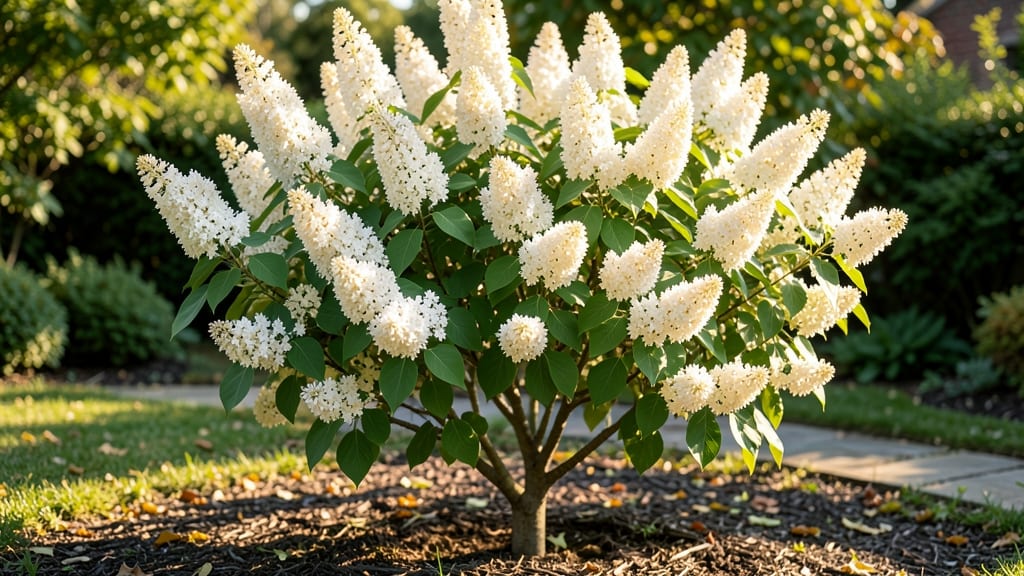
Your lilac tree’s leaves turning white isn’t just cosmetic—it’s a cry for help. 🌿 Whether it’s powdery mildew, spider mites, or nutrient starvation, the fix starts with knowing what’s wrong.
I’ve seen lilacs go from sad and patchy to lush and fragrant again in just a few weeks with the right approach. The biggest mistake? Waiting until the problem spreads. Check the undersides of leaves for webbing (mites) or white dust (mildew), and look for yellowing between veins (nutrient issues).
Lilacs are tough, but they need consistent care—especially after blooming when they’re most vulnerable. With the right treatment—neem oil for pests, sulfur for mildew, or a balanced fertilizer—you’ll see new green growth within 2-3 weeks. The key is acting fast before the tree’s energy drains completely.
Works for both old and young lilacs, and the solutions scale from small patio trees to large landscape specimens. Let’s get those leaves back to their vibrant best!
Root Causes Behind Leaf Discoloration
Understanding why your lilac tree’s leaves turn white—or more accurately, lose their green pigment—requires peeling back the layers of plant physiology and environmental stressors. Lilacs (Syringa spp.) are hardy but sensitive to specific conditions that trigger chlorophyll breakdown.
Below, we break down the most common culprits, from soil issues to pest invasions, with clear explanations and actionable insights.
Lilac trees thrive when their soil is rich in essential nutrients, particularly nitrogen, magnesium, and iron. When these are lacking, the tree struggles to produce chlorophyll, the pigment responsible for green leaves.
Instead, you may notice: - Uniform yellowing (chlorosis) between leaf veins, often starting on older foliage. - White or pale patches as chlorophyll depletes further. - Stunted growth or weak stems, signaling long-term deprivation.
Key Deficiencies & Fixes
| Nutrient | Symptoms | Solution |
|---|---|---|
| Nitrogen (N) | Pale green to yellow leaves, slow growth | Apply balanced fertilizer (10-10-10) in early spring or composted manure. |
| Magnesium (Mg) | Interveinal yellowing (edges stay green) | Sprinkle Epsom salt (1 tbsp/gal water) every 4-6 weeks or add dolomitic lime. |
| Iron (Fe) | White/yellow leaves with green veins | Use chelated iron supplement or apply iron sulfate to soil. |
💡 Pro Tip: Test your soil (via a local extension office) before amending—over-fertilizing can burn roots and worsen the problem!
Fungal pathogens like powdery mildew or anthracnose thrive in humid, shaded conditions and can cause lilac leaves to develop white, powdery coatings or irregular white patches.
Unlike nutrient issues, fungal infections often come with: - White, fuzzy growth on leaf surfaces (powdery mildew). - Dark spots with white centers (anthracnose). - Premature leaf drop as the infection spreads.
How to Confirm & Treat
- Scrape a leaf: If white powder rubs off easily, it’s likely powdery mildew.
- Check undersides: Anthracnose often starts on lower leaves.
- Treat with fungicides: Use neem oil (organic) or copper-based sprays (synthetic) every 7–10 days until symptoms disappear.
- Improve airflow: Prune dense branches and avoid overhead watering.
Pests like aphids, spider mites, or whiteflies drain sap from lilac leaves, causing:
- White, sticky residue (honeydew) on leaves and branches.
- White webbing (spider mites) or tiny white insects clustering on new growth.
- Yellowing or curling leaves as pests disrupt nutrient flow.
Identification & Control
| Pest | Signs | Action Steps |
|---|---|---|
| Aphids | White, waxy insects; curled leaves | Blast off with water or spray soapy water (1 tsp mild soap/qt water). |
| Spider Mites | Fine webbing; stippled leaves | Introduce predatory mites or apply neem oil every 5 days. |
| Whiteflies | White moth-like flies; sticky leaves | Use yellow sticky traps or insecticidal soap. |
🔥 Quick Fix: A strong spray of water can dislodge aphids—try this in the early morning for best results.
Lilacs are drought-tolerant but overwatering or poor drainage can suffocate roots, leading to:
- White or pale leaves from root rot (fungal infection in waterlogged soil).
- Leaf scorch (brown edges with white patches) due to underwatering or heat stress.
- Sunburn (white/yellow patches on leaves exposed to harsh afternoon sun).
How to Adjust Care
- Drainage check: Amend heavy clay soil with compost or perlite to improve aeration.
- Watering routine: Water deeply 1–2 times per week (adjust for clay vs. sandy soil).
- Mulch properly: Apply 2–3 inches of mulch (wood chips or bark) to retain moisture and regulate temperature.
Lilacs are sensitive to salt buildup (from deicing salts or poor-quality fertilizer) and herbicide drift (if neighboring lawns are treated). Symptoms include:
- White or bleached leaf tips.
- Stunted growth or leaf drop.
- Crusty white deposits on soil near the base.
Remediation Steps
- Flush the soil: Water heavily to dilute salts (repeat 2–3 times over a week).
- Avoid synthetic fertilizers: Switch to organic options like fish emulsion or compost tea.
- Protect from drift: If herbicides are used nearby, cover the tree with burlap during application.
Lilacs are hardy but sudden temperature swings (e.g., late frost or scorching heat) can cause:
- White or translucent patches from cold damage (common in early spring).
- Bleached or crispy edges from heat stress (especially in container-grown lilacs).
Preventative Measures
- Mulch heavily in winter to insulate roots.
- Provide afternoon shade during heatwaves (use shade cloth if needed).
- Avoid pruning late in the season—new growth is more vulnerable to frost.
Before diving into treatments, cross-check symptoms with a healthy lilac leaf:
- Healthy leaves: Deep green, firm, no spots.
- Unhealthy leaves: Soft, discolored, or dropping easily.
If you’ve ruled out nutrient issues, pests, and environmental factors, consider leaf spot diseases (like septoria) or bacterial infections, which may require professional diagnosis. 🌿
Reviving Yellow Lilac Leaves Fast
Reviving your lilac tree’s vibrant green leaves—especially when they turn white or yellow—starts with identifying the root cause and taking swift, targeted action. Below, we break down practical solutions for common issues, from nutrient deficiencies to pests, along with prevention tips to keep your tree thriving.
Let’s get your lilac back to its lush, fragrant best!
If your lilac’s leaves are pale, yellowing, or developing white patches, it’s often a sign of nutrient starvation. Lilacs are heavy feeders and need balanced care to stay healthy.
🔥 Step 1: Test Your Soil
Before adding fertilizers, check your soil’s pH and nutrient levels.
- DIY test: Use a soil test kit (available at garden centers) or send a sample to a local extension office for professional analysis.
- Ideal pH: Lilacs prefer slightly acidic to neutral soil (6.0–7.0).
If your soil is too alkaline (pH >7.0), the tree may struggle to absorb iron and magnesium, leading to yellowing.
🍳 Step 2: Amend the Soil
- For acidic soil: Mix in peat moss or compost to lower pH gradually.
- For alkaline soil: Add sulfur or composted pine needles to acidify the soil over time.
- For nutrient-poor soil: Work in 2–3 inches of organic matter (compost, well-rotted manure, or leaf mold) around the root zone.
👨🍳 Step 3: Fertilize Correctly
Lilacs benefit from a slow-release, balanced fertilizer (e.g., 10-10-10 or 5-10-5) in early spring before new growth appears.
- Avoid over-fertilizing: Too much nitrogen can cause rapid (but weak) growth and attract pests.
- Micronutrient boost: If leaves show yellowing between veins, it may indicate iron or magnesium deficiency.
Apply chelated iron or Epsom salt (magnesium sulfate) as directed. - Organic option: Use fish emulsion, bone meal, or worm castings for a gentler nutrient boost.
💡 Pro Tip:
If your lilac is newly planted, hold off on heavy fertilization for the first year—focus on establishing roots with mulch and water instead.
White or mushy leaves can signal root rot, often caused by overwatering or compacted soil.
🔥 Step 1: Check the Roots
Gently dig around the base of the tree (1–2 inches deep) to inspect the roots.
- Healthy roots: Firm, white, or light tan.
- Rotten roots: Dark, mushy, or smelly.
🍳 Step 2: Improve Drainage
- Raise the soil level: If your yard floods easily, mound soil around the base to create a slight elevation.
- Add sand or grit: Mix coarse sand or perlite into heavy clay soil to improve drainage.
- Install a French drain: For chronically soggy areas, redirect water away from the tree’s roots.
👨🍳 Step 3: Adjust Watering Habits
- Water deeply but infrequently: Lilacs prefer 1–1.5 inches of water per week (including rain).
Water at the base, not the leaves, to prevent fungal diseases. - Avoid soggy soil: Ensure the top 6 inches of soil dry out slightly between waterings. - Mulch properly: Apply 2–3 inches of mulch (wood chips, bark) 3 inches away from the trunk to retain moisture and regulate temperature.
✨ Prevention Tip:
If your lilac is in a container, ensure the pot has drainage holes and use a well-draining potting mix (like a 50/50 blend of soil and perlite).
Pests like aphids, spider mites, or borers can stress lilacs, leading to discolored leaves. Fungal issues (e.g., powdery mildew) may also cause white or yellow patches.
🔥 Step 1: Identify the Culprit
- Aphids/spider mites: Tiny insects on undersides of leaves; leaves may curl or turn yellow.
- Borers: Small holes in bark or sawdust-like frass (insect droppings).
- Powdery mildew: White, powdery fungus on leaves (common in humid conditions).
🍳 Step 2: Remove Infestations
- For soft-bodied pests (aphids, mites):
- Spray with water: Blast off pests with a strong hose stream (early morning).
- Neem oil or insecticidal soap: Apply every 5–7 days until pests are gone.
- Introduce beneficial insects: Ladybugs or lacewings eat aphids naturally.
- For borers:
- Prune and burn infested branches to stop the spread.
- Apply systemic insecticide (like imidacloprid) to the soil in early spring.
- For powdery mildew:
- Remove infected leaves and destroy them (don’t compost).
- Spray with baking soda mix: 1 tsp baking soda + 1 quart water + a drop of dish soap (reapply weekly).
- Improve airflow: Prune dense branches to increase sunlight and circulation.
👨🍳 Step 3: Strengthen the Tree’s Defense
- Prune properly: Remove dead, diseased, or crossing branches in late winter or early spring.
- Avoid overhead watering: Water at the base to keep foliage dry.
- Space plants wisely: Ensure lilacs have 6–10 feet of clearance from other plants to reduce humidity-related diseases.
💡 Pro Tip:
If your lilac is stressed from pests, follow up with a balanced fertilizer to help it recover faster.
Extreme heat, cold, or transplant shock can cause leaves to yellow or turn white.
🔥 Step 1: Shield from Harsh Conditions
- Heat stress: If leaves scorch or turn white in summer, provide afternoon shade (especially for young trees).
- Cold damage: If frost hits early, cover the tree with burlap in late fall.
- Transplant shock: If recently moved, water deeply daily for the first 2–3 weeks and avoid fertilizing until new growth appears.
🍳 Step 2: Adjust Care Seasonally
- Spring: Focus on pruning and fertilizing after the last frost.
- Summer: Mulch heavily to retain moisture and water deeply during dry spells.
- Fall: Reduce watering as temps drop but keep soil moist until the ground freezes.
- Winter: Protect from salt spray (if near roads) and avoid pruning until spring.
🎯 Long-Term Prevention
- Choose the right location: Lilacs thrive in full sun (6+ hours daily) and well-draining soil.
- Monitor regularly: Check leaves weekly for early signs of stress, pests, or disease.
Final Thought: 🌿 With the right care, your lilac can bounce back quickly! Start with soil tests and proper watering, then address pests or diseases as needed. A little attention now will reward you with vibrant blooms and lush foliage for years to come.
Frequently asked questions
Why are my lilac leaves turning white in patches?
White patches on lilac leaves usually indicate powdery mildew or nutrient deficiencies. Check for white, fuzzy coatings (mildew) or yellowing between veins (iron/magnesium deficiency). Start by improving airflow with pruning and apply neem oil for mildew or Epsom salt for nutrient issues.
Can I save my lilac tree if the leaves are completely white?
Yes, but act fast! Severe cases often require fungicide sprays (copper-based) for mildew or soil amendments for deficiencies. Prune affected branches to reduce fungal spread and water at the base (not leaves) to prevent further stress. New growth should appear in 2-3 weeks with proper care.
Is it safe to prune lilac branches with white leaves?
Pruning removes infected/diseased foliage and improves airflow. Use sterilized shears to cut back to healthy green growth. Dispose of pruned branches (don’t compost) to prevent reinfection. The best time is late winter/early spring before new growth begins.
How often should I fertilize a lilac with white leaves?
Start with a soil test first—over-fertilizing can worsen issues. For nutrient deficiencies, apply a balanced fertilizer (10-10-10) in early spring only. For organic options, use compost or fish emulsion. Avoid fertilizing if leaves show signs of root rot or pest stress.
Will white lilac leaves affect next year’s blooms?
Yes, if untreated, stressed leaves can weaken the tree and reduce flowering. Address the root cause (pests, disease, or deficiencies) immediately. Healthy foliage now ensures stronger buds for next spring’s blooms. Prune affected branches to redirect energy to new growth.