
Plants
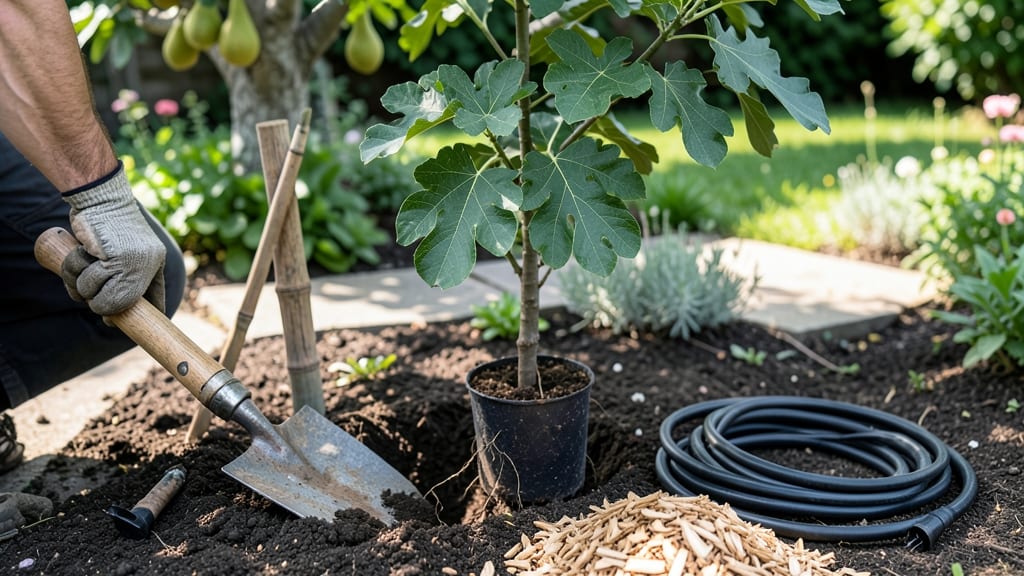
Fig trees planted in ground after the last frost—typically April to May—thrive when soil temperatures hit at least 60°F and frost risks fade.
Planting a fig tree 🌳 at the wrong time can stunt its growth—or worse, kill it before it even takes root. Timing your fig tree planting to match your climate zone is the secret to thriving fruit production and long-term success.
In cooler zones like 6a, wait until nighttime temperatures stay above 50°F consistently, while warmer climates can plant as early as March. The key is avoiding early frosts that damage tender roots.
Below, I break down the exact window for your zone, how to prep soil for strong root growth, and the 3 biggest mistakes that sabotage young fig trees—no matter where you live.
Best planting months for fig trees by USDA climate zones
Fig trees are sun-loving powerhouses that reward patience with sweet, homegrown fruit—but they demand precise timing. Planting too early in Zone 7 risks frost damage, while waiting too long in Zone 11 can stress young roots.
The key? Match your planting window to your climate's frost-free period and soil temperature thresholds.
In Mediterranean climates (like coastal California), mild winters allow year-round planting, but spring remains ideal. Meanwhile, Southern climates (Zones 9-11) can plant almost anytime, though summer heat requires extra care. Let's break down the best months for each zone to ensure your fig tree thrives from day one.
🌱 Pro Tip: Always plant after the last frost date for your area. Use a soil thermometer—fig roots need soil temps of at least 60°F (15°C) to establish properly.
In Zone 7, where frosts linger until mid-April, I always wait until late April or early May to plant. The soil must stay above 60°F (15°C) for at least a week before planting to prevent root rot.
Use a mulch blanket to protect young roots if late frosts are forecasted.
For Zones 9-11, timing is less critical, but I recommend planting in early spring (Feb-March) to align with natural rainfall patterns. In Zone 11, avoid summer planting—intense heat can shock young trees, even drought-tolerant varieties like 'Brown Turkey' or 'Celeste'.
🌡️ Soil Temperature Matters: Fig roots struggle below 55°F (13°C). Use a soil thermometer to confirm readiness. In Zone 8, I’ve seen poor root growth when planting before soil hits 65°F (18°C), despite warm air temps.
Regional variations also play a role. In Mediterranean climates (e.g., Southern California), coastal areas with mild winters can plant as early as February, while inland valleys may need to wait until March due to cooler nights.
If you're in a humid subtropical climate (e.g., Florida or Georgia), plant in dry seasons to reduce fungal diseases. I’ve had success planting Celeste figs in January in Zone 9 to avoid summer humidity spikes.
Container growing extends your planting window. In Zone 7, I’ve successfully planted fig trees in large pots (
Signs your climate is ready for fig tree planting (beyond the calendar)
Fig trees thrive when planted at the right time, but relying solely on calendar months can lead to mistakes—especially in microclimates or coastal areas.
Instead of guessing, use these real-world indicators to confirm your climate is perfect for planting. Soil warmth, frost patterns, and even humidity levels play critical roles in helping your fig tree establish strong roots and avoid stress.
For example, in Zone 7, I’ve seen fig trees planted in early April thrive while those planted in March struggle due to lingering cold snaps. The difference? Soil temperature and nighttime lows.
By tuning into these natural signals, you can plant with confidence—no matter where you live. Let’s break down the key signs your climate is ready.
🌡️ 5 Signs Your Climate Is Ready for Fig Trees
- 🌱 Soil temperature reaches 60°F+ (test with a soil thermometer 6" deep). Figs need warmth to activate root growth.
- 🌬️ Nighttime lows stay above 50°F consistently for 2+ weeks. Cold snaps after planting can shock young roots.
- ☀️ 6+ hours of direct sunlight daily (check with a sun tracker app). Figs crave heat and light.
- 🌧️ Humidity drops below 70% (ideal for figs). High humidity increases fungal risks like root rot.
- 📅 Last frost date has passed (verify with your local weather service). Figs are frost-sensitive even as mature trees.
💡 Pro Tip: Urban areas can be 5–10°F warmer than rural zones—adjust planting 2–3 weeks earlier if you’re in a heat island.
If you’re in a coastal climate, pay extra attention to wind patterns and salt spray. Coastal fig trees need protection from salty winds, which can scorch leaves. I’ve planted figs in Zone 9 near the ocean by using windbreaks and choosing salt-tolerant varieties like ‘Brown Turkey.’
Even in ideal zones, coastal soils may need extra compost to flush out salt buildup.
For urban gardeners, microclimates can be tricky. A south-facing wall or pavement can create a "heat pocket" that’s 10°F warmer than the rest of your yard. Use this to your advantage by planting figs near heat-retaining surfaces—but avoid low spots where cold air pools.
I once planted a fig tree in a Zone 8 urban garden against a brick wall and saw it fruit a full month earlier than a tree planted in the open yard.
Finally, don’t ignore local humidity trends. Figs despise soggy conditions, so if your area is entering a dry season, it’s a green light for planting. In contrast, if your climate is transitioning into a wet season, delay planting until the ground dries out.
I’ve learned this the hard way—planting figs in Zone 10 during monsoon season led to root rot before the tree could establish.
By combining these signs with your USDA zone, you’ll create the perfect conditions for your fig tree to thrive. The key is patience—wait for the right moment, and your tree will reward you with abundant fruit for decades. Happy planting! 🌳