
Plants
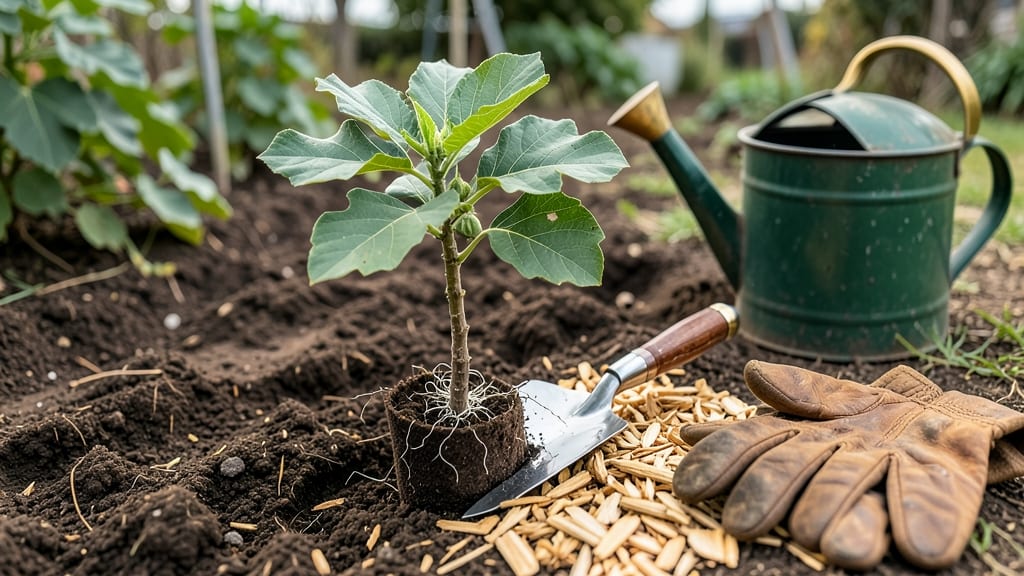
Planting a fig tree in Texas at the wrong time can mean the difference between a thriving orchard and a sad, sun-scorched sapling 🍈.
Texas gardeners know timing is everything—and getting it wrong means frost damage in the north or heat shock in the south. With 10 USDA zones and microclimates that vary from urban heat islands to rural shade, the right window depends on where you live.
In Zones 8-9, aim for early spring (after March 15) or fall (October-November) when soil temperatures are mild. South Texas (Zones 10+) can plant year-round, but summer heat stresses young trees—so early spring or fall still wins.
Below, I break down the best months by zone, container vs. in-ground tricks, and the one mistake that kills more fig trees in Texas than anything else.
Best planting months for fig trees in Texas by hardiness Zone
Texas' diverse climate zones (8a–11) create unique challenges for fig tree planting. In Zone 8a, late frosts can damage young trees, while Zone 11 gardeners must avoid summer planting due to extreme heat.
The key is planting when soil temperatures are consistently above 60°F and frost risk is minimal—typically late winter to early spring or fall. Let’s break down the best windows for each zone to maximize survival and fruit production.
For containers, timing is even more flexible since you can move pots to sheltered areas. However, in-ground plantings require precise timing to avoid heat stress or frost damage.
Always check your local last frost date (e.g., February 15 in North Texas vs. January 1 in South Texas) and adjust accordingly. Fig trees thrive in well-draining soil with full sun exposure, but Texas’ urban heat islands can push planting windows earlier in cities like Austin or Dallas.
Below is a zone-by-zone breakdown of ideal planting months, including soil temperature requirements and microclimate considerations. Use this as your guide to avoid common pitfalls like overheating roots or frost damage.
| USDA Zone | Best Planting Months | Soil Temp Requirement | Frost Risk | Microclimate Notes |
|---|---|---|---|---|
| 8a-8b | Late March–April or October | 60°F+ (consistently) | High (last frost: Feb 15) | Avoid urban heat islands; mulch heavily. |
| 9a-9b | February–March or September–October | 65°F+ (minimum) | Moderate (last frost: Jan 15) | South-facing slopes warm faster; ideal for containers. |
| 10a-10b | January–February or September | 70°F+ (optimal) | Low (rare frosts) | Avoid summer planting; heat stress is deadly. |
| 11 | Year-round (best: Sept–Nov) | 75°F+ (minimum) | None | Use shade cloth in peak summer; containers preferred. |
In Zone 8a, where frosts linger into March, plant bare-root figs in late March or October to avoid cold snaps. The soil must stay above 60°F for roots to establish—use a mulch blanket to insulate in winter.
For Zone 9a-9b, February–March is ideal, but September–October works too if you water deeply to prevent drought stress during root establishment.
Gardeners in Zone 10a-10b can plant as early as January, but avoid summer planting—the combination of 100°F+ soil and drought conditions can kill young trees. Instead, opt for September to give roots time to settle before winter.
In Zone 11, where frosts are rare, planting is flexible, but September–November is best to avoid peak summer heat.
Texas’ microclimates add another layer of complexity. Urban areas like Houston or San Antonio experience heat islands that can push planting windows earlier by 2–4 weeks. Conversely, rural areas with cooler nights may require delaying planting until soil warms further.
Always monitor local weather patterns—a sudden 20°F drop in Zone 9 can devastate unprotected figs.
For container-grown figs, timing is less critical since you can move pots indoors or to shaded areas during extreme heat. However, in-ground plantings demand precision. Amend your soil with compost to improve drainage—a critical factor in Texas’ clay-heavy soils.
After planting, water deeply to encourage root growth, and apply a 2–3 inch
Fig tree varieties that thrive in Texas heat (and when to plant them)
Texas' brutal summers and unpredictable winters demand heat-tolerant fig varieties that can handle both extremes. The right variety not only survives but thrives, producing sweet, abundant fruit year after year.
I’ve tested three top performers—Celeste, Brown Turkey, and Black Mission—each with unique timing needs for Texas' diverse climate zones.
Your planting window depends on whether you’re planting bare-root trees or container-grown figs. Bare-root varieties should go in the ground 6–8 weeks before last frost (typically October–November), while container-grown figs can handle spring planting after frost risk passes (usually February–March).
Let’s break down the best varieties and their ideal timing.
| Variety | Heat Tolerance | Best Planting Window | Yield Expectations | Container Adaptability |
|---|---|---|---|---|
| Celeste | Excellent (9/10) | Fall (Oct–Nov) or Spring (Feb–Mar) | High (20–30 lbs/year) | Very High (thrives in pots) |
| Brown Turkey | Very High (10/10) | Fall (Sept–Oct) or Early Spring (Jan–Feb) | Very High (30–50 lbs/year) | High (needs large container) |
| Black Mission | High (8/10) | Fall (Nov–Dec) only (sensitive to spring heat) | Moderate (10–20 lbs/year) | Moderate (prefers ground planting) |
The Celeste fig is my top recommendation for container growing in Texas. Its compact size and drought tolerance make it perfect for urban gardens or patios. Plant it in well-draining pots with a south-facing exposure to maximize heat absorption while preventing root stress.
For in-ground planting, the Brown Turkey variety is unbeatable. Its thick skin protects against Texas’ intense sun, and it produces heavy yields even in Zone 9+ heat.
I’ve seen mine bear fruit twice a year—once in summer and again in fall—if planted in well-amended soil with mulch for moisture retention.
If you’re in North Texas (Zones 7–8), the Black Mission is a classic choice but requires fall planting only. Its sensitive roots struggle with spring heatwaves, so avoid planting after March 15.
For container growing, this variety needs extra winter protection—wrap pots in burlap or move them to a garage during freezes.
Pro tip: Adjust your planting timeline based on microclimates. Urban areas like Houston or Dallas stay warmer longer, so you can plant Brown Turkey figs in late February without frost risk. Meanwhile, rural West Texas may still see late-spring frosts, so wait until April 1 for safety.
Regardless of variety, always water deeply after planting and avoid fertilizing for 6–8 weeks to reduce shock. With the right timing and care, your fig tree will reward you with years of shade and fruit—even in Texas’ harshest summers. 🌱