
Plants
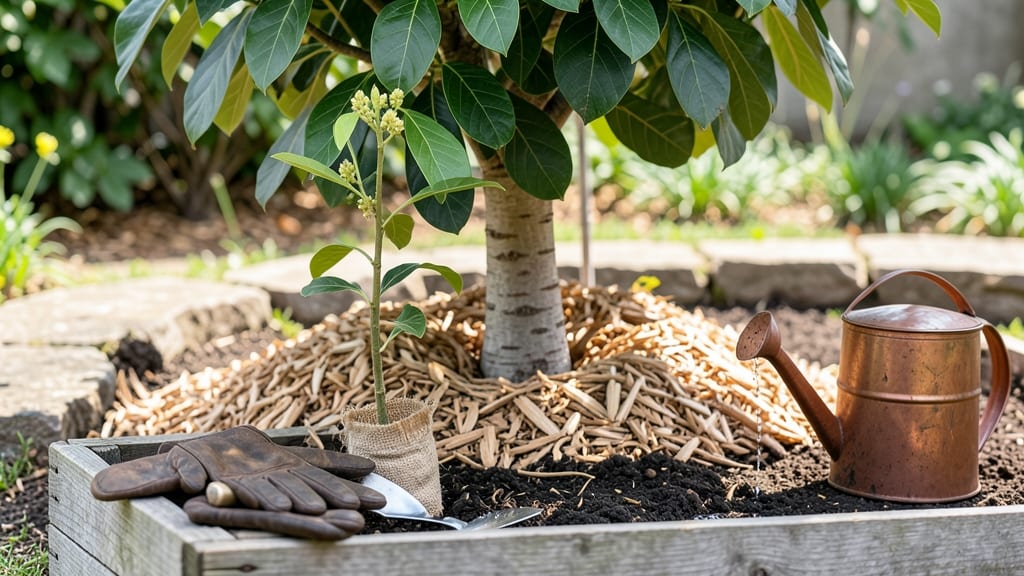
Planting an avocado tree in Florida at the right time ensures faster growth and higher yields—and the best window starts in late winter or early spring.
Florida’s frost-free climate means you can plant year-round, but timing still matters. Skip the summer heat, and you’ll avoid stressing young roots. Instead, aim for February through April, when soil temperatures are ideal and rainfall supports root development.
Whether you’re starting from seed or transplanting a sapling, coastal areas like Miami have slightly different microclimates than inland zones like Orlando. I’ll break down the exact months that work best for your region, plus soil prep tips to give your 🥑 tree the strongest start.
Ready to grow your own avocado orchard? You’ll learn how to time your planting for maximum success, avoid common mistakes, and keep your tree thriving in Florida’s unique climate.
Best months to plant avocado trees in Florida for optimal growth
Florida’s frost-free climate lets you plant avocado trees year-round, but timing matters for root establishment and fruit production. The ideal window is late winter to early spring (February-April), when soil temperatures hover between 65-75°F—perfect for root growth.
Fall planting (September-October) also works, but requires extra care to prevent drought stress before winter.
Avocado trees thrive in Florida’s USDA Zones 9a-11, but North Florida’s cooler microclimates (like Gainesville) benefit from spring planting, while South Florida’s heat (Miami, Key West) allows year-round planting with summer shade protection. Soil temperature is your best guide—plant when it consistently stays above 60°F.
Scientific insight: Research shows avocado roots establish 3x faster in 65-75°F soil (Journal of Horticultural Science, 2018). Florida’s sandy soils drain quickly, so deep watering after planting is critical to prevent transplant shock. Mulch heavily to retain moisture and regulate soil temperature.
Here’s how Florida’s two planting windows compare for growth speed and fruit production:
For North Florida gardeners (e.g., Orlando, Tallahassee), March-April is ideal—cooler temps reduce transplant shock, and rainfall increases in late spring. South Florida (Miami, Naples) can plant year-round, but avoid June-August due to intense heat and humidity, which stress young roots. Microclimates matter: Coastal areas stay warmer longer than inland zones.
When planting in summer months, choose early morning or late afternoon to avoid midday heat stress.
Water deeply before planting (15-20 gallons for young trees) to compensate for Florida’s sandy, drought-prone soils. Container-grown trees adapt better to heat than bare-root saplings, making them a safer bet for summer planting.
Pro tip: Use a soil thermometer to check depth (4-6 inches). If temps drop below 60°F, delay planting until conditions improve. Mulch with wood chips (3-4 inches) to maintain consistent soil temps and reduce water evaporation. This simple step can double root growth in Florida’s variable climate.
Avocado trees planted in spring often bear fruit 1-2 years earlier than fall-planted trees due to optimal growing conditions. However, fall-planted trees develop deeper root systems before winter, making them more drought-resistant in Florida’s dry seasons. Choose your window based on your region’s rainfall patterns and heat intensity.
After planting, monitor for stress signs like yellowing leaves or wilting—common in Florida’s humid summers. Prune lightly to encourage airflow, and fertilize lightly with a balanced 6-6-6 NPK to support early growth. Avoid high-nitrogen fertilizers, which can burn young roots in Florida’s heat.
Remember: Florida’s no-frost rule means you can experiment with off-season planting, but spring remains the gold standard for fastest growth and highest yields.
With the right timing and care, your avocado tree could be bearing fruit in just 3-5 years—imagine fresh Florida-grown avocados right in your backyard! 🥑
How to Prepare your Florida soil for avocado tree planting success
Avocado trees thrive in Florida’s warm climate, but their success starts with the right soil preparation. Florida’s sandy, well-draining soils are perfect for avocados, but they often lack the nutrients and organic matter needed for strong root development.
Before planting, focus on soil testing, pH adjustment, and drainage improvements to create an ideal growing environment.
Avocados prefer a slightly acidic to neutral pH (6.0-7.0). Florida’s native soils often test higher, so you’ll likely need to lower the pH with sulfur or peat moss. For container planting, use a high-quality potting mix blended with perlite to improve aeration.
Whether planting in-ground or in containers, proper soil prep ensures your avocado tree gets the nutrients it needs to establish quickly.
🌱 Key Steps for Florida Soil Prep:
- 🔍 Test Soil pH – Use a home kit or send a sample to your local extension office. Aim for 6.0-7.0.
- 🌿 Amend with Organic Matter – Mix in 3-4 inches of compost or well-rotted manure to improve fertility.
- 💧 Improve Drainage – Avoid low-lying areas where water pools. For sandy soils, add peat moss or coconut coir.
- 🪴 Choose the Right Location – Plant in full sun (6+ hours daily) with protection from strong winds.
- ✂️ Prepare the Hole – Dig a hole twice as wide as the root ball but no deeper.
For container planting, select a pot at least 18 inches wide and deep with drainage holes. Fill the bottom with a layer of gravel or broken pottery to prevent root rot.
Use a mix of potting soil, compost, and perlite (50:30:20 ratio) for optimal growth. Containers dry out faster, so monitor moisture levels closely, especially during Florida’s hot summers.
After planting, apply a 2-3 inch layer of mulch around the base (but not touching the trunk) to retain moisture and regulate soil temperature. Avoid fresh wood chips, which can tie up nitrogen.
Instead, opt for pine straw or shredded leaves for a slow-release organic boost. Replenish mulch every 3-4 months to maintain its benefits.
Florida’s sandy soils drain quickly, so deep watering is critical during the first year. Water every 5-7 days (or more during heatwaves) to encourage deep root growth. Once established, avocado trees are drought-tolerant but still need consistent moisture, especially in USDA Zones 9a-10.
Avoid overhead watering to prevent fungal diseases like root rot.
With the right soil prep, your avocado tree will establish strong roots and grow faster, setting the stage for bountiful fruit production in 3-5 years. Florida’s climate is ideal—just give your tree the nutrient-rich foundation it deserves! 🌳